Short Answer
Welcome to your ultimate guide on the Upside Down Moon—a fascinating celestial phenomenon that has captivated stargazers, photographers, and astronomers alike. In this comprehensive article, you’ll explore the science behind the upside-down crescent moon, its cultural significance, how to observe it, and where to find stunning visual representations. Whether you’re a seasoned astronomer or a curious beginner, this guide will provide clarity and insights into one of the sky’s most intriguing optical illusions.
The Science Behind the Upside Down Moon
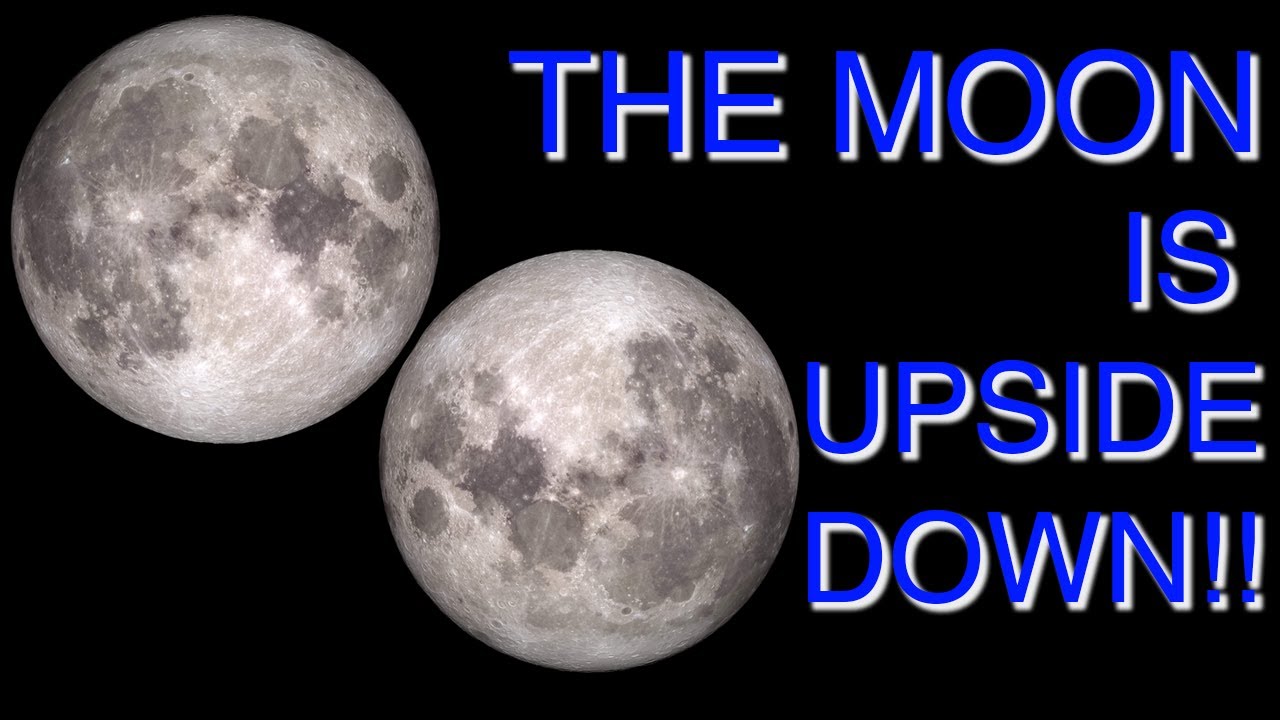
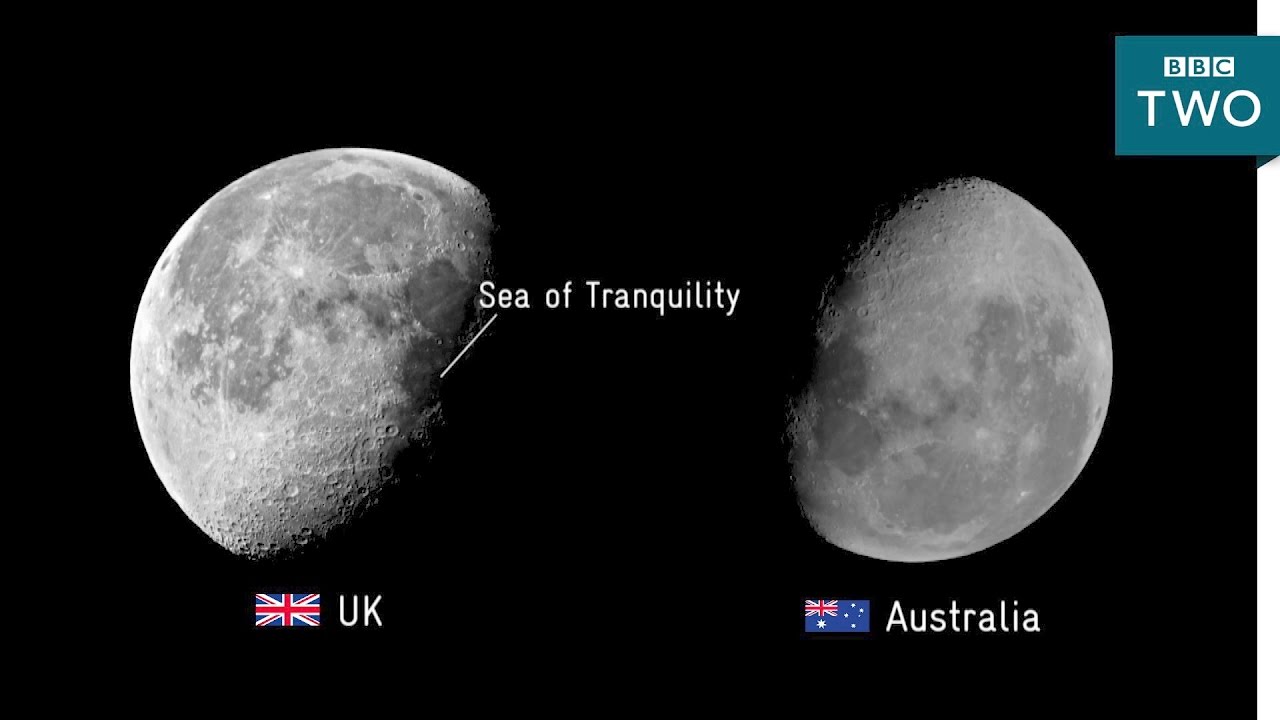
The upside-down moon, particularly the crescent phase, often appears inverted due to the observer’s location on Earth and the moon’s orbital mechanics. When viewed from the Northern Hemisphere, the crescent moon typically appears as a “C” shape, with the illuminated portion on the right. However, in the Southern Hemisphere, the same crescent moon appears as a “U” shape, or upside down, because the observer’s perspective flips the orientation.
This phenomenon occurs due to the moon’s position relative to the Earth and Sun. The illuminated part of the moon always faces the Sun, but the angle at which we view it changes based on our geographic location. For example, during a waxing crescent phase in the Northern Hemisphere, the right side of the moon is lit. In the Southern Hemisphere, the same phase would show the left side illuminated, creating the illusion of an upside-down crescent.
Cultural and Symbolic Interpretations
The upside-down crescent moon holds diverse meanings across cultures, religions, and mythologies. In many Islamic traditions, the crescent moon is a symbol of faith and is often depicted in its standard orientation. However, when inverted, it can carry alternative interpretations, such as a sign of change or a reversal of fortune. Some cultures associate the upside-down crescent with lunar deities or omens, while others view it as a natural occurrence without symbolic weight.
In modern times, the upside-down crescent has been adopted as a symbol in various contexts, including art, fashion, and social movements. Its striking visual contrast makes it a popular motif for designers and creators seeking to evoke mystery or rebellion. Understanding these cultural layers adds depth to the observation of this celestial event.

How to Observe the Upside Down Moon
Observing the upside-down moon requires an understanding of lunar phases and your geographic location. The best time to see an inverted crescent is during the early morning or late evening, depending on the moon’s phase. In the Southern Hemisphere, the crescent moon will naturally appear upside down, while in the Northern Hemisphere, it may require specific timing or atmospheric conditions to observe this effect.
To enhance your viewing experience, use a telescope or binoculars to observe the moon’s craters and surface details. Clear skies and minimal light pollution are ideal for optimal visibility. Additionally, tracking lunar phases through astronomical apps or websites can help you predict when the upside-down crescent will be most visible.
Photographing the Upside Down Crescent Moon
Capturing the upside-down crescent moon in a photograph can be a rewarding challenge. Start by using a DSLR camera with a telephoto lens to get a close-up shot of the moon’s details. A tripod is essential to avoid blurry images, especially during long exposures. Adjust your camera settings to a low ISO (100-400) to reduce noise and a fast shutter speed to freeze the moon’s motion.
For creative compositions, include foreground elements like trees, buildings, or landscapes to add depth to your photos. Experiment with different angles and lighting conditions to highlight the moon’s unique orientation. Post-processing tools like Adobe Lightroom can enhance contrast and sharpness, making your images stand out.
If you’re new to astrophotography, practice photographing the moon during different phases to build your skills. The upside-down crescent offers a fresh perspective that can inspire unique and artistic shots.
Common Misconceptions and FAQs
One of the most common misconceptions about the upside-down moon is that it signifies an astronomical anomaly or a supernatural event. In reality, the inverted crescent is a natural result of the observer’s location and the moon’s phase. Another myth is that the upside-down crescent is rare, when in fact, it occurs regularly depending on where you are on Earth.
Frequently Asked Questions:
- Why does the moon appear upside down in some parts of the world? The moon’s orientation changes based on the observer’s latitude. In the Southern Hemisphere, the crescent moon appears inverted compared to the Northern Hemisphere.
- Can the upside-down crescent moon be seen from the equator? Yes, near the equator, the moon’s orientation can appear sideways or slightly inverted, depending on the time of year and the moon’s phase.
- Is there a specific time of year when the upside-down crescent is more visible? The visibility of the upside-down crescent depends on the moon’s phase and your location, not the time of year. However, certain seasons may offer clearer skies for observation.
Conclusion
The upside-down moon is more than just a visual curiosity—it’s a blend of science, culture, and art. By understanding the mechanics behind its orientation, you can appreciate this phenomenon on a deeper level. Whether you’re observing it with the naked eye, capturing it through a lens, or exploring its symbolic meanings, the upside-down crescent moon offers endless opportunities for discovery.
Next time you gaze at the night sky, take a moment to consider the perspective that shapes our view of the moon. The upside-down crescent is a reminder that even the most familiar celestial bodies hold surprises when viewed from a new angle.
FAQ
Why does the moon appear upside down in some parts of the world?
The moon’s orientation changes based on the observer’s latitude.
Can the upside-down crescent moon be seen from the equator?
Yes, near the equator, the moon’s orientation can appear sideways or slightly inverted.
Is there a specific time of year when the upside-down crescent is more visible?
The visibility depends on the moon’s phase and your location, not the time of year.
Leave a Reply