Short Answer
In this comprehensive guide, you’ll explore the often-misunderstood world of reversed tarot cards. Many readers hesitate when encountering an upside-down card, assuming it signals negativity or bad luck. However, reversed tarot cards aren’t inherently bad—they simply offer a different perspective, revealing hidden layers of meaning that upright cards may not convey. You’ll learn how to interpret these cards with confidence, understand their symbolic depth, and even appreciate their unique insights into your readings. By the end, you’ll see reversed cards not as obstacles, but as powerful tools for deeper self-reflection and guidance.
Why Reversed Tarot Cards Aren’t Bad: A Shift in Perspective
Reversed tarot cards often spark concern because traditional interpretations associate them with challenges or blockages. However, this view oversimplifies their purpose. Reversals don’t necessarily indicate failure or misfortune; instead, they highlight internal or subconscious influences that may not be immediately visible in an upright position. For example, a reversed card might reveal suppressed emotions, untapped potential, or areas where you’re resisting change. By reframing your mindset, you can approach reversed cards as opportunities for growth rather than omens of doom.
The key lies in understanding that tarot is a tool for reflection, not prediction. Reversals encourage you to look beneath the surface, asking questions like: What am I not acknowledging? or Where am I holding myself back? This shift in perspective transforms a seemingly negative card into a catalyst for self-awareness and empowerment.
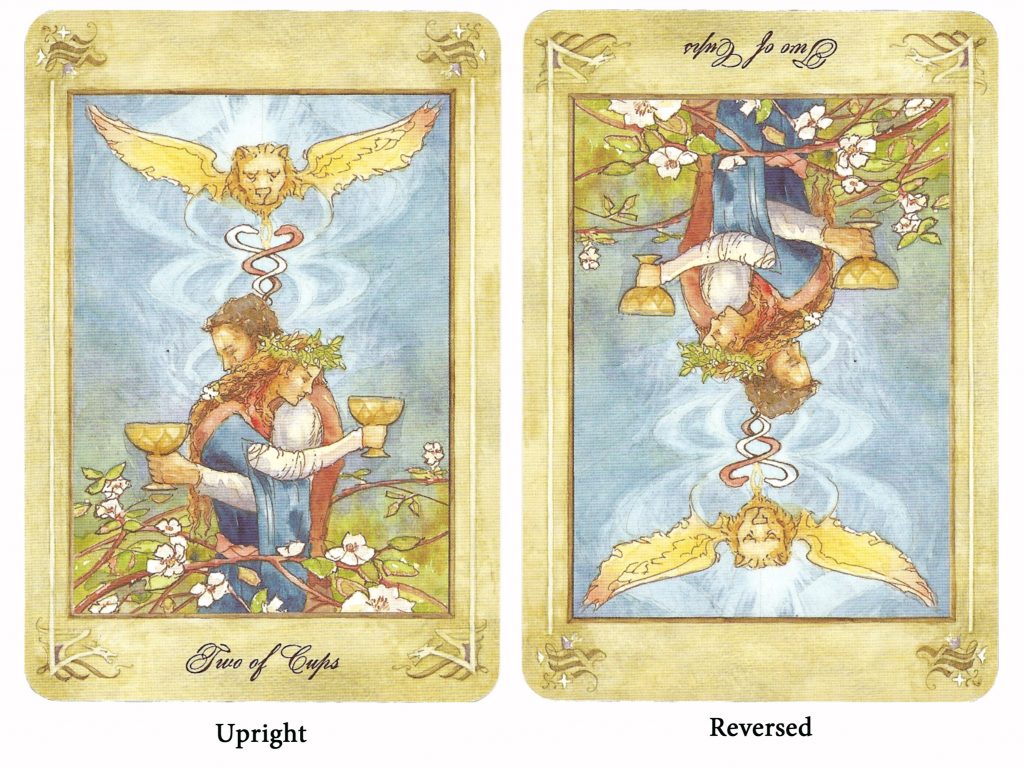
Common Misconceptions About Reversed Tarot Cards
One of the biggest myths about reversed tarot cards is that they always signify bad outcomes. While some interpretations may lean toward challenges, this isn’t a universal rule. For instance, the reversed Three of Cups might suggest isolation or unmet social needs, but it could also indicate a need to set boundaries in relationships. Similarly, the reversed Ten of Pentacles might warn against financial instability, but it could also highlight a focus on materialism over emotional fulfillment.
Another misconception is that reversed cards are less important than upright ones. In reality, reversed cards often carry more nuanced messages that require deeper reflection. They might reveal subconscious patterns, unresolved issues, or areas where you’re out of alignment with your true self. Ignoring these messages can lead to missed opportunities for growth.
It’s also worth noting that some tarot readers choose to avoid reversals altogether, opting for a “no-reversal” approach. While this method simplifies readings, it may also overlook valuable insights. Reversals add depth to your interpretations, making them a worthwhile practice for those willing to explore their complexities.
How to Interpret Reversed Tarot Cards Effectively
Interpreting reversed tarot cards begins with understanding their core themes. Unlike upright cards, which often present straightforward meanings, reversed cards require you to consider the opposite or internalized aspects of the card’s energy. Here’s a step-by-step approach to help you decode their messages:
- Assess the Card’s Traditional Meaning: Start by reviewing the upright meaning of the card. For example, the Chariot upright represents determination and control, while reversed, it might indicate a lack of direction or inner conflict.
- Look for Blocked or Delayed Energy: Reversals often highlight areas where energy is stagnant or blocked. Ask yourself: What is preventing this energy from flowing freely?
- Consider the Card’s Shadow Side: Every card has a shadow aspect—reversals bring these hidden traits to light. For instance, the reversed Emperor might reveal a struggle with authority or an over-reliance on control.
- Use Intuition and Context: Reversed cards are highly subjective. Trust your intuition and consider the surrounding cards in the spread. A reversed card in a career reading may have a different meaning than in a love reading.
- Reframe the Message: Instead of viewing a reversed card as negative, ask: What is this card trying to teach me? For example, the reversed Lovers might not signal a failed relationship but rather a need for self-love or independence.
Practice is essential when working with reversals. The more you engage with them, the more intuitive your interpretations will become. Over time, you’ll develop a personal relationship with reversed cards, allowing you to uncover their unique wisdom.
The Psychological and Symbolic Depth of Reversed Cards
Reversed tarot cards tap into the realm of the subconscious, making them a powerful tool for psychological exploration. Carl Jung’s theories on shadow work align closely with reversed tarot interpretations. Just as the shadow self contains repressed traits, reversed cards bring to light aspects of ourselves we may ignore or deny. For example, the reversed Hermit might reveal a fear of solitude or a reluctance to seek inner wisdom.
Symbolically, reversals can represent:
- Internal Conflict: A reversed card may highlight a struggle between two opposing forces within you, such as logic vs. emotion or duty vs. desire.
- Unconscious Patterns: These cards often point to habits or behaviors you’re not fully aware of, such as avoidance or self-sabotage.
- Delayed Growth: Reversals can indicate areas where progress is slow or where you’re resisting necessary change.
- Hidden Opportunities: Sometimes, a reversed card signals a hidden opportunity that requires you to look deeper. For instance, the reversed Ace of Wands might suggest untapped creativity waiting to be explored.
By embracing the symbolic language of reversals, you gain a richer understanding of your tarot readings and, by extension, yourself. These cards act as mirrors, reflecting not just external circumstances but your inner landscape as well.
Practical Tips for Working with Reversed Tarot Cards
If you’re new to reversals, start with these practical tips to build confidence in your interpretations:
- Use a Single-Card Draw: Begin with simple one-card readings to familiarize yourself with reversed meanings. This helps you focus on the card’s core message without overcomplicating the spread.
- Journal Your Interpretations: Keep a tarot journal to track reversed cards you encounter. Note the card, its upright meaning, your initial interpretation of the reversal, and any insights that arise. Over time, you’ll notice patterns in your readings.
- Experiment with Different Spreads: Try using reversed cards in simple spreads like the three-card layout (past, present, future) or the Celtic Cross. Observe how the reversed cards influence the narrative of the reading.
- Ask Open-Ended Questions: When pulling a reversed card, ask questions that encourage deeper reflection, such as: What part of myself am I not seeing? or Where am I resisting change?
- Combine Intuition with Guidebooks: While guidebooks provide a foundation, trust your gut feeling when interpreting reversals. Your intuition often picks up on nuances that traditional meanings might miss.
- Practice Self-Reflection: Use reversed cards as prompts for meditation or journaling. For example, if you draw the reversed Seven of Swords, reflect on areas where you might be acting dishonestly toward yourself or others.
Reversed Cards in Different Tarot Decks and Traditions
The interpretation of reversed tarot cards can vary depending on the deck and tradition you’re using. Some decks, like the Rider-Waite-Smith, have established reversed meanings, while others, such as the Thoth Tarot, may not use reversals at all. Here’s how different approaches handle reversed cards:
- Traditional Rider-Waite-Smith: This deck often includes reversed meanings in guidebooks, emphasizing blocked energy or internalized traits. For example, the reversed Page of Cups might indicate emotional immaturity or unexpressed feelings.
- Modern Intuitive Decks: Many contemporary decks, like the Light Seer’s Tarot, encourage intuitive interpretations of reversals without strict guidebook meanings. This approach allows for more personalized readings.
- No-Reversal Decks: Some decks, such as the Marseille Tarot, traditionally don’t use reversals. Instead, they rely on card positions and surrounding cards to convey nuanced meanings.
- Oracle Decks: Oracle decks often don’t have reversed meanings, but some readers assign them intuitive interpretations based on the card’s imagery and their own insights.
It’s essential to choose a method that resonates with you. If you prefer structure, stick to guidebook interpretations. If you lean toward intuition, let your inner wisdom guide your readings. The beauty of tarot is its flexibility—there’s no one-size-fits-all approach.
Conclusion
Reversed tarot cards are far from ominous; they are gateways to deeper self-awareness and transformative insights. By shifting your perspective, you can see these cards not as warnings, but as invitations to explore the hidden layers of your psyche. Whether you’re a seasoned reader or just beginning your tarot journey, embracing reversals will enrich your practice and deepen your connection to the cards.
Remember, the tarot is a mirror—it reflects back to you what you need to see, not what you fear. Reversed cards challenge you to look closer, question deeper, and grow wiser. So the next time you draw an upside-down card, take a breath and ask: What is this card trying to show me? The answer may surprise you.
Leave a Reply