Short Answer
Welcome to an exploration of Valor, Valour, and the enigmatic Valour Thoth. In this guide, you will uncover the rich symbolism, cultural significance, and unique allure that define these concepts. Whether you’re drawn to the heroic connotations of valor, the refined elegance of valour, or the mystical depths of the Valour Thoth, this journey will illuminate their interconnected narratives and timeless appeal. Prepare to delve into a world where strength, wisdom, and mystery converge.
The Essence of Valor: Courage in Action
Valor is more than a word—it is a force, a virtue, and a call to action. Rooted in the Latin *valere*, meaning “to be strong,” valor embodies the spirit of bravery in the face of adversity. It is the knight’s charge, the soldier’s resolve, and the everyday hero’s quiet determination. Unlike mere courage, which may arise from instinct, valor is a chosen response—a deliberate act of defiance against fear.
In literature and mythology, valor is often personified as a guiding light. Consider the chivalric tales of King Arthur, where valor is the cornerstone of the Round Table’s code. It is not the absence of fear but the mastery over it, a theme echoed in modern narratives like Game of Thrones, where characters like Jon Snow and Brienne of Tarth exemplify valor as both a shield and a sword. Valor is the spark that turns potential into prowess, transforming ordinary individuals into legends.
Valour: The Refined Art of Excellence
If valor is the act of bravery, then valour—with its French elegance—represents the artistry of excellence. Derived from the same Latin root but refined through centuries of linguistic evolution, valour transcends mere heroism to embrace grace under pressure. It is the poetry of courage, where strength is tempered with refinement and power is wielded with precision.
In historical contexts, valour was not just a martial virtue but a social one. The courtly love traditions of medieval Europe elevated valour to a near-spiritual ideal, where knights demonstrated their worth not only in battle but in their devotion, loyalty, and artistic expression. Today, valour can be seen in the disciplined elegance of a martial artist’s form, the strategic brilliance of a chess grandmaster, or the unwavering dedication of an artist perfecting their craft. It is the harmony between might and manners, force and finesse.
The Mystique of Valour Thoth: Wisdom and the Occult
Enter the realm of Valour Thoth, where ancient esoteric wisdom meets modern mysticism. Thoth, the Egyptian god of wisdom, writing, and magic, is often associated with the Tarot and the Hermetic tradition. When paired with “valour,” this archetype becomes a beacon of enlightenment—a fusion of intellectual prowess and spiritual fortitude. The Valour Thoth is not merely a symbol; it is a living entity, a guide for those who seek to master both the seen and unseen worlds.
The Valour Thoth in Tarot often represents the path of the Magician, where skill, willpower, and knowledge converge. Unlike the traditional Magician card, which focuses on manifestation, the Valour Thoth emphasizes the journey—the trials, the lessons, and the transformation required to wield true power. It is the alchemist’s crucible, where base instincts are refined into golden wisdom. In occult circles, invoking the Valour Thoth is akin to calling upon the higher self, a ritual of self-mastery that bridges the mundane and the divine.

Symbolism and Synergy: How They Interconnect
The interplay between Valor, Valour, and Valour Thoth creates a triptych of power—a narrative where physical courage, refined excellence, and esoteric wisdom dance in harmony. Valor is the sword, Valour is the sheath that protects it, and the Valour Thoth is the map guiding the wielder. Together, they form a holistic philosophy of mastery, where one does not exist without the others.
Consider the archetype of the knight-errant, a figure who embodies all three: they fight with valor, conduct themselves with valour, and seek wisdom through the Valour Thoth’s teachings. This synergy is evident in modern storytelling, from the Jedi of Star Wars (who blend courage, discipline, and mystical insight) to the protagonists of Final Fantasy games, where characters like Cloud Strife and Tidus evolve through trials that test their valor, refine their valour, and deepen their connection to the arcane.
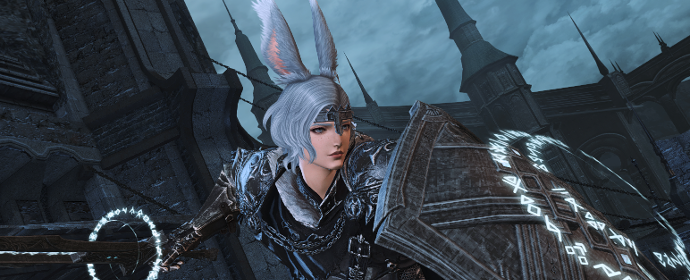
In art and fashion, this triad is often visualized through regal imagery—armor adorned with mystical sigils, robes embroidered with emblems of strength, and accessories that blend martial and magical aesthetics. The result is a visual language that speaks to the soul’s yearning for both power and purpose.
Cultural and Modern Manifestations
The concepts of Valor, Valour, and Valour Thoth have permeated global culture, adapting to each era while retaining their core essence. In Japanese culture, the samurai code of *bushido* embodies valor through loyalty and honor, while the refined aesthetics of *ikebana* and *tea ceremony* reflect valour’s elegance. Meanwhile, the Valour Thoth finds echoes in the *Shinto* tradition, where kami (spirits) are invoked for wisdom and protection, much like the Egyptian Thoth.
In the West, these ideas have evolved into modern archetypes. The superhero genre, for instance, often portrays characters who balance physical prowess (valor) with moral integrity (valour) and a deeper understanding of their role in the world (Valour Thoth). Characters like Batman or Wonder Woman are not just fighters; they are guardians of a code, much like the knights of old. Even in sports, athletes who demonstrate both skill and sportsmanship—like tennis player Roger Federer or gymnast Simone Biles—embody the spirit of valour in their respective fields.
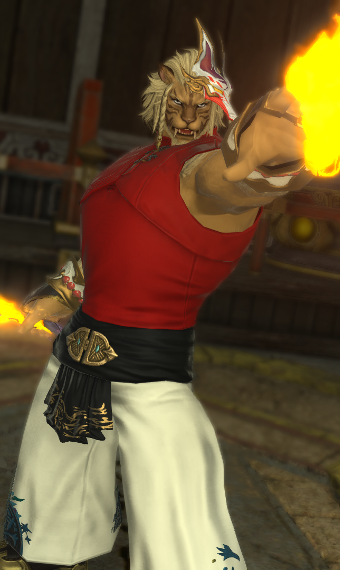
Fashion and gaming industries have also embraced these themes. High-fashion brands like Alexander McQueen or Rick Owens often draw from warrior aesthetics, blending armor-like structures with fluid, elegant lines. Video games, particularly RPGs, frequently feature protagonists on quests that test their valor, refine their valour, and connect them to mystical forces—think of *The Witcher*’s Geralt or *Elden Ring*’s Tarnished, who must prove themselves in body, mind, and spirit.
Conclusion: The Timeless Allure of Valor, Valour, and Valour Thoth
The stories of Valor, Valour, and Valour Thoth are not relics of the past—they are living myths, constantly rewritten in the fabric of human experience. Valor reminds us that strength is not just physical but a choice we make daily. Valour teaches us that excellence is not merely achieved but cultivated with grace and intention. The Valour Thoth beckons us to look beyond the surface, to seek wisdom in the shadows, and to wield our power with purpose.
Whether you find inspiration in the battlefield, the studio, or the sacred scrolls of antiquity, these concepts offer a blueprint for mastery. They challenge us to be more than we are, to refine our edges, and to embrace the mystery within and around us. In a world that often prioritizes speed over substance, Valor, Valour, and Valour Thoth stand as timeless beacons—guiding lights for those who dare to seek greatness in every facet of life.
So, the next time you face a challenge, ask yourself: Are you acting with valor? Are you conducting yourself with valour? And are you seeking the wisdom of the Valour Thoth to illuminate your path? The answers may just redefine what it means to live with courage, elegance, and depth.
FAQ
What is the difference between valor and valour?
Valor refers to bravery in action, while valour embodies a refined excellence and grace under pressure.
How does Valour Thoth relate to Tarot?
Valour Thoth represents a fusion of wisdom and power within the Tarot, guiding individuals on their path to mastery.
Leave a Reply