Short Answer
In this guide, you will explore the Venus Fly Trap’s symbolic connection to the “Five of Swords” energy—a tarot card often associated with conflict, rivalry, and strategic victory. You’ll uncover how this carnivorous plant mirrors the card’s themes through its predatory nature, its role in ecosystems, and the deeper psychological and spiritual lessons it offers. By the end, you’ll understand why the Venus Fly Trap fascinates us so deeply and what it reveals about human nature, competition, and the balance between aggression and survival.
The Venus Fly Trap: A Symbol of Strategic Predation
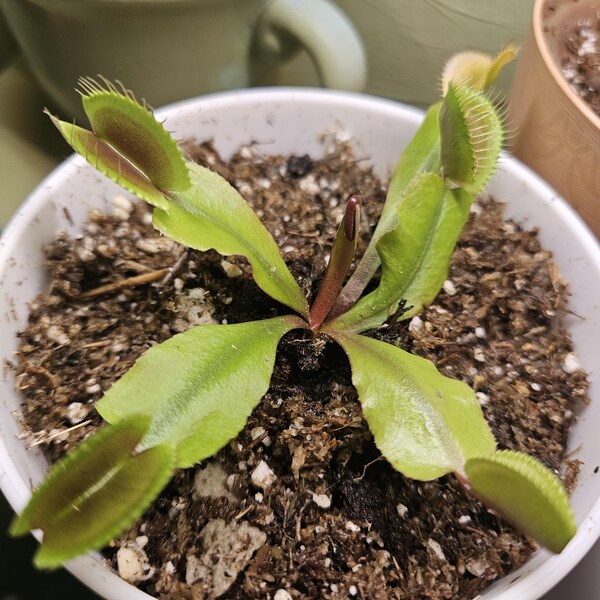
The Venus Fly Trap (Dionaea muscipula) is one of nature’s most efficient predators, thriving in nutrient-poor environments by luring, trapping, and digesting insects. Its rapid snapping mechanism—triggered by tiny hairs on its lobes—exemplifies precision and strategy, much like the “Five of Swords” card, where victory is achieved through cunning rather than brute force. This plant doesn’t chase its prey; it waits patiently, exploiting the weaknesses of others to secure its survival. Such behavior resonates with the card’s energy, where triumph often comes from outsmarting opponents rather than engaging in direct confrontation.
The Venus Fly Trap’s hunting method also highlights a paradox: it is both a victim and a victor. In its natural habitat, the bogs of North and South Carolina, it competes with other plants for sunlight and nutrients while avoiding being eaten by herbivores. This duality mirrors the “Five of Swords” energy, where success is temporary and often comes at a cost—whether to oneself or others. The plant’s existence is a reminder that even in nature, survival is a delicate balance of power and vulnerability.
The Five of Swords Energy: Conflict and Its Aftermath
The “Five of Swords” tarot card depicts a figure holding three swords, with two discarded on the ground, while two others stand defeated behind him. The card’s imagery suggests a Pyrrhic victory—one where the cost of winning is higher than the reward. This energy is mirrored in the Venus Fly Trap’s existence: while it successfully captures prey, the process requires significant energy and resources. The plant’s traps can only close a few times before they die, illustrating that even victory has limits.
This theme extends to human behavior, where the “Five of Swords” energy often manifests in competitive environments—workplaces, relationships, or even personal goals. The Venus Fly Trap serves as a natural metaphor for the idea that winning isn’t always about dominance but about recognizing when to engage and when to conserve energy. Its existence challenges us to ask: Are we trapping others in our pursuit of success, or are we falling into the same traps ourselves?
Why the Venus Fly Trap Fascinates Us: A Deeper Look
One of the most intriguing aspects of the Venus Fly Trap is its dual role as both predator and prey. While it hunts insects, it is also preyed upon by larger animals and faces threats from habitat destruction. This duality taps into a universal fascination with the macabre and the paradoxical. Humans are drawn to creatures that embody contradiction—beautiful yet deadly, fragile yet resilient. The Venus Fly Trap’s carnivorous nature challenges our perception of plants as passive organisms, forcing us to reconsider the boundaries between life forms.
Psychologically, the Venus Fly Trap’s behavior resonates with the “Five of Swords” energy because it embodies the tension between aggression and survival. Its traps are not just physical mechanisms but symbols of the choices we make in conflict. Do we strike quickly and decisively, or do we wait for the perfect moment? The plant’s strategy—requiring multiple triggers before closing—mirrors the idea that some victories are not worth the effort, and persistence can be as important as force.

Cultivating the Venus Fly Trap: Lessons in Patience and Strategy
Growing a Venus Fly Trap at home offers more than just a fascinating conversation piece—it provides a tangible lesson in the “Five of Swords” energy. These plants require specific conditions to thrive: distilled water, nutrient-poor soil, and plenty of sunlight. Their care regimen teaches patience, as they grow slowly and require precise triggers to activate their traps. This mirrors the “Five of Swords” energy, where success is not about rushing but about understanding the right moment to act.
For those who cultivate Venus Fly Traps, the plant becomes a living reminder of the balance between aggression and restraint. Overfeeding or mishandling the traps can damage them, just as reckless competition in life can lead to burnout or regret. The Venus Fly Trap’s need for careful handling underscores the idea that true mastery lies in knowing when to strike and when to let go—a lesson that aligns perfectly with the “Five of Swords” energy.
Conclusion
The Venus Fly Trap’s connection to the “Five of Swords” energy is more than a poetic analogy—it’s a reflection of nature’s intricate balance between power and vulnerability. Through its predatory behavior, dual role as predator and prey, and the lessons it offers in patience and strategy, this plant encapsulates the themes of conflict, victory, and the cost of success. Whether observed in the wild or nurtured at home, the Venus Fly Trap challenges us to reconsider our own approaches to competition and survival. It reminds us that while strategy and cunning can lead to triumph, the most sustainable victories are those that do not come at the expense of others—or ourselves.
FAQ
What does the Venus Fly Trap symbolize in relation to the Five of Swords?
It symbolizes the balance between aggression and survival, reflecting the themes of conflict and strategic victory.
How does the Venus Fly Trap hunt?
It lures, traps, and digests insects using a rapid snapping mechanism, showcasing precision and strategy.
Why is the Venus Fly Trap considered both predator and prey?
While it captures insects for nutrients, it is also threatened by larger animals and habitat destruction.
Leave a Reply