Short Answer
Welcome to your comprehensive guide to Viking Tarot – Norse Energy. In this article, you will explore the deep connections between Norse mythology and tarot, uncovering the symbolic meanings, historical context, and practical uses of these powerful divination tools. Whether you are a seasoned tarot reader or a curious beginner, this guide will provide valuable insights into Viking-inspired tarot decks, their imagery, and how to interpret their messages. By the end, you will have a thorough understanding of how Norse energy infuses tarot readings and how to harness it for personal growth and spiritual exploration.
Understanding Viking Tarot: A Fusion of Myth and Divination
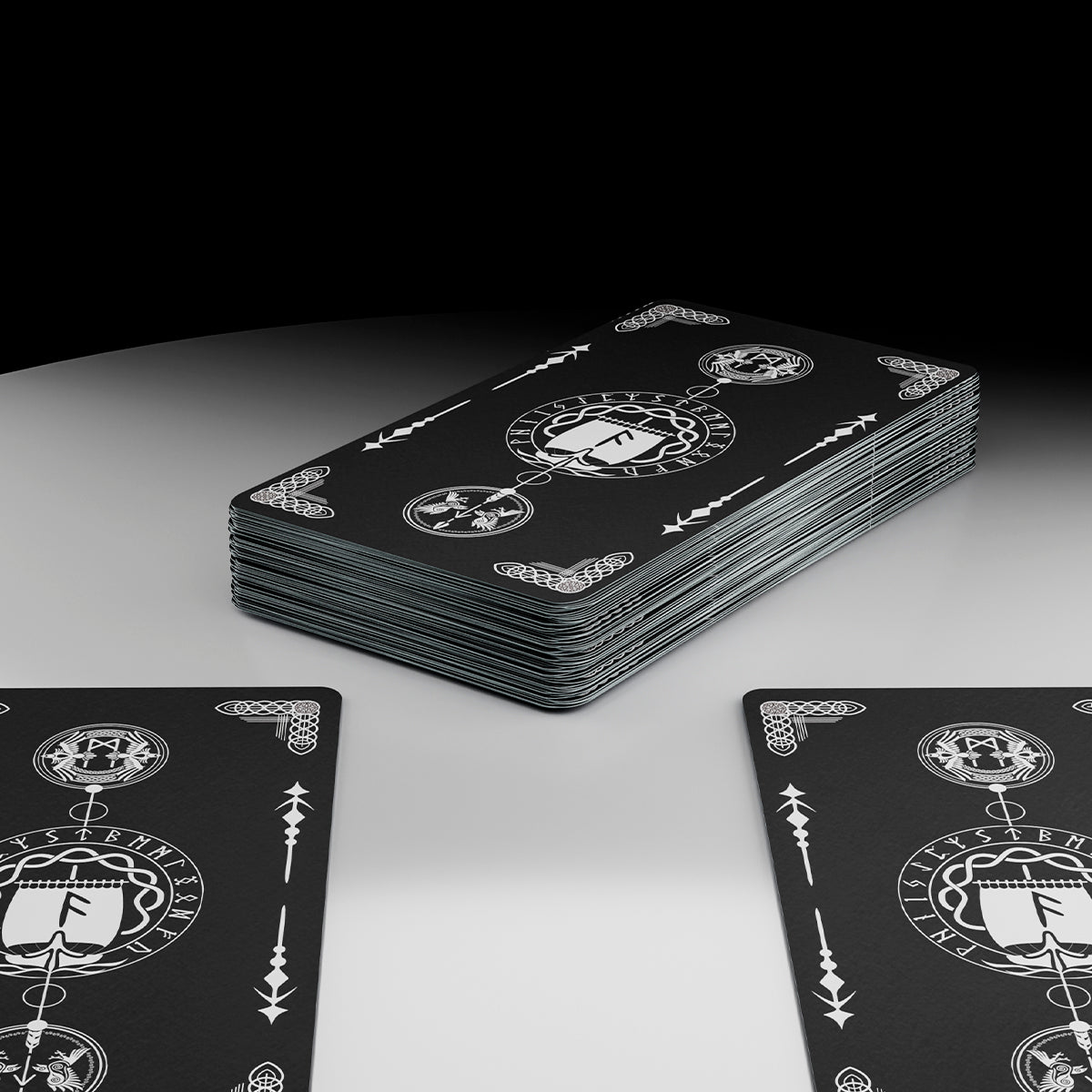
Viking Tarot, often referred to as Norse Tarot, blends the ancient wisdom of Norse mythology with the modern practice of tarot reading. These decks typically feature 78 cards, mirroring the traditional tarot structure of Major and Minor Arcana, but with imagery drawn from Viking sagas, gods, runes, and cosmic symbols. The Major Arcana often includes figures like Odin, Thor, Freyja, and Loki, each representing archetypal energies and life lessons. The Minor Arcana may incorporate runes, Viking tools, or natural elements like storms, wolves, and the Northern Lights, reflecting the Norse reverence for nature and the divine.

The fusion of Norse mythology and tarot creates a unique lens for divination. Unlike traditional tarot decks, Viking Tarot decks emphasize themes of fate, honor, courage, and the cyclical nature of life and death. Readers can expect to encounter cards that evoke the rugged landscapes of Scandinavia, the fierce independence of Viking warriors, and the mystical guidance of the Norns, who weave the threads of destiny. This blend offers a rich tapestry of symbolism that resonates with those drawn to Norse spirituality or seeking a more primal, earthy approach to tarot.
The Major Arcana: Gods, Heroes, and Cosmic Forces
The Major Arcana in Viking Tarot decks serves as a roadmap of spiritual and personal evolution, with each card embodying a Norse deity, mythological figure, or cosmic principle. For example, The Fool might be represented by a young Viking setting sail into the unknown, symbolizing new beginnings and the courage to embrace the unknown. The Magician could be Odin, the Allfather, wielding his spear Gungnir and surrounded by runes, embodying wisdom, strategy, and the power of manifestation.
The High Priestess often aligns with Freyja, the goddess of love, fertility, and magic, seated on a throne adorned with cats or wearing her iconic necklace Brisingamen. Her card represents intuition, hidden knowledge, and the mysteries of the feminine divine. Meanwhile, Death is not a card of literal demise but a symbol of transformation and rebirth, often depicted as the wild hunt led by Odin or the cycle of seasons in the Norse worldview. Understanding these archetypes allows readers to connect deeply with the Norse pantheon and the universal themes they represent.
The Minor Arcana: Runes, Elements, and Viking Life
The Minor Arcana in Viking Tarot decks is deeply intertwined with Norse culture, often featuring runes, Viking tools, and natural elements. The four suits—typically corresponding to the elements of earth, air, fire, and water—may be represented by Viking symbols such as axes, shields, mead horns, or the World Tree Yggdrasil. Each suit carries its own energy: Earth might relate to stability and harvest, Air to communication and storms, Fire to passion and destruction, and Water to emotions and the sea.
Runes play a significant role in the Minor Arcana, with cards often incorporating their imagery and meanings. For instance, the Hagalaz rune might appear as a card representing chaos, disruption, or the inevitability of change, while Sowilo could symbolize victory, guidance, and the sun’s power. Some decks also include court cards that reflect Viking societal roles, such as the Jarl (noble leader), Karl (free man), and Thrall (servant), each embodying different aspects of character and social standing. This layer of symbolism adds depth to readings, allowing for nuanced interpretations that honor Norse traditions.
Interpreting Viking Tarot: Themes and Practical Uses
Interpreting Viking Tarot requires an understanding of Norse symbolism and the context of the cards within a reading. When a card like The Tower appears, it might not just signify sudden upheaval but could represent Ragnarök, the Norse apocalypse, where old structures crumble to make way for renewal. Similarly, The Star could be linked to the aurora borealis, symbolizing hope, inspiration, and the guiding light of the gods. Paying attention to the imagery, colors, and accompanying runes (if present) can enrich the interpretation.
Viking Tarot is particularly powerful for exploring themes of destiny, personal growth, and connection to nature. Readings might focus on questions about one’s path in life, the influence of fate (represented by the Norns), or the balance between order and chaos (embodied by the gods Odin and Loki). For those drawn to Norse spirituality, these decks can serve as a tool for meditation, ritual work, or even as a guide for understanding Viking historical narratives. Whether used for daily draws, full spreads, or deep introspective sessions, Viking Tarot offers a unique and immersive experience.
Choosing a Viking Tarot Deck: What to Look For
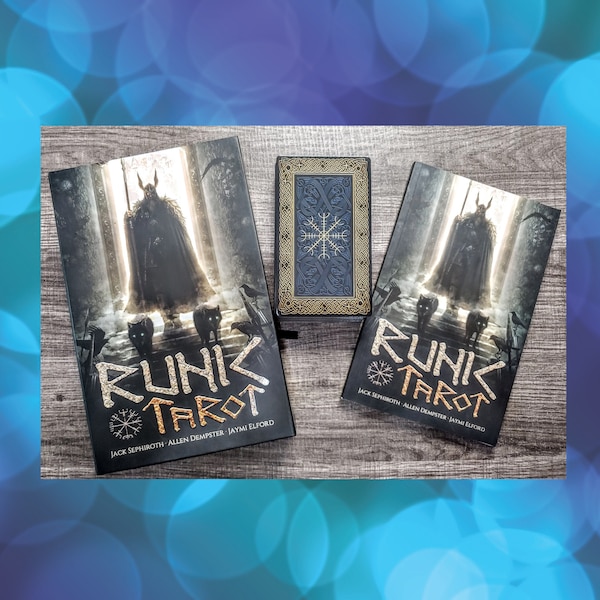
When selecting a Viking Tarot deck, consider the artwork, symbolism, and the deck’s intended focus. Some decks prioritize historical accuracy, featuring detailed illustrations of Viking artifacts, runes, and landscapes, while others take a more artistic or esoteric approach, blending Norse themes with modern design elements. Look for decks that resonate with your personal connection to Norse mythology—whether that’s through the inclusion of specific gods, runes, or mythological scenes.
Popular Viking Tarot decks often include guidebooks that explain the symbolism and provide sample spreads tailored to Norse themes. Some may even incorporate rune interpretations or offer guidance on using the deck in conjunction with traditional runic divination. If you’re new to Viking Tarot, starting with a deck that has clear, intuitive imagery and a well-written guidebook can make the learning process smoother. Additionally, consider whether the deck’s energy aligns with your intentions—some may feel more warrior-like and bold, while others might evoke a sense of mystical wisdom and ancient magic.
Incorporating Viking Tarot into Your Spiritual Practice
Viking Tarot can be a transformative addition to your spiritual toolkit, whether you use it for personal reflection, meditation, or ritual work. To deepen your connection, consider creating a sacred space that honors Norse traditions, such as lighting candles, using incense like pine or juniper, or placing Viking-inspired altar items like a small axe, a rune set, or an image of Yggdrasil. Before a reading, take a moment to ground yourself and invoke the spirits of the Norse gods or ancestors for guidance.
For those interested in Norse runic divination, you can combine Viking Tarot with rune casts to create layered readings. For example, pull a tarot card to represent the overarching theme of your question, then cast three runes to provide additional insight into the past, present, and future. Alternatively, use Viking Tarot spreads designed to explore specific Norse concepts, such as the Nine Worlds Spread (inspired by the realms of Norse cosmology) or the Odin’s Wisdom Spread (a three-card layout focusing on past influences, present challenges, and future guidance).
Journaling your readings can also enhance your understanding of Viking Tarot. Record the cards you draw, your interpretations, and any synchronicities or messages that stand out. Over time, you may notice patterns or recurring themes that offer deeper insights into your spiritual journey. Whether you’re seeking clarity on a personal dilemma, exploring your connection to Norse heritage, or simply drawn to the raw, primal energy of these decks, Viking Tarot can serve as a powerful ally.
Conclusion
Viking Tarot – Norse Energy offers a captivating fusion of ancient mythology and modern divination, inviting readers to explore the depths of Norse wisdom through the lens of tarot. From the archetypal gods of the Major Arcana to the elemental and runic symbolism of the Minor Arcana, these decks provide a rich and immersive experience for both seasoned tarot enthusiasts and those new to the practice. By understanding the cultural and spiritual context behind Viking Tarot, you can unlock deeper layers of meaning in your readings and connect more profoundly with the themes of fate, courage, transformation, and cosmic balance.
Whether you use Viking Tarot for daily guidance, spiritual growth, or creative inspiration, its unique blend of Norse mythology and tarot symbolism offers endless possibilities for exploration. As you delve into the world of Viking Tarot, allow the energy of the gods, the wisdom of the runes, and the spirit of the Vikings to guide your journey. Embrace the raw, untamed power of these decks, and let them illuminate your path with the ancient magic of the North.
FAQ
What is Viking Tarot?
Viking Tarot is a blend of Norse mythology and traditional tarot, featuring decks that incorporate Viking imagery, runes, and themes of fate and personal growth.
How do I choose a Viking Tarot deck?
When selecting a Viking Tarot deck, consider the artwork, symbolism, and how well it resonates with your personal connection to Norse mythology.
Can I use Viking Tarot for spiritual practices?
Yes, Viking Tarot can be used for meditation, ritual work, and personal reflection, enhancing your spiritual journey.
Leave a Reply