Short Answer
Welcome to your playful and insightful journey through the mystical world of Vision Tarot and VL Tarot! In this guide, you’ll uncover the origins, symbolism, and unique features of these decks, along with creative ways to use them for self-discovery and divination. Whether you’re a seasoned tarot reader or a curious beginner, prepare to explore poses that invite deeper reflection and challenges that spark your intuition. By the end, you’ll have a richer understanding of these decks and the confidence to weave their magic into your readings.
The Essence of Vision Tarot: A Gateway to Intuition
Vision Tarot is a modern deck designed to blend traditional tarot symbolism with contemporary artistry. Its imagery often features vivid colors, surreal landscapes, and archetypal figures that resonate with the subconscious mind. Unlike classic decks, Vision Tarot leans into abstract and dreamlike visuals, making it ideal for readers who seek a more intuitive and fluid interpretation of the cards.
The deck typically includes 78 cards, divided into the Major Arcana and Minor Arcana, just like traditional tarot. However, its unique illustrations—ranging from cosmic landscapes to ethereal beings—invite you to explore beyond literal meanings. For example, the Fool card might depict a figure suspended in mid-air, symbolizing boundless potential, while the Tower could show a structure crumbling into a kaleidoscope of colors, representing sudden transformation.
To deepen your connection with Vision Tarot, try this playful exercise: Pose a question to the deck before drawing a card. For instance, ask, “What energy should I embrace today?” and observe how the card’s imagery speaks to you. The abstract nature of this deck encourages personal interpretation, so trust your gut reactions!

VL Tarot: The Art of Visual Language
VL Tarot, often associated with the Vermilion Collection, is another modern deck that emphasizes visual storytelling. Its cards are rich in symbolism, with each illustration serving as a narrative unto itself. The deck’s aesthetic often blends vintage and contemporary styles, creating a timeless yet fresh feel. VL Tarot is particularly appealing to those who appreciate art history and symbolic depth, as its cards often reference classical paintings or mythological themes.
A standout feature of VL Tarot is its use of color and composition to convey emotions and themes. For example, the Empress card might depict a nurturing figure surrounded by lush, golden foliage, while the Five of Cups could show a melancholic figure gazing at spilled wine, with three intact cups in the background—a reminder to acknowledge what remains despite loss. This deck excels in helping readers tap into the emotional undercurrents of a reading.
To challenge your intuition with VL Tarot, try this: Draw three cards and create a story from their imagery. For instance, if you pull The Magician, Three of Swords, and The Star, craft a narrative about overcoming heartache through manifestation and hope. This exercise sharpens your ability to see connections between cards and deepens your storytelling skills in readings.

Comparing Vision Tarot and VL Tarot: Which Deck Calls to You?
While both decks share a modern, artistic approach, they cater to different sensibilities. Vision Tarot leans into abstract and surreal imagery, making it perfect for readers who enjoy fluid, open-ended interpretations. Its dreamlike quality encourages you to explore your subconscious and trust your instincts. On the other hand, VL Tarot’s classical and symbolic style appeals to those who appreciate historical references and structured narratives. Its cards often feel like miniature paintings, inviting you to dissect their details for deeper meaning.
Consider your reading style when choosing between them. If you thrive in chaotic or intuitive readings, Vision Tarot might be your ally. If you prefer a more structured approach with rich symbolism, VL Tarot could be your go-to. Alternatively, many readers enjoy using both decks in tandem—perhaps pulling a Vision Tarot card for insight and a VL Tarot card for emotional depth.
Here’s a playful challenge: Pull one card from each deck and compare their messages. Do they complement each other, or do they offer contrasting perspectives? This exercise highlights the unique voices of each deck and helps you decide which resonates more with your current question or situation.
Creative Ways to Use Vision Tarot and VL Tarot
These decks are versatile tools for divination, meditation, and creative expression. Here are some innovative ways to incorporate them into your practice:
- Tarot Journaling: Use the cards as writing prompts. Draw a card and journal about a personal experience that aligns with its energy. For example, if you draw The Hermit, reflect on a time you sought solitude for clarity.
- Meditation Focus: Place a card on your altar or in your sacred space and meditate on its imagery. Allow the symbols to guide your thoughts and emotions during your practice.
- Artistic Inspiration: Use the cards as inspiration for your own artwork or creative projects. The surreal or symbolic imagery can spark new ideas in writing, painting, or even crafting.
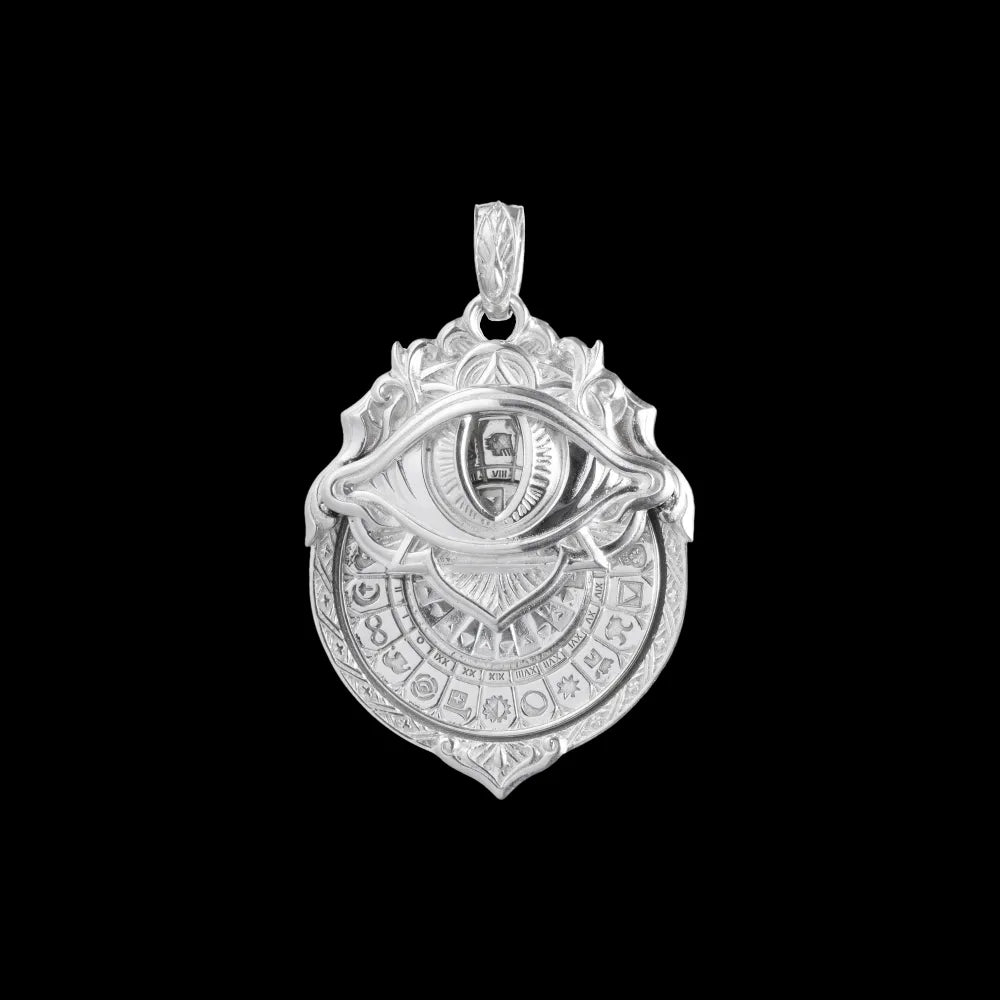
- Interactive Readings: For a playful twist, use the Vision Tarot pendant (from the COPPERTIST.WU collection) as a focus object during readings. Hold it while asking a question, then draw a card to reveal the answer.
Another challenge: Create a “Tarot Oracle” from your favorite cards. Select 10-15 cards that resonate with you and assign them personal meanings. For instance, if you frequently draw The Moon, you might interpret it as a sign to trust your intuition in uncertain times. This personalized approach makes your readings even more meaningful.
Common Pitfalls and How to Avoid Them
Even with modern decks like Vision Tarot and VL Tarot, it’s easy to fall into common traps. One pitfall is over-reliance on the artwork without considering traditional meanings. While these decks encourage intuitive leaps, it’s helpful to have a foundational understanding of tarot symbolism to ground your interpretations. For example, knowing that The Chariot represents determination can add depth to your reading, even if the card’s imagery feels abstract.
Another challenge is forcing a narrative onto the cards. It’s tempting to create a story that fits your expectations, but tarot is about uncovering what’s already within you. Instead of bending the cards to your will, let them guide you. Ask open-ended questions like, “What do I need to know about my current path?” rather than seeking a specific answer.
To avoid these pitfalls, try this: Draw a card and write down the first three words that come to mind. Then, compare them to the traditional meaning of the card. This exercise bridges intuition and tradition, helping you develop a balanced approach to reading.
Conclusion: Embrace the Magic of Vision and VL Tarot
Vision Tarot and VL Tarot are more than just decks—they’re gateways to deeper self-awareness and creative exploration. Whether you’re drawn to the surreal landscapes of Vision Tarot or the classical symbolism of VL Tarot, both decks offer unique pathways to intuition and insight. By experimenting with poses, challenges, and creative exercises, you’ll not only strengthen your connection to the cards but also unlock new layers of meaning in your readings.
Remember, the true magic of tarot lies in its ability to reflect your inner world back to you. So, embrace the playful questions, lean into the challenges, and let these decks guide you on a journey of discovery. The cards are waiting—what will you ask them?
FAQ
What is Vision Tarot?
Vision Tarot is a modern tarot deck known for its abstract and surreal imagery that encourages intuitive and fluid interpretations.
What distinguishes VL Tarot from other decks?
VL Tarot emphasizes visual storytelling with rich symbolism and a blend of vintage and contemporary art styles, often referencing classical paintings and mythological themes.
Can I use Vision Tarot and VL Tarot together?
Yes, many readers enjoy combining these decks to balance intuitive and structured readings by drawing cards from both decks.
What are some creative ways to use these decks?
Creative uses include tarot journaling, meditation focus, artistic inspiration, interactive readings, and creating personalized tarot oracles.
How can I avoid common mistakes when reading with these decks?
Avoid over-relying on artwork without traditional meanings, and resist forcing narratives; balance intuition with foundational tarot knowledge.
Leave a Reply