Short Answer
Welcome to your guide on the Water Barrier Tarot—a powerful tool for exploring emotional blockages, intuitive resistance, and the subtle currents that shape your inner world. Whether you’re a seasoned tarot reader or a curious beginner, this guide will help you interpret the Water Barrier’s messages, pose playful yet profound questions, and navigate the challenges it presents. By the end, you’ll understand how to use this tarot theme to unlock deeper emotional awareness and transform stagnant energy into flowing insight.
Understanding the Water Barrier Tarot
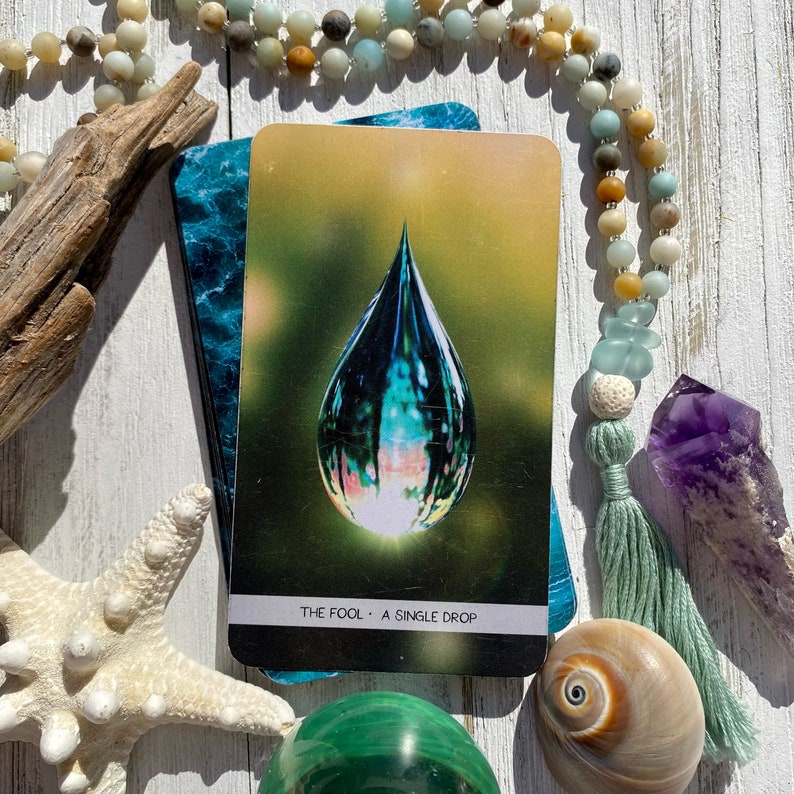
The Water Barrier Tarot represents the emotional walls we build—consciously or unconsciously—to protect ourselves from vulnerability, past pain, or overwhelming feelings. Water, in tarot, often symbolizes emotions, intuition, and the subconscious. A “barrier” suggests a blockage, a dam holding back the natural flow of these energies. This theme might appear in spreads as the Cups suit, the Moon card, or even the Hermit, depending on the context. The imagery often includes waves crashing against a wall, a calm lake with a hidden current, or a figure standing at the edge of a deep, mysterious body of water.
When the Water Barrier appears in a reading, it’s an invitation to ask: What emotions am I resisting? What fears are keeping me from diving deeper into my feelings? It’s not about breaking the barrier forcefully but understanding its purpose and learning to navigate around or through it with grace.
Posing a Playful Question to the Water Barrier
To engage with the Water Barrier Tarot, start by framing a question that blends curiosity with a touch of whimsy. Playfulness disarms resistance and opens the door to deeper truths. Try questions like:
- “If my emotions were a river, what’s the story of the dam blocking its path?” This invites a narrative exploration of your emotional landscape.
- “What would happen if I swam through the barrier instead of around it?” This challenges the idea that the barrier is impassable.
- “Is the Water Barrier a shield or a prison? How do I tell the difference?” This questions the barrier’s role in your life.
For example, if you draw the Three of Cups alongside the Water Barrier, your question might be: “What joyful connections am I holding back because of an old fear of emotional overwhelm?” The playful angle softens the resistance, making it easier to explore.
Interpreting the Water Barrier’s Challenge
The primary challenge of the Water Barrier is emotional stagnation. When energy isn’t flowing, it can manifest as:
- Overwhelm: Feeling like emotions are too much to handle, leading to avoidance or numbness.
- Projection: Assuming others will react negatively to your feelings, so you suppress them preemptively.
- Self-Judgment: Believing your emotions are “too much” or “not enough,” creating a cycle of guilt or shame.
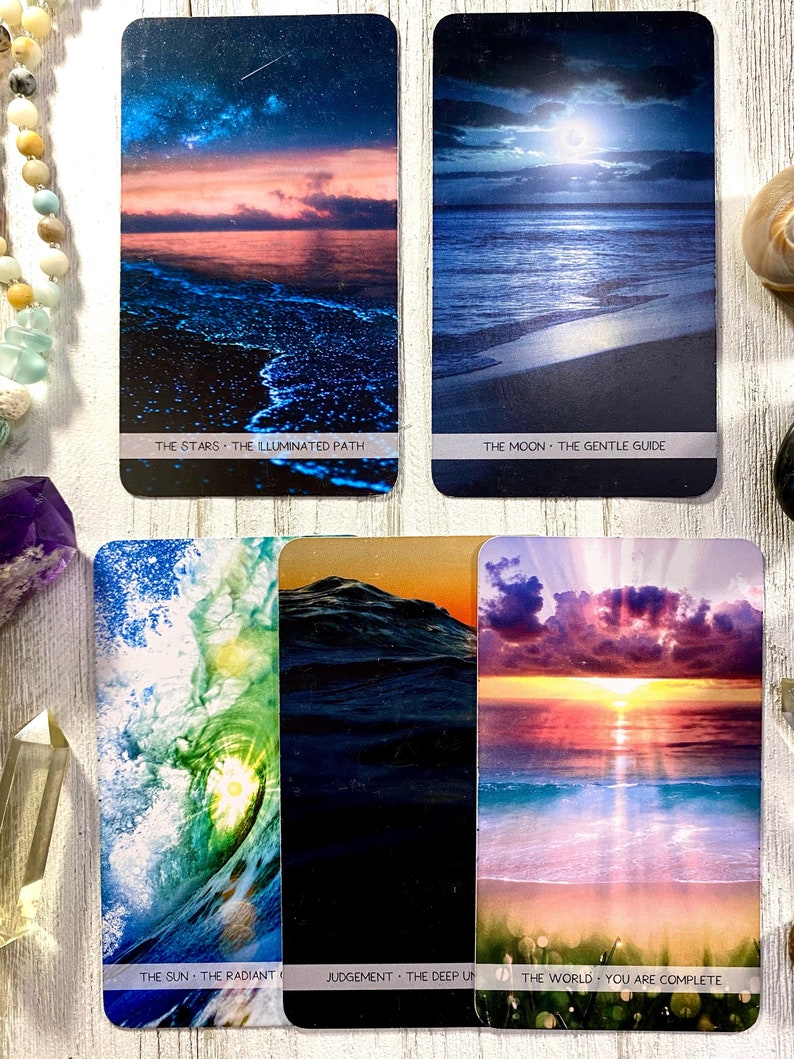
Visually, the barrier might appear as a wall of ice (frozen emotions), a stormy sea (chaotic feelings), or a mirror-like surface (reflecting back unresolved issues). Each image offers a clue about where the blockage lies. For instance, a stormy sea suggests turbulent emotions that need acknowledgment, while a mirror might indicate a need to confront self-criticism.
Another challenge is the illusion of safety. The barrier feels protective, but it can also isolate you from intimacy, creativity, and growth. Ask yourself: Am I using this barrier to stay safe, or am I using it to avoid growth?
Working with the Water Barrier in a Reading
To use the Water Barrier Tarot effectively, structure your reading around these steps:
- Identify the Barrier: Which cards represent the barrier itself? Look for cards like the Five of Cups (loss), the Eight of Swords (mental blocks), or the Tower (sudden emotional upheaval).
- Explore the Emotions Behind It: What’s the underlying feeling? Draw a card to represent the emotion (e.g., Queen of Cups for compassion, Knight of Swords for repressed anger).
- Find the Weakness in the Barrier: Is there a crack, a door, or a shallow point where you can peek through? Cards like the Star (hope) or the Two of Cups (connection) might reveal an opening.
- Ask for Guidance: What advice does the tarot offer? The High Priestess might suggest trusting your intuition, while the Chariot could urge you to take control of your emotional direction.
For example, if the Hermit appears as the barrier, it might indicate withdrawal from emotions to seek solitude. The solution could be to balance solitude with gentle self-expression, perhaps through journaling or art.
Transforming the Water Barrier into a Bridge
The goal isn’t to destroy the barrier but to redefine its purpose. Instead of a wall, it can become a filter—allowing emotions to pass through in a way that serves you. Here’s how:
- Grounding: Use the Four of Pentacles to remind yourself that you can hold boundaries without shutting down entirely.
- Release Rituals: Write down what you’re resisting on a piece of paper and float it in water (a bowl or sink) as a symbolic release.
- Creative Expression: Paint, dance, or play music to channel emotions that feel “stuck.” The Three of Wands encourages looking outward for new perspectives.
- Mindfulness: Practice observing emotions without judgment. The Temperance card teaches balance and patience.
Conclusion
The Water Barrier Tarot is a mirror for your emotional landscape, reflecting both the walls you’ve built and the potential for transformation. By approaching it with curiosity and playfulness, you can uncover the hidden currents beneath the surface and learn to navigate them with greater ease. Remember, the barrier isn’t your enemy—it’s a teacher, showing you where your heart is asking for attention. Whether you’re drawing a single card or diving into a full spread, let the Water Barrier guide you toward emotional freedom, one ripple at a time.
FAQ
What does the Water Barrier Tarot represent?
It represents the emotional walls we build to protect ourselves, symbolizing blockages in our emotional flow.
How can I use the Water Barrier Tarot in a reading?
Identify the barrier, explore the emotions behind it, find weaknesses, and seek guidance from the cards.
Leave a Reply