Short Answer
This guide explores the cultural significance, evolution, and various forms of content related to the iconic song “We Are the World” and its connection to the WAYHOME movement. Whether you’re a music enthusiast, a fan of charitable initiatives, or simply curious about the impact of these works, you’ll discover key insights into their history, adaptations, and enduring legacy. From the original humanitarian anthem to modern reinterpretations, this article breaks down the different types of content available—including lyrics, music videos, live performances, and charitable campaigns—so you can fully appreciate their message and influence.
The Origins and Legacy of “We Are the World”
“We Are the World” is a charity single recorded by the supergroup USA for Africa in 1985. Written by Michael Jackson and Lionel Richie, the song was created to raise funds for famine relief in Africa, particularly Ethiopia. The track brought together over 40 legendary artists, including Stevie Wonder, Diana Ross, Bruce Springsteen, and Tina Turner, making it one of the most ambitious musical collaborations in history. Its message of unity and compassion resonated globally, cementing its place as an enduring anthem for humanitarian causes.
The song’s lyrics emphasize collective responsibility and hope, with the iconic opening line, “There comes a time when we heed a certain call.” Its melody, composed by Jackson and Richie, is both uplifting and emotive, blending pop, rock, and soul influences. Over the years, “We Are the World” has been re-released and reimagined for various causes, including disaster relief and global pandemics, proving its timeless relevance.

Music Videos and Visual Interpretations
The original “We Are the World” music video features a collage of the recording session, behind-the-scenes footage, and images of famine-stricken Africa. This visual storytelling amplifies the song’s emotional impact, blending the artists’ passion with the urgency of the cause. The video’s raw and unfiltered approach helped galvanize public support for the relief effort, making it a powerful tool for advocacy.
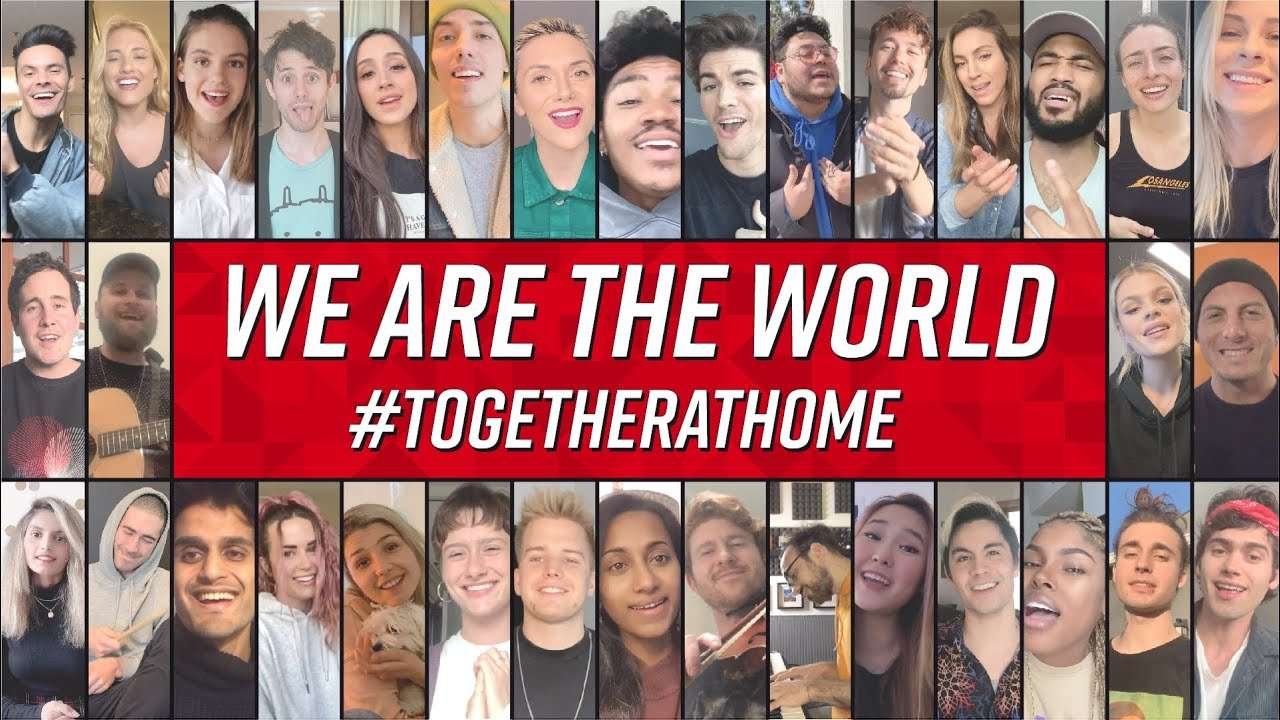
In addition to the original, several modern reinterpretations have emerged. For instance, the “Together At Home” edition from 2020, created during the COVID-19 pandemic, features artists performing from their homes. This adaptation highlights the song’s adaptability, proving that its message of unity transcends time and technology. Other versions include animated lyric videos, fan-made tributes, and even virtual choirs, each offering a unique perspective on the song’s enduring appeal.
Lyrics and Their Meaning
The lyrics of “We Are the World” are deceptively simple yet profoundly moving. The opening verse sets the tone with a call to action: “There comes a time when we heed a certain call / When the world must come together as one.” This line underscores the song’s central theme: that global challenges require collective effort. The chorus, “We are the world, we are the children / We are the ones who make a brighter day,” reinforces the idea that every individual has the power to create positive change.
Beyond its surface-level appeal, the lyrics also reflect the cultural and political climate of the 1980s. The song was released during a period of heightened awareness about global poverty, thanks in part to media coverage of famine in Ethiopia. By framing the issue as a shared responsibility, “We Are the World” challenged listeners to look beyond their own lives and contribute to a greater good. Today, the lyrics continue to inspire new generations, serving as a reminder of the importance of empathy and solidarity.
Live Performances and Concerts
“We Are the World” has been performed live at numerous events, both as a standalone piece and as part of larger charity concerts. One of the most notable live performances occurred during the 1985 Live Aid concert, where the song was broadcast to a global audience. This event, which featured performances by some of the same artists involved in “We Are the World,” amplified the song’s reach and impact.
In recent years, the song has been revisited at benefit concerts, such as the 2020 “Together At Home” virtual event, which raised funds for the World Health Organization’s COVID-19 Solidarity Response Fund. These performances often include modern artists alongside original contributors, creating a bridge between past and present. Additionally, tribute concerts and cover versions by contemporary artists keep the song’s legacy alive, ensuring that its message continues to resonate with new audiences.

WAYHOME: The Modern Movement
WAYHOME is a contemporary initiative inspired by the spirit of “We Are the World.” While not directly affiliated with the original song, WAYHOME embodies similar values of unity, creativity, and social impact. The movement focuses on bringing people together through music, art, and community events, often leveraging digital platforms to reach a global audience. Its name, a play on “way home,” suggests a journey toward connection and belonging.
The WAYHOME platform offers a variety of content, including song lyrics, music videos, and concert recordings. It serves as a hub for artists and fans alike, providing a space to explore the intersection of music and social change. Whether through live streams, virtual collaborations, or charitable campaigns, WAYHOME continues the legacy of “We Are the World” by fostering a sense of global community.
How to Engage with the Content
For those interested in exploring “We Are the World” and WAYHOME further, there are several ways to engage with the content. Start by listening to the original song and watching the classic music video to understand its historical context. Next, explore modern reinterpretations, such as the “Together At Home” edition, to see how the song has evolved with technology and new artistic voices.
For a deeper dive, analyze the lyrics and their meaning, considering how they reflect the challenges and aspirations of different eras. Attend live performances or virtual concerts to experience the song’s emotional power firsthand. Additionally, follow WAYHOME’s platform for updates on new content, collaborations, and charitable initiatives. By actively engaging with these resources, you can gain a richer appreciation for the song’s enduring legacy and its role in shaping global movements.
Conclusion
“We Are the World” and the WAYHOME movement represent more than just songs—they are symbols of unity, compassion, and collective action. From their origins in humanitarian crises to their modern adaptations, these works continue to inspire and unite people across generations. By exploring the music videos, lyrics, live performances, and related initiatives, you can fully grasp their cultural significance and the power of music to drive social change. Whether you’re revisiting the original anthem or discovering its contemporary counterparts, these works offer a timeless reminder that we are all connected, and together, we can make a difference.
FAQ
What is the significance of 'We Are the World'?
‘We Are the World’ is a charity single that highlights global unity and humanitarian efforts, created to raise funds for famine relief.
What is the WAYHOME movement?
WAYHOME is a contemporary initiative inspired by the spirit of ‘We Are the World’, focusing on unity, creativity, and social impact through music and art.
Leave a Reply