Short Answer
Embarking on a journey into the world of tarot can feel like stepping into a realm where mystery meets intuition, where symbols whisper secrets of the past, present, and future. Whether you’re drawn to tarot for guidance, self-discovery, or sheer curiosity, this guide will illuminate the essence of tarot cards and their profound meanings. You’ll uncover the history behind these enigmatic tools, explore the structure of the deck, and delve into the symbolism that makes each card unique. By the end, you’ll not only understand how tarot works but also how it can serve as a mirror to your inner world, promising a shift in perspective that might just change how you see yourself and your path forward.
What Are Tarot Cards?
Tarot cards are a deck of 78 illustrated cards used for divination, meditation, and self-reflection. Unlike standard playing cards, tarot decks are rich with symbolic imagery that taps into archetypal themes—universal patterns of human experience. The deck is divided into two main sections: the Major Arcana and the Minor Arcana. The Major Arcana consists of 22 cards, each representing significant life events or spiritual lessons, such as The Fool’s journey or The Lovers’ union. The Minor Arcana, with 56 cards, mirrors the structure of a standard deck, featuring four suits (Cups, Pentacles, Swords, and Wands) that reflect everyday experiences, challenges, and emotions. Together, these cards create a language that speaks to the subconscious, offering insights that are both profound and personal.
The History and Evolution of Tarot
The origins of tarot are shrouded in mystery, with theories suggesting they emerged in 15th-century Europe as playing cards before evolving into tools for divination. Initially used by nobility for games like Tarocchi, tarot’s mystical reputation grew during the 18th and 19th centuries when occultists, such as the Hermetic Order of the Golden Dawn, reinterpreted the cards as a system for spiritual growth and esoteric wisdom. Today, tarot is embraced by people of all backgrounds, from skeptics to spiritual seekers, as a way to explore the subconscious, confront inner truths, and navigate life’s uncertainties. Its enduring appeal lies in its adaptability—tarot can be a compass for decision-making, a catalyst for creativity, or a ritual for introspection.
Understanding the Major Arcana: The Soul’s Journey
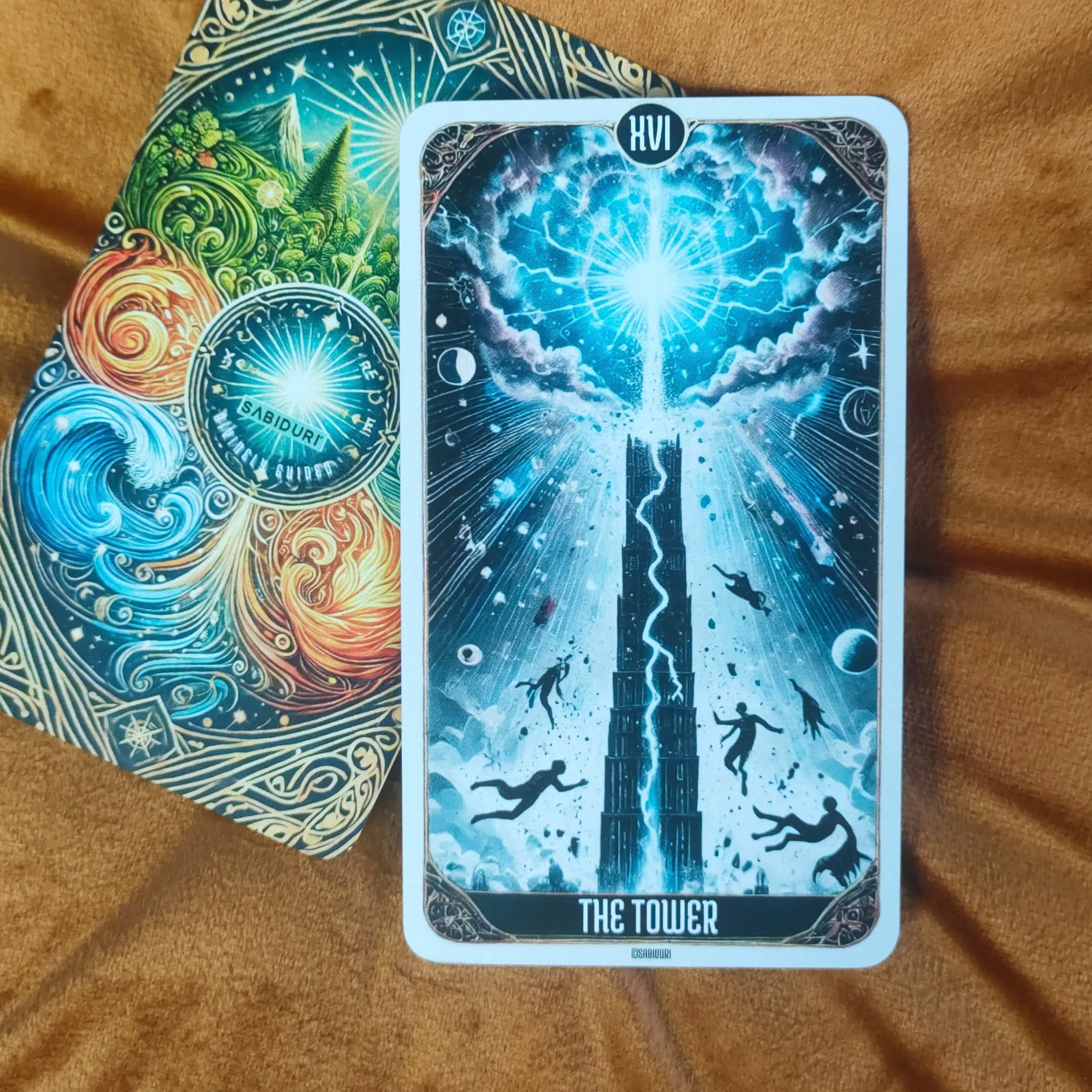
The Major Arcana cards are the heart of the tarot deck, each representing a pivotal moment or lesson in the human experience. Starting with The Fool—a card of new beginnings, spontaneity, and taking a leap of faith—these cards follow a narrative arc that mirrors the journey of life itself. For example, The Magician embodies resourcefulness and manifestation, while The High Priestess invites you to trust your intuition and the unseen. Cards like Death (often misunderstood) symbolize transformation rather than literal demise, and The World represents completion and fulfillment. Together, these 22 cards form a roadmap of spiritual evolution, encouraging you to reflect on where you are in your own journey and what lessons await you.
Decoding the Minor Arcana: The Tapestry of Daily Life
While the Major Arcana deals with grand themes, the Minor Arcana grounds tarot in the realities of everyday existence. Divided into four suits—Cups (emotions and relationships), Pentacles (material world and finances), Swords (intellect and conflict), and Wands (creativity and passion)—these cards reflect the nuances of daily life. For instance, the Three of Cups might signal celebration and friendship, while the Five of Pentacles could highlight financial struggles or feelings of isolation. Each suit carries its own energy: Cups are fluid and intuitive, Pentacles are grounded and practical, Swords are sharp and analytical, and Wands are fiery and dynamic. Mastering the Minor Arcana allows you to weave tarot into your routine, using it to dissect challenges, celebrate victories, and uncover hidden motivations.

How to Read Tarot Cards: A Beginner’s Guide
Reading tarot is less about predicting the future and more about tapping into your intuition and the cards’ symbolic language. Start by choosing a deck that resonates with you—whether it’s the classic Rider-Waite-Smith or a modern reinterpretation. Familiarize yourself with the imagery and meanings of each card, but don’t rely solely on guidebooks; let your first impressions guide you. Begin with simple spreads, like a three-card layout representing past, present, and future, or a single-card pull for daily insight. Shuffle the deck while focusing on a question or intention, then draw your cards. Observe the symbols, colors, and emotions they evoke. Remember, there are no “bad” cards—even challenging ones like The Tower or Ten of Swords offer opportunities for growth. Over time, your connection to the cards will deepen, and you’ll develop a personal dialogue with the deck.
Common Misconceptions About Tarot
Tarot is often shrouded in myths that can deter newcomers. One of the most pervasive is the idea that tarot predicts the future with absolute certainty. In reality, tarot offers a reflection of potential outcomes based on current energies, leaving room for free will and change. Another misconception is that you need psychic abilities to read tarot—while intuition plays a role, tarot is a tool that anyone can learn with practice and openness. Some also believe tarot is inherently “dark” or tied to the occult, but many use it for positive purposes, such as self-care, decision-making, or artistic inspiration. Dispelling these myths is key to embracing tarot as a versatile and empowering practice.
Using Tarot for Self-Discovery and Growth
Beyond divination, tarot is a powerful tool for self-exploration. Pulling a card daily can serve as a prompt for reflection, helping you identify patterns in your thoughts and behaviors. For deeper work, try journaling about your card pulls—what emotions arise? What situations in your life do they mirror? Tarot can also be used in meditation, where you focus on a card’s imagery to uncover subconscious messages. For example, drawing The Hermit might encourage you to seek solitude and wisdom, while Strength could remind you to approach challenges with compassion and patience. By integrating tarot into your routine, you create a dialogue with your inner self, fostering clarity and personal evolution.
Choosing Your First Tarot Deck
Selecting a tarot deck is a deeply personal process. While the Rider-Waite-Smith deck is a popular starting point due to its clear symbolism, don’t hesitate to explore other options. Some decks, like the Modern Witch Tarot or Light Seer’s Tarot, offer contemporary interpretations, while others, such as the Thoth Tarot, delve into more esoteric themes. Visit a metaphysical shop or browse online to see which imagery speaks to you. Pay attention to the colors, art style, and overall energy of the deck—your connection to it will make your readings more meaningful. Remember, there’s no “right” deck; the best one is the one that resonates with your intuition.

Conclusion
Tarot cards are more than just a divination tool—they are a gateway to deeper self-awareness, a mirror for your subconscious, and a catalyst for transformation. Whether you’re drawn to the Major Arcana’s grand narratives or the Minor Arcana’s everyday insights, tarot offers a language to explore your inner world and navigate life’s complexities. By approaching the cards with curiosity and an open mind, you’ll discover that tarot isn’t about predicting the future but about uncovering truths, embracing change, and finding clarity in the midst of uncertainty. So, shuffle your deck, draw a card, and let the journey begin—one symbol at a time.
FAQ
What are tarot cards used for?
Tarot cards are used for divination, meditation, personal growth, and self-reflection.
How many cards are in a tarot deck?
A standard tarot deck contains 78 cards, divided into the Major and Minor Arcana.
Can anyone read tarot cards?
Yes, anyone can learn to read tarot cards with practice and openness to intuition.
Leave a Reply