Short Answer
Embarking on a journey through the tarot deck is like stepping into a living library of ancient wisdom, where each card whispers secrets of the human experience. Whether you’re a seasoned reader or a curious newcomer, understanding the individual meanings of tarot cards unlocks a deeper connection to intuition, symbolism, and the universal language of archetypes. This guide will illuminate the rich tapestry of meanings behind every card—from the fiery passion of the Major Arcana to the nuanced energies of the Minor Arcana suits. By the end, you’ll not only recognize the cards but also feel their stories resonate within you, transforming your readings into a dance of insight and revelation.
The Major Arcana: The Soul’s Epic Journey
The Major Arcana represents the grand themes of life’s journey, from innocence to enlightenment. These 22 cards are the backbone of any tarot reading, each acting as a chapter in a larger narrative. For instance, The Fool embodies spontaneity and new beginnings, often depicted as a carefree traveler stepping off a cliff—symbolizing trust in the unknown. Meanwhile, The Lovers transcends romance; it’s about choices, harmony, and aligning with one’s higher self. The Major Arcana cards are metaphors for the soul’s evolution, inviting you to reflect on your path and the lessons unfolding before you.

The Minor Arcana: The Colors of Everyday Life
While the Major Arcana maps the soul’s journey, the Minor Arcana—comprising 56 cards—paints the vibrant hues of daily existence. Divided into four suits—Wands, Cups, Swords, and Pentacles—each suit governs a different facet of life. Wands (Fire) ignite passion and creativity, Cups (Water) flow with emotions and relationships, Swords (Air) cut through intellect and conflict, and Pentacles (Earth) ground us in material reality. For example, the Three of Cups celebrates joy and camaraderie, while the Ace of Swords slices through confusion with clarity. These cards reflect the ebb and flow of ordinary moments, offering guidance on how to navigate them with intention.
Wands: Igniting the Flame of Creativity and Ambition
The Wands suit is a fiery testament to ambition, inspiration, and personal growth. Each card in this suit radiates energy, urging you to pursue your dreams with vigor. The King of Wands, for instance, is a charismatic leader, brimming with confidence and vision, while the Eight of Wands symbolizes swift movement and progress, as if arrows flying toward a target. These cards often appear when you’re called to take action, embrace change, or trust your instincts. They remind you that passion is the fuel for transformation, and hesitation is the only true obstacle.

Cups: Navigating the Depths of Emotion and Connection
Cups are the tarot’s emotional compass, delving into the realms of love, intuition, and subconscious desires. This suit is deeply tied to relationships, whether romantic, familial, or spiritual. The Queen of Cups embodies empathy and nurturing, while the Five of Cups highlights loss and grief—but also the potential for healing. These cards often surface during times of introspection, asking you to explore your feelings without judgment. They teach that emotions are not just reactions but gateways to deeper self-awareness and connection with others.
Swords: The Cutting Edge of Truth and Intellect
Swords are the tarot’s sharpest tools, slicing through illusions to reveal raw truth. Governed by the element of Air, this suit governs communication, conflict, and mental clarity. The Ten of Swords may seem ominous—a figure pierced by ten swords—but it actually signifies the end of a painful cycle and the dawn of renewal. Meanwhile, the Page of Swords represents curiosity and a thirst for knowledge, often appearing when you’re seeking answers or questioning the status quo. Swords demand honesty, both with yourself and others, and remind you that clarity often comes at the cost of confrontation.
Pentacles: Grounding in the Material World
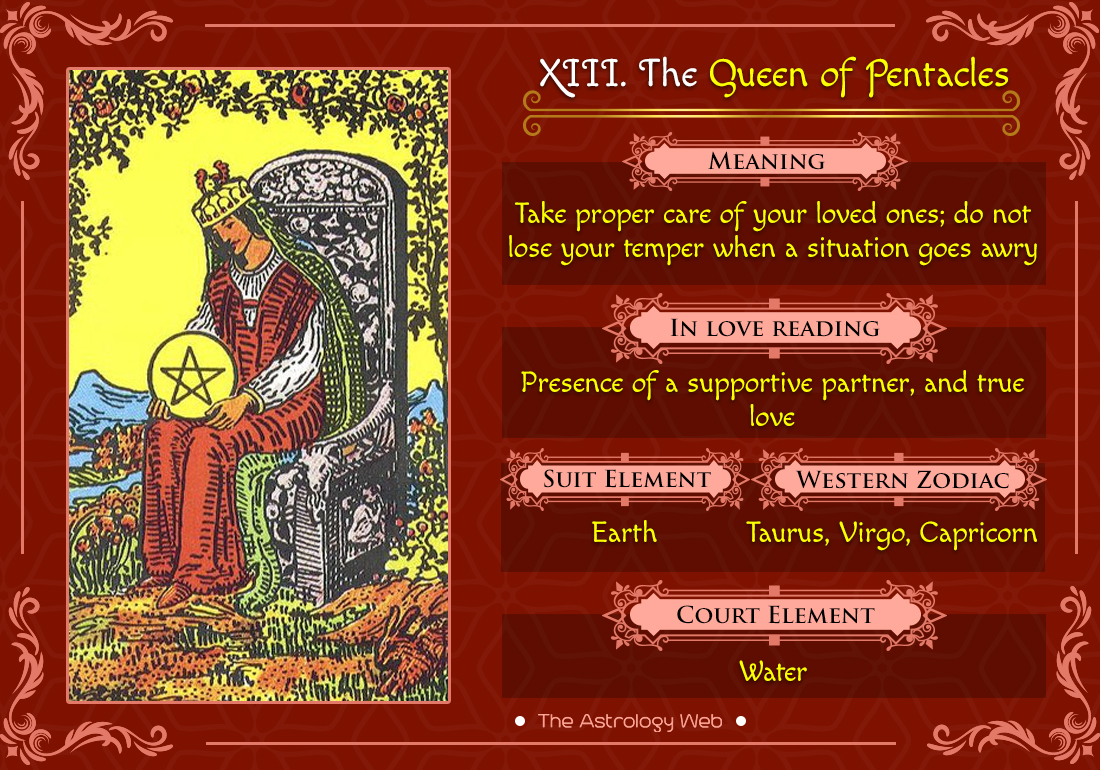
Pentacles anchor the tarot’s spiritual wisdom in the tangible realities of life—money, health, and stability. This suit, tied to the element of Earth, is about practicality, resources, and long-term growth. The Six of Pentacles illustrates generosity and balance in giving and receiving, while the King of Pentacles embodies wealth not just in finances but in wisdom and reliability. These cards often appear when you’re making decisions about your career, finances, or personal well-being. They encourage you to build a solid foundation, reminding you that true abundance comes from both effort and gratitude.
Court Cards: The People in Your Story
The Court Cards—Page, Knight, Queen, and King of each suit—are the tarot’s most dynamic characters. They can represent actual people in your life or aspects of your own personality. For example, the Knight of Cups may symbolize a romantic suitor or your own emotional openness, while the Queen of Swords could reflect a sharp-witted mentor or your own analytical side. These cards add depth to readings by highlighting the roles we play and the energies we embody. They challenge you to ask: Who am I in this moment? Who do I need to become?
Reversed Cards: The Shadow Side of Meaning
When a card appears reversed, its energy is often internalized or blocked. Reversals invite you to explore the card’s shadow side—its challenges, delays, or hidden lessons. For instance, the Three of Swords reversed may indicate repressed heartache, while the Eight of Pentacles reversed suggests burnout or a lack of focus. Reversed cards aren’t failures; they’re mirrors reflecting areas needing attention. They remind you that growth often comes from discomfort and that even the darkest cards hold wisdom when viewed with an open heart.
Reading the Cards Together: Weaving the Story
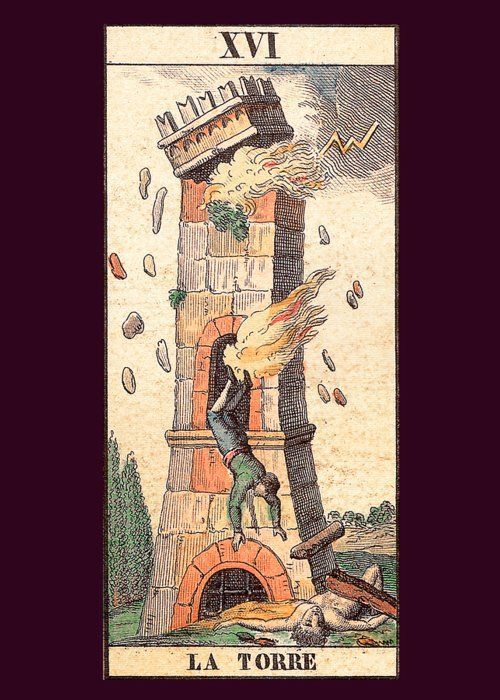
The magic of tarot lies not in individual cards but in how they interact. A spread like the Celtic Cross tells a story, where each card influences the next. For example, the Two of Cups followed by the Five of Pentacles might suggest a relationship tested by financial strain, while the Sun followed by the Tower could indicate a sudden breakthrough after a period of joy. Learning to read cards in context transforms a reading from a simple prediction into a profound dialogue with the universe.
Conclusion
The tarot is more than a deck of cards; it’s a mirror, a guide, and a storyteller. Each card, whether it’s the fiery passion of the Wands or the grounded wisdom of the Pentacles, offers a unique lens through which to view your life. By understanding their meanings—both upright and reversed—you unlock a language that speaks to the soul. The next time you draw a card, ask yourself: What is this card trying to tell me? How does its energy resonate with my current journey? The answers may surprise you. With practice, the tarot becomes not just a tool for divination but a companion on your path to self-discovery and empowerment.
Leave a Reply