Short Answer
Ever wondered why certain cards or characters in a deck seem to wink at you, while others stand tall with an air of mystery? Playing cards and their symbolic characters aren’t just random drawings—they’re packed with meaning, history, and even a dash of playful challenge. Whether you’re shuffling a deck for a game of poker, flipping through tarot cards for insight, or simply admiring the artistry of a character card, understanding the symbols and poses can transform your experience from casual curiosity to deep appreciation. In this guide, we’ll explore the hidden language of cards and characters, decoding their poses, symbols, and the stories they tell. By the end, you might just look at your next hand—or character card—with a whole new perspective.
The Language of Playing Cards: More Than Just Numbers and Suits
At first glance, a standard deck of playing cards seems straightforward: four suits (hearts, diamonds, clubs, spades), numbered cards from Ace to King, and a few face cards thrown in. But each element carries deeper significance. The suits themselves often represent different aspects of life or nature. Hearts, for example, are traditionally linked to love and emotion, while spades symbolize intellect and challenges. Diamonds might represent wealth or material success, and clubs often signify growth or creativity. Even the colors play a role—red for passion and energy, black for mystery and formality.
Take the King of Hearts, often depicted holding a sword but without a mustache in many decks. This card is sometimes called the “Suicide King” because of the way the sword appears to pierce his head. While this might seem grim, it’s a reminder that even the most powerful figures face internal struggles. Meanwhile, the Queen of Spades is frequently associated with independence and sharp intellect, often portrayed in a poised stance that commands respect. These subtle details invite you to ask: What story is this card trying to tell me? And how does its pose or symbol reflect that narrative?
Face Cards and Their Symbolic Poses: What Are They Really Saying?
Face cards—Jacks, Queens, and Kings—are the celebrities of the deck, each with a unique pose or expression that hints at their personality. A King standing tall with a scepter might symbolize authority and leadership, while a Queen seated regally with a book could represent wisdom and nurturing. But poses aren’t just about status; they often convey emotion or intent. A Jack mid-laugh, for instance, might suggest mischief or spontaneity, while a Queen with a stern gaze could imply resilience or even a challenge ahead.
Consider the King of Diamonds, often shown holding an axe or a flower depending on the deck. The axe might symbolize decisive action or cutting through obstacles, while the flower could represent abundance or a softer approach to leadership. These variations aren’t random—they reflect cultural interpretations or artistic choices. Challenge yourself to compare different decks: How does the pose of the Queen of Clubs change from a vintage deck to a modern one? What does that say about how society views creativity or nurturing over time?
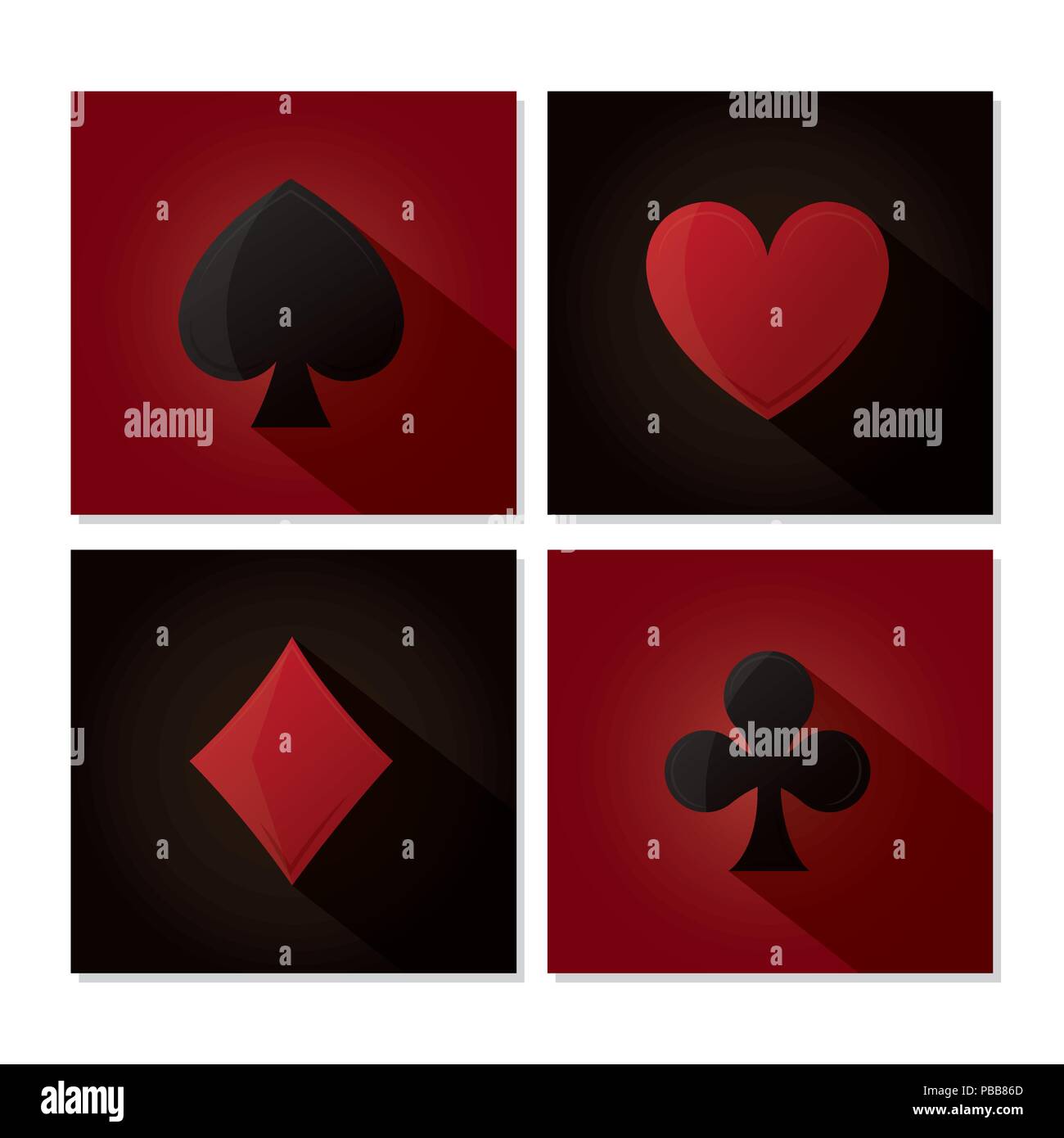
This image showcases the diversity in card symbolism, from the elegant curves of hearts to the sharp lines of spades. Notice how each suit’s symbols interact with the others—do they feel harmonious or conflicting? This visual exercise can help you interpret the energy of a hand or a spread in games like poker or tarot.
Character Cards: The Hidden Stories Behind the Faces
Character cards go beyond the standard deck, introducing figures with rich backstories and symbolic meanings. Whether it’s a tarot card like The Fool stepping off a cliff or a character card from a game like “Alice in Wonderland” holding a teacup, these images are designed to evoke emotion and curiosity. The poses of these characters often reflect their role in the story or their emotional state. A character crouched low might symbolize caution or humility, while one standing with arms outstretched could represent freedom or invitation.
Take the example of the Cheshire Cat from a character card deck. Its iconic grin and floating form aren’t just whimsical—they represent the unpredictability of life and the idea that things aren’t always as they seem. Similarly, a character holding a key might symbolize unlocking potential or secrets, while one holding a lantern could signify guidance or enlightenment. These cards invite you to ask: What is this character’s journey? How does their pose reflect their challenges or triumphs?

This image highlights the diversity of character cards, from fantastical creatures to human figures in dynamic poses. Notice how the background and props (like the lantern or key) enhance the character’s story. Try creating your own interpretation: If this character were in a story, what would happen next based on their pose?
Symbols and Their Secret Meanings: Decoding the Hidden Language
Beyond poses, symbols on cards—whether in suits, character designs, or tarot imagery—carry centuries of meaning. For example, the ace of spades is often associated with death or transformation in some cultures, while in others, it’s simply the highest card in the suit. Flowers, animals, and objects like swords or cups frequently appear and each has its own significance. A rose might symbolize love or beauty, while a snake could represent danger or healing, depending on the context.
In tarot, symbols are even more layered. The Tower card, for instance, often depicts a structure crumbling with lightning striking it—a metaphor for sudden change or revelation. Meanwhile, The Star card shows a figure pouring water, symbolizing hope and inspiration. These symbols aren’t just decorative; they’re tools for introspection. Challenge yourself to look at a card you’ve never studied before: What symbols stand out? What emotions do they evoke? How might they relate to your current life situation?
Putting It All Together: How to Interpret Cards Like a Pro
Now that you’re familiar with the language of cards and characters, it’s time to put your knowledge into practice. Start by observing a single card—its suit, its character, its pose, and its symbols. Ask yourself: What story is this card telling? How does its design make me feel? Then, try comparing it to another card. Do they complement each other, or do they clash? This exercise can be done with any deck, whether it’s a standard playing deck, tarot, or a themed character card set.
For a deeper challenge, try creating a mini “character spread” using three cards. Place the first card to represent a challenge, the second as the character overcoming it, and the third as the outcome. Use the poses and symbols to guide your interpretation. For example, if the challenge card shows a figure with a bowed head, it might suggest humility or introspection. The character card could depict someone rising with outstretched arms, symbolizing triumph. The outcome might feature a calm scene with a tree, representing growth. This practice sharpens your ability to see connections and deeper meanings in the cards.
Conclusion: Your Next Hand Awaits
Cards and characters are more than just tools for games or divination—they’re windows into stories, emotions, and universal themes. By paying attention to poses, symbols, and the relationships between cards, you unlock a richer experience every time you shuffle a deck or draw a character. The next time you hold a King of Hearts or a Cheshire Cat card, ask yourself: What is this figure trying to teach me? What challenge or opportunity does it represent?
Remember, the beauty of cards lies in their subjectivity. While traditional meanings provide a foundation, your personal connection to the imagery is just as valid. So go ahead—pick up a deck, study the poses, and let the symbols spark your imagination. Whether you’re playing a game, seeking insight, or simply admiring the art, there’s always more to discover in the world of cards and characters.
FAQ
What do the different suits in playing cards symbolize?
Hearts represent love and emotion, spades symbolize intellect and challenges, diamonds signify wealth or material success, and clubs stand for growth or creativity.
Why are face cards important in card symbolism?
Face cards like Jacks, Queens, and Kings carry unique poses and expressions that hint at personality traits, emotions, and cultural meanings beyond their numeric value.
How do tarot cards differ from standard playing cards in symbolism?
Tarot cards include Major and Minor Arcana with richer symbolic imagery and stories, often used for divination, whereas standard playing cards focus more on suits and numbers with general meanings.
How can I start interpreting cards like a pro?
Observe a card’s suit, character, pose, and symbols, ask what story it tells, compare it with other cards, and practice using mini spreads to see deeper connections.
Leave a Reply