Short Answer
In this guide, you’ll explore the deeper meanings behind a “No” in reversed tarot cards. Whether you’re a seasoned tarot reader or a curious beginner, understanding the nuances of reversed cards can unlock hidden insights into your questions and situations. You’ll learn how reversed tarot cards function as a mirror to your subconscious, revealing obstacles, internal conflicts, or external influences that may be blocking your path. By the end, you’ll gain clarity on interpreting a “No” response and how to navigate its underlying messages with confidence.
Understanding Reversed Tarot Cards: A Shift in Perspective
Reversed tarot cards, often referred to as “upside-down” cards, are a fundamental aspect of tarot reading that adds depth and complexity to interpretations. Unlike upright cards, which present straightforward meanings, reversed cards invite you to look beneath the surface. They suggest delays, internal struggles, or external factors that may be influencing your situation in ways that aren’t immediately obvious.
When a tarot card appears reversed, it doesn’t necessarily negate the card’s upright meaning. Instead, it alters it, often highlighting challenges, hidden truths, or the need for introspection. For example, while the upright Three of Swords may indicate heartbreak, its reversed counterpart could suggest unresolved grief or the beginning of healing. This duality is what makes reversed cards so powerful—they force you to confront what you might otherwise overlook.
In the context of a “No” answer, reversed cards amplify the message by revealing the reasons behind the refusal. They don’t just say “no”; they explain why the answer is no, whether due to external circumstances, personal doubts, or unseen influences. This level of detail transforms a simple “no” into a tool for growth and self-awareness.
The Symbolism of a “No” in Reversed Tarot Cards
A “No” in reversed tarot cards often carries a layered message that goes beyond a straightforward refusal. It may indicate:
- Internal Resistance: The querent (the person asking the question) may be hesitant or unsure about the path they’re pursuing. The reversed card reflects their subconscious doubts, which are manifesting as a blockage.
- External Obstacles: Sometimes, the “No” isn’t about the querent’s desires but about external factors—timing, other people’s agendas, or unforeseen circumstances—that are working against their goals.
- Misalignment with Truth: The reversed card might reveal that the querent’s question or approach is out of sync with their true needs or values. For instance, a reversed Six of Pentacles could suggest an imbalance in giving and receiving, indicating that the querent’s request isn’t aligned with fairness or reciprocity.
- Hidden Opportunities: Paradoxically, a “No” in reversed cards can also hint at a better path forward. The refusal may be steering the querent away from a dead-end situation toward something more fulfilling.
For example, if the Five of Cups appears reversed when asking about a new relationship, it might suggest that while the querent fears rejection, the reversed card actually points to the potential for emotional renewal or a second chance. The “No” here isn’t a final answer but a nudge to reconsider their perspective.

Common Reversed Tarot Cards That Indicate a “No”
Certain tarot cards are more likely to appear reversed when the answer to your question is “No.” Here’s a breakdown of some key cards and their reversed meanings in this context:
The Tower (Reversed)
Upright, The Tower signals sudden upheaval or chaos. Reversed, it suggests that while the querent fears disruption, the “No” may be protecting them from a situation that would ultimately cause more harm. The reversed Tower can also indicate resistance to necessary change, where the querent is clinging to stability despite its flaws.
The Five of Pentacles (Reversed)
This card often represents financial or emotional hardship. When reversed, it may indicate that the querent’s fears of lack or abandonment are unfounded, but the “No” could also reflect a need to address underlying insecurities before moving forward.
The Knight of Swords (Reversed)
Upright, this card embodies impulsive action. Reversed, it warns against rushing into decisions. A “No” here might mean that the querent’s approach is too aggressive or premature, and patience is required.
The Ten of Swords (Reversed)
Upright, this card signifies painful endings. Reversed, it suggests that the querent is prolonging suffering by refusing to let go. The “No” could be a sign that they need to release what no longer serves them to move forward.
How to Interpret a “No” in Reversed Tarot Cards
Interpreting a “No” from reversed tarot cards requires a multi-step approach. Here’s how to break it down:
Step 1: Examine the Card’s Upright Meaning
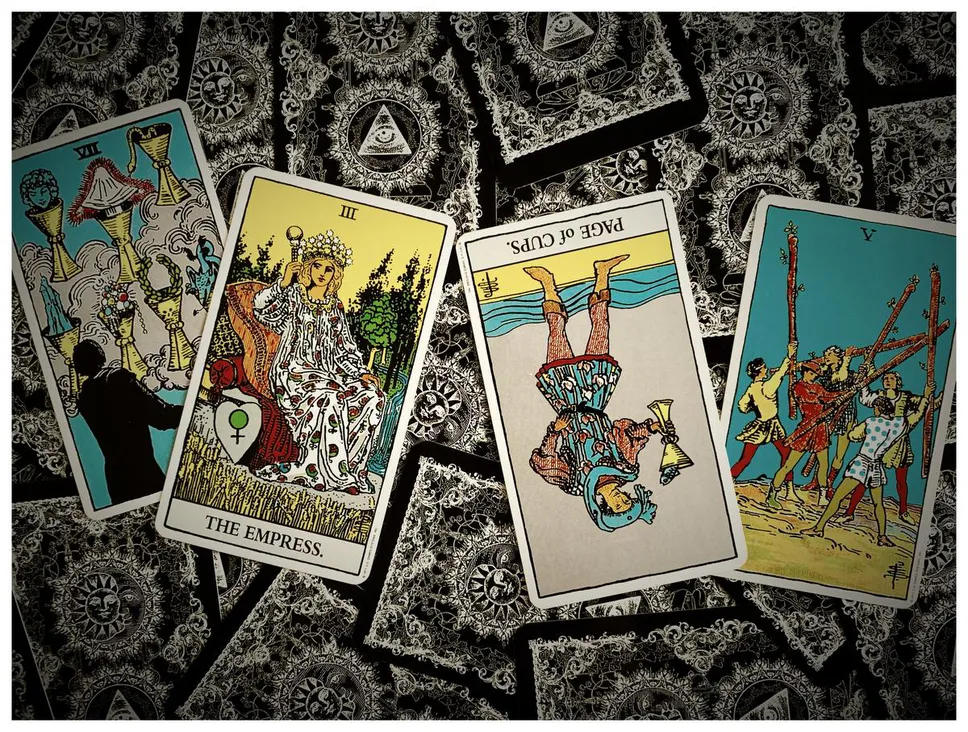
Start by recalling the upright meaning of the card. For example, if the Page of Cups appears reversed, its upright meaning is about emotional messages or creativity. Reversed, it could indicate a lack of inspiration or suppressed feelings, which might explain a “No” to a creative project.
Step 2: Consider the Card’s Element and Suit
Tarot cards are divided into suits (Cups, Pentacles, Swords, Wands) and elements (Water, Earth, Air, Fire). A reversed card in the Swords suit (Air) often points to mental blocks or communication issues, while a reversed Pentacles card (Earth) may relate to practical obstacles or financial concerns.
Step 3: Look at Surrounding Cards
In a tarot spread, the cards around the reversed card provide context. For instance, if the Two of Cups (a card of partnership) appears reversed between two other cards that suggest harmony, the “No” might indicate a temporary misalignment in a relationship rather than a permanent end.
Step 4: Reflect on the Querent’s Emotional State
Ask yourself: Is the querent seeking validation, or are they genuinely open to guidance? A “No” in reversed cards can sometimes reflect the querent’s own fears or biases rather than an external truth. For example, if the querent is afraid of failure, a reversed Chariot might reflect their hesitation to take control of their life.
Practical Tips for Working with a Reversed “No”
Receiving a “No” from reversed tarot cards can be frustrating, but it’s an opportunity to refine your approach. Here are some practical tips to navigate the message:
Ask Follow-Up Questions
If a card suggests a “No,” dig deeper. For example, if the Eight of Wands reversed indicates delays, ask: “What is causing this delay?” or “How can I prepare for the right timing?” This shifts the focus from a simple refusal to actionable insights.
Rephrase Your Question
Sometimes, the wording of your question influences the answer. Instead of asking, “Will I get the job?” try, “What do I need to know about my job prospects?” This opens the door to more nuanced guidance.
Use Reversed Cards as a Mirror
Reversed cards often reflect the querent’s inner state. If you receive a “No,” ask yourself: “What part of me is resisting this outcome?” Journaling or meditation can help uncover hidden fears or desires.
Combine with Other Divination Tools
For additional clarity, use other tools like astrology, numerology, or pendulum work alongside tarot. For example, if a reversed Hermit suggests solitude, checking your moon sign might reveal whether this isolation is necessary or self-imposed.
Conclusion
A “No” in reversed tarot cards is far more than a simple refusal—it’s a layered message that invites introspection, patience, and sometimes a change in direction. By understanding the symbolism behind reversed cards, you can decode the deeper reasons for a “No” and use it as a catalyst for growth. Whether the answer reflects internal resistance, external obstacles, or a hidden opportunity, reversed tarot cards provide the tools to navigate life’s complexities with wisdom and clarity.
Next time you draw a reversed card and receive a “No,” take a moment to reflect on its message. The answer isn’t just a roadblock; it’s a signpost pointing you toward a path that aligns more closely with your true self.
FAQ
What does a reversed tarot card indicate?
A reversed tarot card often suggests delays, internal struggles, or external factors influencing the situation, requiring deeper introspection.
How can I interpret a 'No' in reversed tarot cards?
To interpret a ‘No’, consider the card’s upright meaning, its suit, surrounding cards, and the querent’s emotional state.
What are common reversed tarot cards indicating a 'No'?
Common reversed cards include The Tower, Five of Pentacles, Knight of Swords, and Ten of Swords, each carrying specific meanings.

Leave a Reply