Short Answer
In recent years, the intrigue surrounding tarot cards has surged, inviting individuals from various belief systems to explore their meanings. Among these, the interpretation of reversed tarot cards can evoke curiosity, especially within the context of Christianity. Understanding the implications of a reverse tarot card means delving into a nuanced interplay of symbolism, faith, and moral contemplation.
Tarot cards, consisting of a major arcana and minor arcana, serve as a system of archetypal imagery meant to encapsulate the human experience and psyche. Viewed through a Christian lens, however, the varied interpretations of these cards are often met with skepticism. To unravel the significance of a reverse tarot card from a Christian perspective, one must first examine the foundational beliefs that inform such interpretations.
1. The Duality of Interpretation
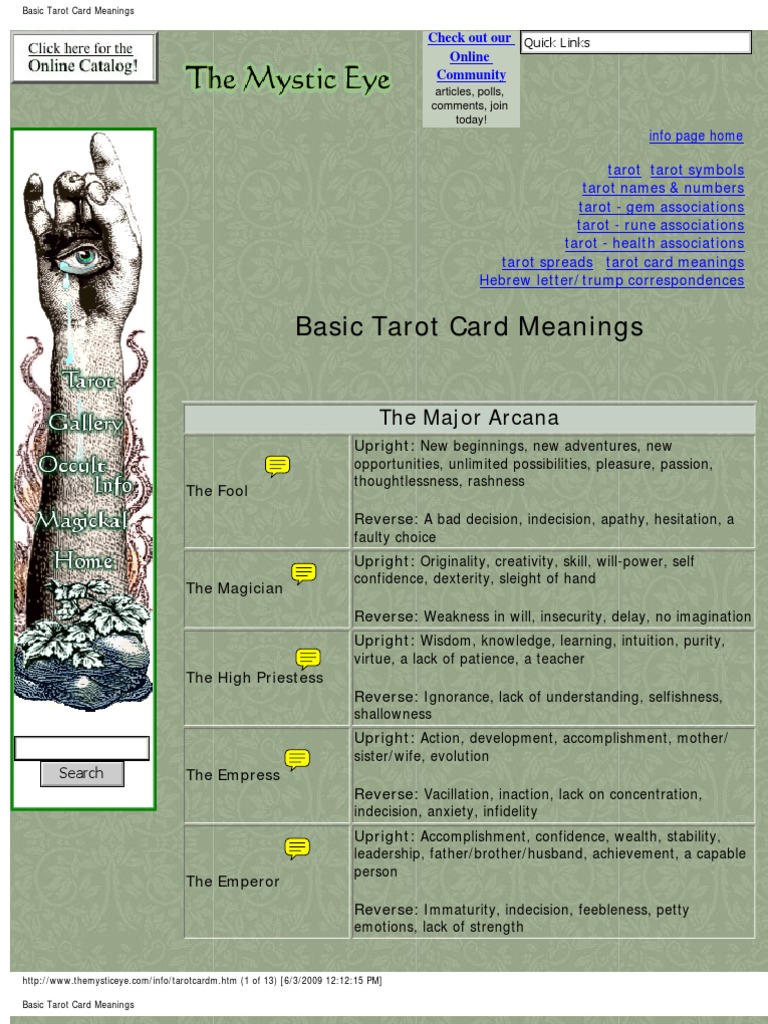
At the heart of tarot analysis lies the notion of dual meanings. A card appearing upright embodies one set of interpretations, while the reversed position typically signifies an opposing or altered manifestation of that energy. For instance, the upright card may symbolize strength and virtue, yet reversed, it could denote weakness, self-doubt, or moral dilemmas.
In Christianity, this duality resonates with the teachings of free will and choices. Just as the cards present differing outcomes, Christian doctrine emphasizes the importance of one’s choices in shaping their spiritual journey. Thus, a reversed tarot card can serve as a metaphorical illustration of the consequences of one’s actions, aligning with the Biblical tenets of moral integrity and redemption.
2. Symbolic Reflections on Personal Struggles
The interpretation of reversed tarot cards often encompasses reflection on personal struggles and internal conflicts. From a Christian perspective, these cards may mirror the human condition—temptations, sin, and the ever-present possibility of redemption. A reversed card can symbolize a deviation from one’s spiritual path, reinforcing the belief that all individuals grapple with moral challenges.
Take, for instance, the reversed Lovers card. While upright it symbolizes union and harmony, its reversed position may indicate discord or unhealthy relationships. This interpretation aligns with Christian values emphasizing love, compassion, and moral duty within relationships. Understanding such conflicts can lead to self-awareness and a recommitment to core spiritual principles.
3. The Warning Sign: Heed the Message
Reversed cards can also signal warnings or cautionary tales. Christians may interpret these as divine messages urging them to reflect on their lives, promoting the notion of spiritual vigilance. A reversed Death card, typically misconstrued as a harbinger of doom, instead suggests the need for transformation. This idea resonates with the Christian belief in renewal and the promise of eternal life beyond mortality.
In moments of distress or moral ambiguity, the appearance of a reversed card can prompt believers to seek guidance through prayer, scripture, and introspection. Here, the tarot acts as a prompt, encouraging individuals to reconcile their choices with their faith-based values.
4. Encouraging Forgiveness and Growth
The interpretation of reversed tarot cards can also extend to themes of forgiveness and growth. Christians are frequently reminded of the importance of repentance and forgiveness in their faith journey. A reversed card that signifies stagnation, such as the reversed Hermit, prompts a reevaluation of one’s spiritual practices and encourages believers to seek communal support rather than isolation.
Similarly, these reversed cards serve as a vehicle for exploring the parable of the prodigal son. Much like the son’s journey away from grace and eventual return, the reversed tarot card can symbolize the need for individuals to acknowledge their missteps, fostering an environment for spiritual growth and renewal.
5. Community vs. Isolation: A Critical Perspective
Community plays an essential role in the interpretation of reversed tarot cards within Christianity. While a reversed card may depict isolation and self-doubt, it ultimately serves to remind individuals that they are not alone in their struggles. This perspective reinforces the communal ethos of the Christian faith, wherein believers support one another through shared experiences and encourage accountability.
Moreover, tarot readings can facilitate discussions within faith circles, helping individuals confront their concerns and uncertainties. By leveraging the insights gleaned from reversed cards, communities can foster a culture of confession and support, essential facets of Christian fellowship.
6. The Moral Compass: Aligning with Biblical Principles
Ultimately, interpreting reversed tarot cards must always be viewed through the prism of one’s faith. A Christian perspective challenges individuals to align the insights gained from tarot with Biblical teachings—emphasizing values like love, humility, and integrity. Thus, a reversed card serves not merely as a tool for divination but as a prompt for spiritual reflection and growth.
In conclusion, the complexities of reversed tarot cards can offer a rich tapestry of meaning when viewed through a Christian lens. Although tarot may not align seamlessly with traditional Christian beliefs, the interpretations of these cards can resonate deeply, serving as metaphors for personal struggles, warnings, and journeys toward growth and forgiveness. As with any spiritual practice, the emphasis remains on fostering a connection with the divine and navigating life’s complexities through the teachings of faith.
FAQ
What does a reversed tarot card signify?
A reversed tarot card typically signifies opposing or altered manifestations of the card’s energy, often indicating challenges, warnings, or personal struggles.
How can reversed tarot cards be interpreted from a Christian perspective?
Reversed tarot cards can be seen as reflections of moral dilemmas and personal struggles, aligning with Christian teachings on free will and redemption.
Leave a Reply