Short Answer
Welcome to this comprehensive guide on understanding reversed tarot cards. If you’ve ever drawn a tarot card and wondered what it means when it appears upside down, you’re not alone. Reversed tarot cards can seem mysterious or even intimidating at first, but they offer valuable insights into blocked energy, hidden influences, and opportunities for transformation. In this guide, we’ll explore what reversed cards signify, how they differ from upright cards, and how to interpret them in your readings. By the end, you’ll gain confidence in recognizing and working with reversed energy in your tarot practice.
What Does a Reversed Tarot Card Mean?
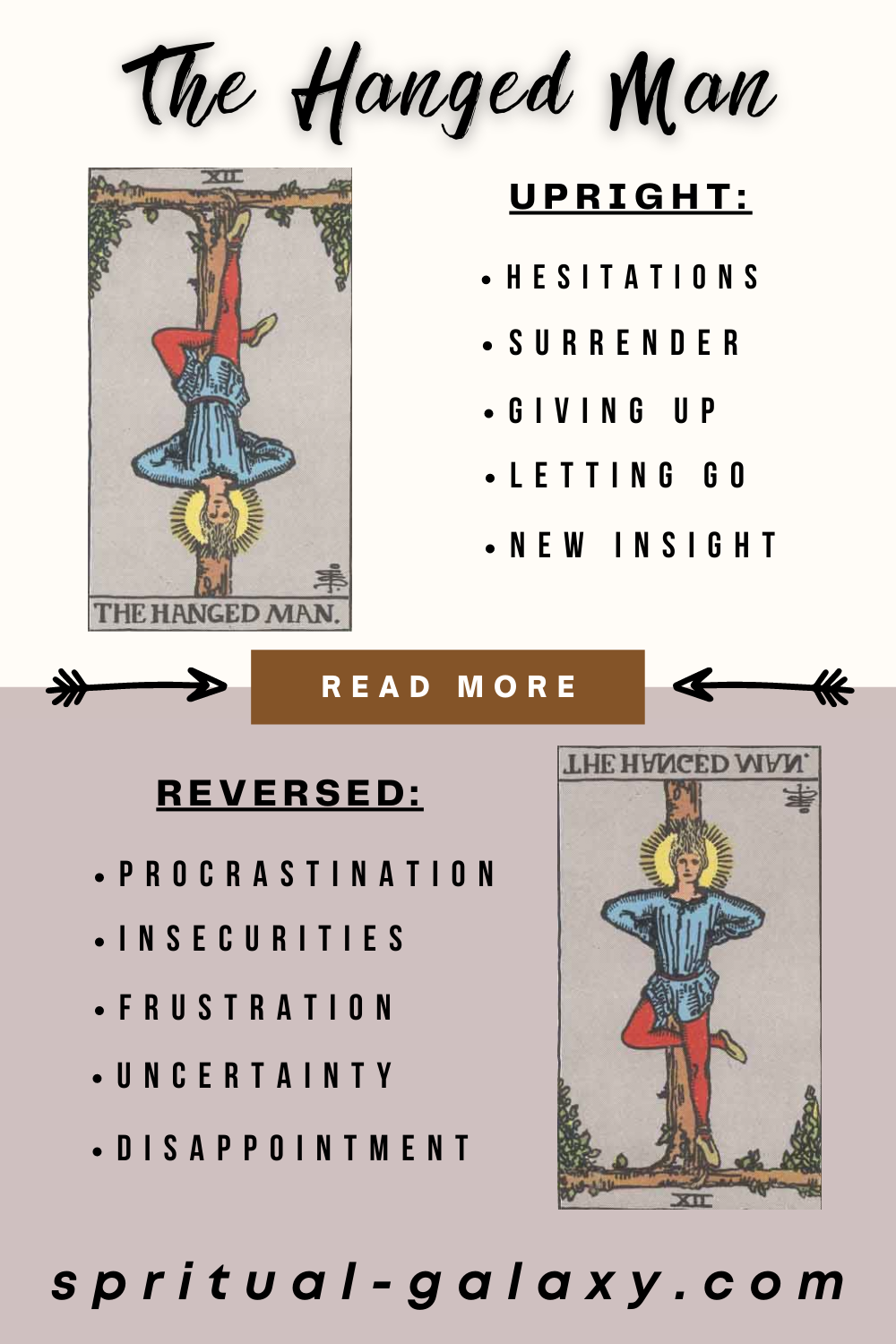
A reversed tarot card, also known as an “upside-down” card, occurs when a card appears inverted in a spread. While some tarot readers dismiss reversed cards entirely, many believe they hold significant meaning. Reversed cards often indicate that the energy of the card is blocked, internalized, or manifesting in a less obvious way. Unlike upright cards, which represent direct energy, reversed cards suggest delays, resistance, or the need for introspection.
For example, the upright Three of Cups symbolizes celebration and joy, while its reversed counterpart may point to gossip, overindulgence, or a lack of harmony in social connections. The key is to view reversed cards as signals that something is not flowing as smoothly as it could be. They invite you to pause and reflect on what might be holding you back.
The Role of Blocked Energy in Reversed Tarot Cards
Blocked energy is a central theme in reversed tarot cards. When a card appears reversed, it often highlights areas where energy is stagnant, suppressed, or misdirected. This could relate to emotions, relationships, career choices, or personal growth. For instance, the Five of Pentacles upright warns of financial hardship, but reversed, it may suggest a reluctance to seek help when needed or a fear of vulnerability in times of struggle.
Reversed cards can also reveal subconscious patterns that are preventing progress. The Eight of Swords upright shows feeling trapped, while reversed, it may indicate that you’re breaking free from limiting beliefs or finally seeing a way out of a difficult situation. Recognizing these blocks is the first step toward releasing them and allowing energy to flow more freely.
How Reversed Cards Differ from Upright Cards
While upright cards represent the straightforward expression of a card’s energy, reversed cards often introduce nuance and complexity. The same card can have entirely different meanings depending on its orientation. For example, the Tower upright signifies sudden upheaval and revelation, but reversed, it may suggest that you’re avoiding necessary change or resisting the inevitable.
Another key difference is the tone of the message. Upright cards tend to be more positive or neutral, while reversed cards can feel more challenging or introspective. This doesn’t mean reversed cards are “bad”—they simply offer a different perspective. They might highlight areas where you need to slow down, reassess, or address underlying issues before moving forward.
Common Themes in Reversed Tarot Cards
Reversed tarot cards often share common themes that can help you interpret their messages more clearly. Some of these themes include:
- Internalization: The energy of the card is turned inward, suggesting self-reflection or suppressed emotions.
- Delay or Resistance: The card’s energy is not manifesting as expected, indicating obstacles or hesitation.
- Excess or Deficiency: The card’s qualities are either overdone or lacking, pointing to imbalance.
- Hidden Influences: There may be subconscious factors at play that aren’t immediately obvious.
For example, the reversed Page of Wands might indicate a lack of inspiration or procrastination, while the upright version suggests enthusiasm and new ideas. By identifying these themes, you can better understand the message the card is conveying.
Interpreting Reversed Tarot Cards in a Reading
Interpreting reversed tarot cards requires a blend of intuition and knowledge of traditional meanings. Here are some steps to help you decode their messages:
- Consider the Card’s Upright Meaning: Start by recalling what the card represents when upright. Then, ask yourself how its energy might be altered when reversed.
- Look for Contrasts: Reversed cards often highlight what’s missing or exaggerated. For example, the Chariot upright represents determination, but reversed, it may show a lack of direction or control.
- Trust Your Intuition: Sometimes, the meaning of a reversed card comes from your gut feeling. Pay attention to any emotions or thoughts that arise when you see it.
- Context Matters: Always consider the surrounding cards in a spread. A reversed card next to a positive card may soften its impact, while one surrounded by challenging cards could amplify its message.
For example, if you draw the reversed Lovers card in a relationship reading, it might suggest disharmony, miscommunication, or a need to reassess your values. However, if other cards in the spread are positive, it could simply indicate a temporary rough patch rather than a major issue.
Reversed Tarot Cards and Personal Growth
Reversed tarot cards are not just about challenges—they also offer opportunities for growth. They can act as wake-up calls, urging you to address areas of your life that need attention. For instance, the reversed Ten of Swords might indicate that you’re holding onto past pain or refusing to let go of a situation that has already ended. Recognizing this can empower you to release the past and move forward.
Reversed cards can also highlight strengths you may not have considered. The reversed Strength card, for example, might suggest that you’re being too passive or avoiding confrontation when assertiveness is needed. By acknowledging these insights, you can take steps to realign your energy and create positive change.
Working with Reversed Energy in Your Practice
If you’re new to reversed tarot cards, it’s helpful to approach them with an open mind. Here are some tips for working with their energy:
- Journal Your Readings: Write down your interpretations of reversed cards to track patterns and deepen your understanding over time.
- Use Clarifying Cards: If a reversed card feels too vague, draw an additional card to provide more context or clarity.
- Experiment with Different Spreads: Try spreads designed specifically for reversed cards, such as the “Shadow Spread,” which focuses on hidden aspects of yourself.
- Meditate on the Card: Spend time reflecting on the imagery and symbolism of a reversed card to uncover its deeper meaning.
Conclusion
Reversed tarot cards are a powerful tool for uncovering blocked energy and gaining deeper insights into your life. While they may initially seem confusing or negative, they offer a unique perspective that can lead to growth and transformation. By learning to interpret reversed cards, you’ll enhance your tarot practice and develop a more nuanced understanding of the messages the cards convey. Whether you’re a beginner or an experienced reader, embracing the wisdom of reversed tarot cards can enrich your spiritual journey and help you navigate life’s challenges with greater clarity and confidence.
FAQ
What does a reversed tarot card indicate?
A reversed tarot card often signifies blocked energy, internalized emotions, or challenges that require introspection.
How should I interpret a reversed card in a reading?
Consider the card’s upright meaning, look for contrasts, trust your intuition, and take the context of surrounding cards into account.
Leave a Reply