Short Answer
Welcome to a journey into the enigmatic world of reversed tarot cards. In this guide, you’ll uncover the hidden depths of the tarot’s shadow side, learning how to interpret cards that appear upside down or in reverse. Whether you’re a seasoned reader or a curious beginner, this exploration will illuminate the unique appeal and metaphorical richness of reversed tarot cards, revealing the untold stories they whisper when viewed from a different angle.
The Shadow Side of Tarot: Why Reversed Cards Matter
Tarot cards are a mirror to the soul, reflecting both the light and dark facets of our inner world. When a card appears reversed, it’s not merely an inversion—it’s a whisper from the subconscious, a nudge toward the unseen. Reversed cards act as a bridge between the conscious and the shadow self, revealing truths that the upright position often conceals. They challenge us to look deeper, to question, and to embrace the complexities of our journey. Think of them as the tarot’s way of saying, “Pay attention—this is where the real magic happens.”
Reversed cards often highlight internal struggles, blocked energy, or unresolved emotions. They can signify resistance, delays, or the need for introspection. For example, the upright Three of Cups celebrates joy and community, but reversed, it may point to gossip, overindulgence, or feelings of exclusion. The reversed Chariot could indicate a lack of direction or self-doubt, urging you to reclaim your inner strength. These cards don’t just flip the script—they rewrite it, inviting you to confront what you’ve been avoiding.
Metaphors in Reverse: The Language of the Shadow
The tarot speaks in symbols, and reversed cards amplify that language, adding layers of metaphor that resonate on a primal level. A reversed Death card isn’t about literal demise; it’s a metaphor for stagnation, fear of change, or clinging to the past. The reversed Tower might suggest a slow-burning crisis rather than a sudden upheaval, hinting at underlying tensions that need addressing. These metaphors are not just poetic—they’re psychological, tapping into universal fears and desires.
Consider the reversed Lovers card. Upright, it symbolizes harmony and choices; reversed, it may reflect disharmony, misalignment, or a relationship built on illusion. The card’s shadow side forces us to ask: Are we truly aligned with our values, or are we settling for less? This metaphor extends beyond romance—it applies to friendships, career paths, and personal growth. Reversed cards act as a mirror, reflecting back the parts of ourselves we’d rather not see, but must acknowledge to evolve.

Interpreting Reversed Cards: Techniques and Nuances
Reading reversed tarot cards is an art that blends intuition with structure. One common technique is to focus on the card’s core energy and how its reversal alters that energy. For instance, the upright Seven of Swords suggests strategy and cunning, but reversed, it may indicate deception—either someone being dishonest with you or you being dishonest with yourself. Another approach is to consider the card’s elemental or astrological associations. A reversed King of Wands, ruled by fire, might suggest a lack of passion or impulsive decisions that backfire.
Timing is another crucial factor. Reversed cards can indicate delays or internal work that must be done before progress can occur. The reversed Ten of Pentacles might warn against financial instability or family conflicts that need resolution before harmony can be restored. Additionally, reversed cards often highlight areas where you’re your own worst enemy—self-sabotage, procrastination, or limiting beliefs. By recognizing these patterns, you can shift your perspective and take proactive steps toward growth.
It’s also important to avoid overgeneralizing reversed cards. Not every reversed card is negative; some simply suggest a need for patience or a different approach. The reversed Page of Cups might indicate suppressed emotions or creative blocks, but it can also signal a time to listen to your intuition rather than rushing into action. The key is to stay open-minded and avoid rigid interpretations. The tarot’s shadow side is fluid, just like life itself.
The Psychological Depth of Reversed Tarot
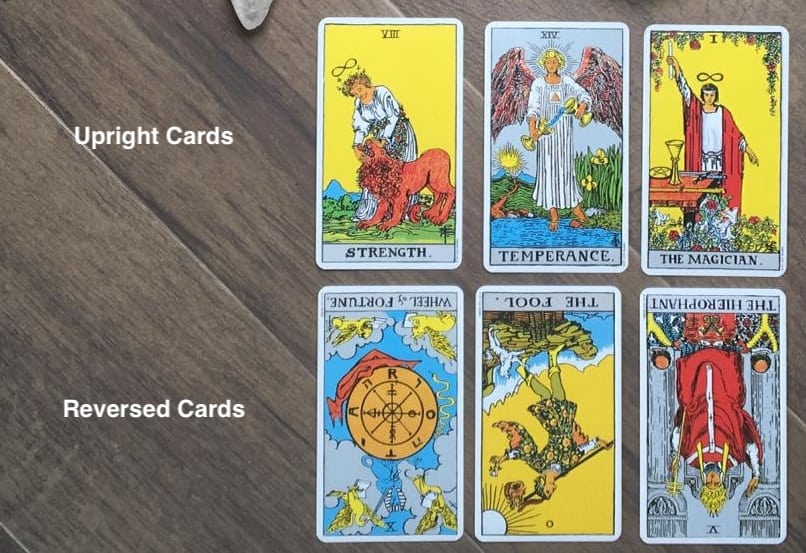
From a psychological standpoint, reversed tarot cards align closely with Carl Jung’s concept of the shadow self—the unconscious aspects of our personality that we repress or deny. When a card appears reversed, it’s often bringing these shadow elements to light. For example, the upright Strength card embodies courage and compassion, but reversed, it may reveal inner turmoil, self-doubt, or a struggle to control emotions. This isn’t a flaw—it’s an opportunity for integration.
Reversed cards can also act as a diagnostic tool for the psyche. The reversed Eight of Swords might indicate feeling trapped by your own thoughts, while the reversed Hermit could suggest isolation or a reluctance to seek guidance. These cards don’t just reflect external circumstances; they reveal the internal narratives that shape our reality. By acknowledging the shadow side of a card, you’re essentially doing shadow work—confronting the parts of yourself that need healing or transformation.
This psychological depth is what makes reversed tarot cards so compelling. They don’t just predict the future; they illuminate the present, offering a roadmap to self-awareness. Whether you’re using tarot for divination or personal growth, reversed cards challenge you to dig deeper, ask harder questions, and embrace the full spectrum of your humanity.
Common Misconceptions About Reversed Cards
One of the biggest misconceptions about reversed tarot cards is that they’re always negative. While they often highlight challenges, they can also signal subtle shifts, internal growth, or the need for a different perspective. Another myth is that reversed cards are less important than upright ones. In reality, they’re just as vital—they offer a counterbalance to the upright meanings, providing a more nuanced understanding of the tarot’s message.
Some readers avoid using reversed cards altogether, preferring to focus solely on the upright meanings. While this is a valid approach, it can limit the tarot’s depth. Reversed cards add texture to a reading, revealing the layers beneath the surface. They’re not to be feared; they’re to be embraced as part of the tarot’s rich tapestry. Another misconception is that reversed cards always indicate a “bad” outcome. In truth, they’re more about the journey than the destination—they show where you might be stumbling, not where you’re doomed to fail.
Practical Tips for Reading Reversed Tarot Cards
If you’re new to reversed tarot cards, start by shuffling your deck and pulling a single card each day. Note whether it appears upright or reversed, and journal about how its meaning resonates with your current experiences. Over time, you’ll develop a personal relationship with the reversed cards, recognizing their unique language in your life.
Another helpful tip is to combine upright and reversed meanings. For example, if you draw the Five of Cups upright, it might indicate loss, but reversed, it could suggest acceptance or moving on. You can also use reversed cards as a cue to ask yourself deeper questions. If the Nine of Swords appears reversed, instead of panicking about nightmares, ask: What fears am I avoiding? What can I do to ease my mind?
Don’t forget to trust your intuition. The tarot is a tool for self-discovery, and your inner wisdom is the most important guide. If a reversed card feels positive to you, lean into that interpretation. The tarot’s power lies in its ability to adapt to your unique perspective.
Conclusion: Embracing the Tarot’s Shadow Side
Reversed tarot cards are not just a quirk of the deck—they’re a gateway to deeper understanding. They challenge us to look beyond the obvious, to confront our shadows, and to embrace the full spectrum of our experiences. Whether they appear as warnings, invitations, or mirrors, reversed cards add richness to the tarot’s language, making each reading a unique and personal journey.
As you continue to explore the world of reversed tarot, remember that there’s no single “right” way to interpret them. The beauty of the tarot lies in its fluidity, its ability to adapt to your life and your questions. So the next time a card appears upside down, don’t turn away—lean in. The shadow side of the tarot is where the most profound transformations happen.
FAQ
What do reversed tarot cards mean?
Reversed tarot cards reveal hidden aspects of situations, highlighting internal struggles and the shadow self.
Are reversed cards always negative?
No, while they often indicate challenges, they can also signify internal growth and the need for a different perspective.
How should I interpret reversed tarot cards?
Focus on the card’s core energy and how its reversal alters that energy, considering both upright and reversed meanings.
FAQ
What does it mean when a tarot card is reversed?
A reversed tarot card indicates a different interpretation, often highlighting internal struggles, blocked energy, or the need for introspection.
Are reversed tarot cards always negative?
No, reversed cards can signify subtle shifts or internal growth and are not always indicative of negative outcomes.
FAQ
What does it mean when a tarot card is reversed?
A reversed tarot card indicates a different interpretation, often highlighting internal struggles, blocked energy, or the need for introspection.
Are reversed tarot cards always negative?
No, reversed cards can signify subtle shifts or internal growth and are not always indicative of negative outcomes.
Leave a Reply