Short Answer
In this comprehensive guide, you will explore the profound meaning behind the Death tarot card, a card often misunderstood due to its ominous name. Despite its title, the Death card is not about literal death but symbolizes transformation, rebirth, and significant life changes. You will learn about its symbolism, interpretations in different tarot decks, and how it influences readings across various contexts. Whether you are a beginner or an experienced tarot reader, this guide will provide valuable insights into one of the most powerful cards in the tarot deck.
The Symbolism of the Death Tarot Card
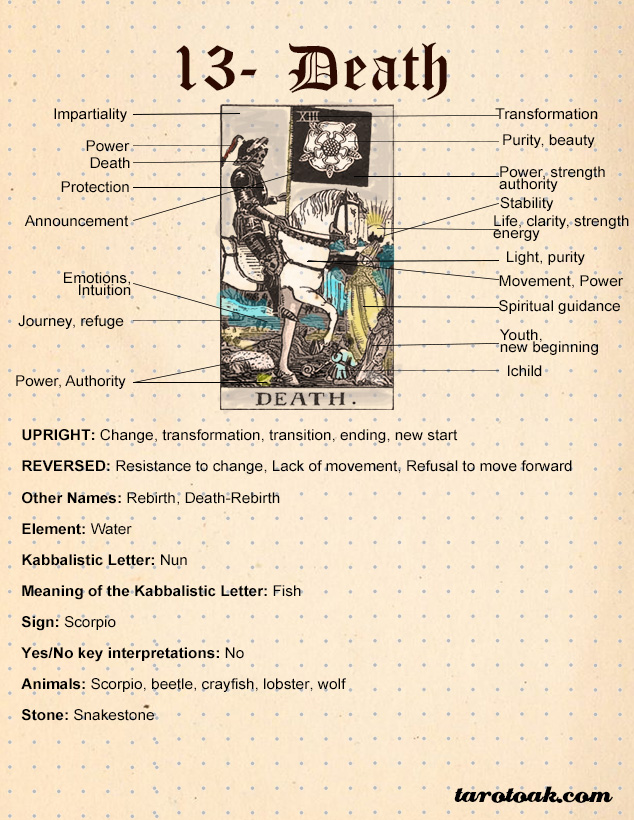
The Death tarot card is rich in symbolism, each element representing a facet of transformation and renewal. Typically, the card features a skeletal figure riding a white horse, often holding a black flag adorned with a white rose. The skeletal figure symbolizes the inevitability of change and the end of cycles, while the white horse represents purity and the transition to a new phase. The black flag with a white rose signifies the balance between life and death, suggesting that endings are necessary for new beginnings. The rising sun in the background further emphasizes rebirth and hope, indicating that transformation leads to a brighter future.
In many decks, the background includes fallen figures, which may represent outdated beliefs, habits, or relationships that must be released to make way for growth. The card’s imagery underscores the idea that death is not an end but a transformation—a shedding of the old to make room for the new. Understanding these symbols can deepen your interpretation of the Death card in a reading.

Interpretations Across Different Tarot Decks
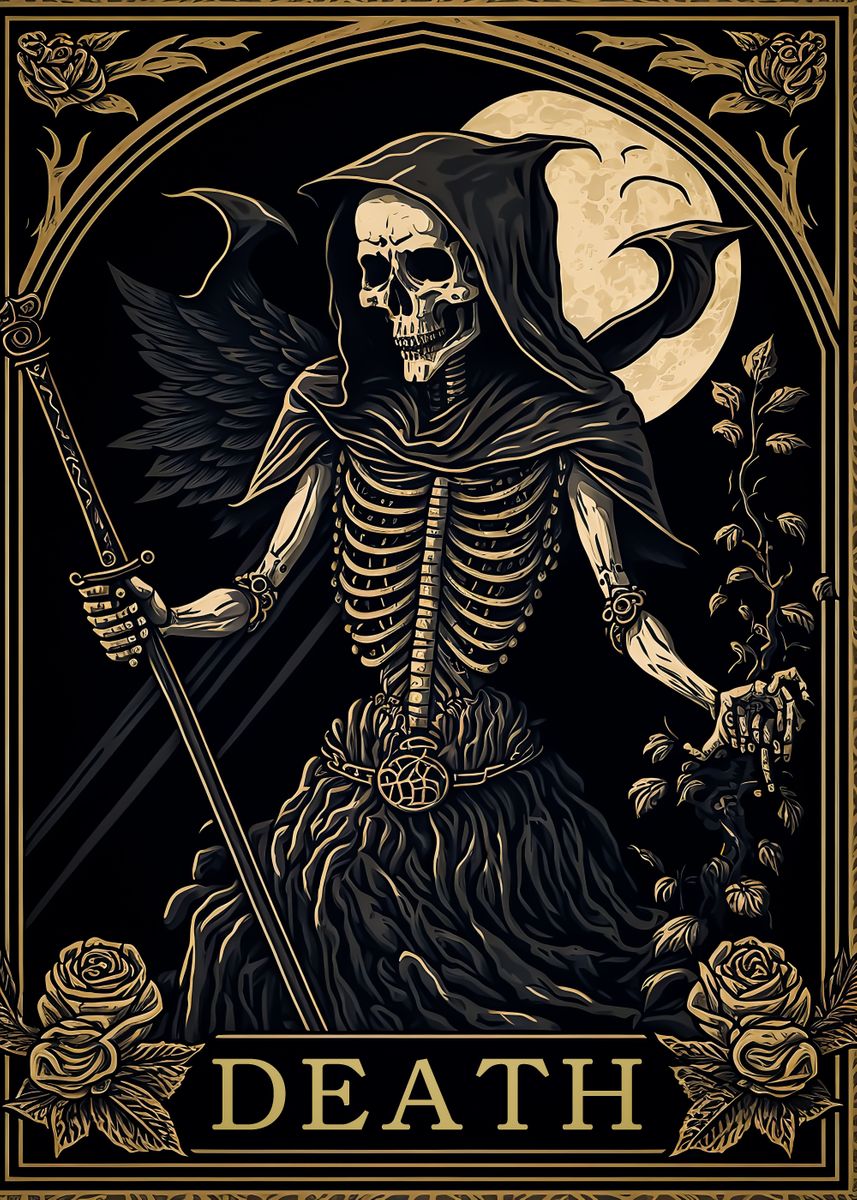
The Death tarot card’s meaning can vary slightly depending on the deck, as each artist brings their unique perspective to the imagery. In the Rider-Waite-Smith deck, the card’s traditional symbolism is most prominent, with the skeletal figure and white horse clearly conveying transformation. However, modern decks like the Thoth tarot or the Wild Unknown tarot may present the Death card with different artistic styles and additional layers of meaning.
For example, the Thoth tarot’s Death card, titled “Art,” emphasizes the alchemical process of transformation, suggesting that change requires effort and intention. In contrast, the Wild Unknown tarot’s Death card features a black bird, symbolizing the release of old patterns and the emergence of new perspectives. Exploring these variations can enrich your understanding of how the Death card functions in different spiritual and cultural contexts.
How the Death Card Appears in Readings
The Death tarot card can appear in various positions within a spread, each offering unique insights into the querent’s life. When it appears in the past position, it suggests that a significant transformation has already occurred, paving the way for current circumstances. In the present position, it indicates that change is underway or imminent, urging the querent to embrace the process. If it appears in the future position, it signals that a major transition is on the horizon, encouraging preparation and openness to new possibilities.
In relationship readings, the Death card may indicate the end of a phase, such as a breakup or a shift in dynamics, but it also promises renewal and growth. In career readings, it could signify a change in profession, the end of a project, or the need to let go of outdated goals. The Death card’s message is clear: transformation is necessary for progress, and resistance to change may lead to stagnation.
Common Misconceptions About the Death Card
One of the most pervasive misconceptions about the Death tarot card is that it predicts physical death or tragedy. This misunderstanding stems from the card’s name and dramatic imagery, but in reality, the Death card is about metaphorical endings and rebirth. It is not a harbinger of doom but a symbol of necessary change, such as leaving a toxic job, ending a harmful relationship, or releasing old beliefs that no longer serve you.
Another misconception is that the Death card always signifies a negative event. While it can indicate challenging transitions, it also carries a message of hope and renewal. The card reminds us that endings are a natural part of life and that they create space for new opportunities, growth, and transformation. By reframing the Death card as a catalyst for positive change, you can approach it with a more balanced and constructive mindset.
Practical Ways to Embrace the Death Card’s Energy
If the Death tarot card appears in your reading, it may be a sign to reflect on areas of your life that require transformation. Start by identifying habits, relationships, or situations that no longer align with your highest good. Letting go of these elements can be difficult, but it is essential for personal growth. Journaling, meditation, or even a symbolic ritual, such as burning old letters or decluttering your space, can help you release what no longer serves you.
Embracing the Death card’s energy also involves cultivating resilience and adaptability. Change can be unsettling, but it often leads to unexpected blessings. Surround yourself with supportive people, engage in self-care practices, and remain open to new experiences. Trust that the transformation the Death card represents is leading you toward a more authentic and fulfilling life.

Conclusion
The Death tarot card is a powerful symbol of transformation, rebirth, and the natural cycles of life. Far from predicting doom, it encourages you to embrace change as a necessary and often liberating force. By understanding its symbolism, interpreting its appearance in readings, and dispelling common misconceptions, you can harness the Death card’s energy to foster personal growth and renewal. Whether it appears in your readings or resonates with your current life circumstances, remember that the Death card is a reminder that endings are merely the precursors to new beginnings. Approach change with an open heart and mind, and trust that the transformation it brings will lead you to a brighter, more authentic path.
FAQ
What does the Death tarot card symbolize?
It symbolizes transformation, rebirth, and the natural cycle of endings and new beginnings.
Is the Death card always a negative sign?
No, while it indicates endings, it also represents hope, renewal, and growth.
How does the Death card affect relationship readings?
It may indicate the end of a phase or relationship but also promises renewal and new growth.
Can the meaning of the Death card vary by tarot deck?
Yes, different decks highlight various aspects of transformation and may use unique symbolism.
Leave a Reply