Short Answer
If you’ve ever wondered about the subtle yet profound differences between angel tarot cards and traditional tarot cards, this guide is for you. Many people are drawn to these divination tools, often noticing that angel cards feel more comforting and straightforward, while tarot cards seem more complex and layered. What lies beneath this observation? Why do some individuals feel a stronger connection to one over the other? By exploring the meanings, purposes, and energies behind angel tarot cards, you’ll gain a deeper understanding of how these tools can serve your spiritual journey. Whether you’re a seasoned reader or a curious beginner, this guide will illuminate the unique roles each type of card plays in divination and personal growth.
Understanding Angel Tarot Cards: A Bridge Between Heaven and Earth
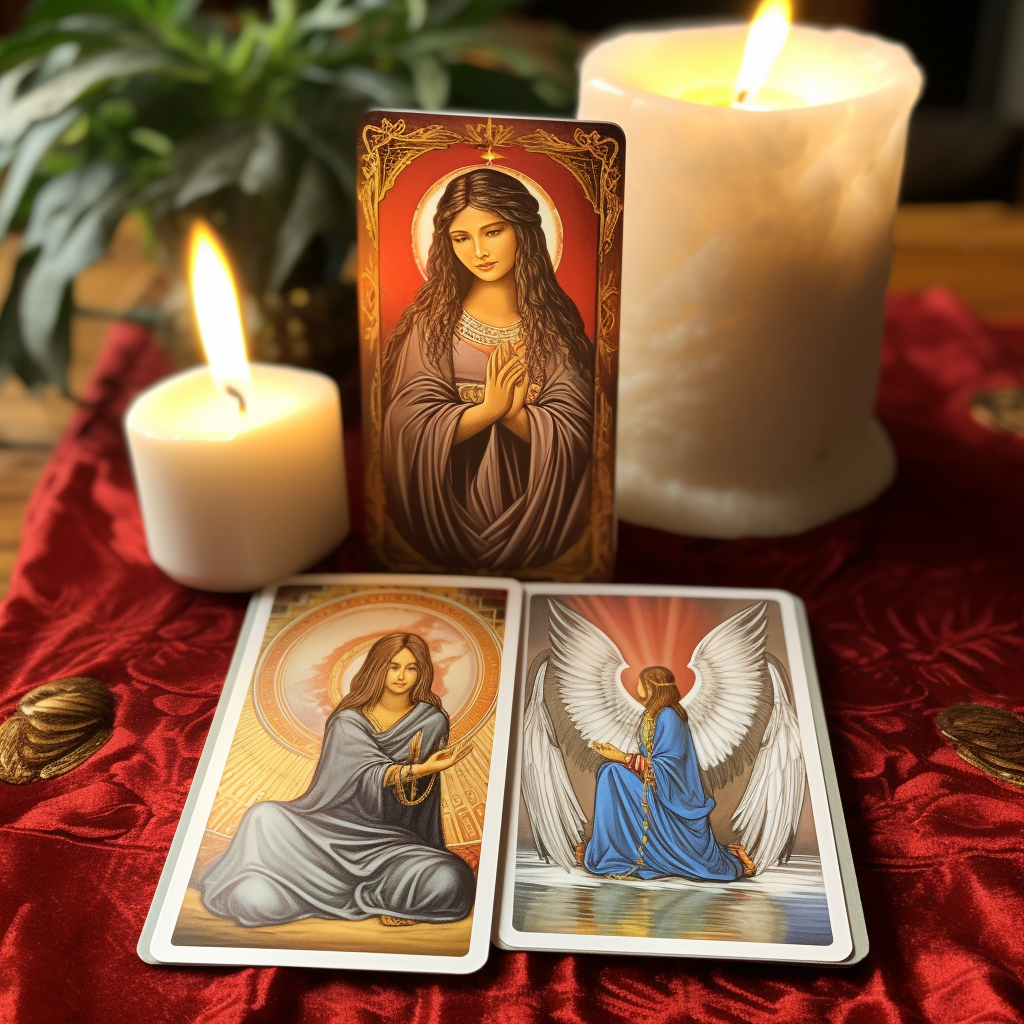
Angel tarot cards are a blend of traditional tarot symbolism and angelic guidance. Unlike standard tarot decks, which often feature archetypal figures and esoteric imagery, angel tarot decks incorporate divine messengers—angels—into their visual and symbolic language. These cards are designed to evoke a sense of divine presence, offering reassurance, clarity, and a gentle nudge toward spiritual alignment.
The imagery in angel tarot cards typically includes soft colors, ethereal beings, and uplifting symbols like halos, wings, and celestial light. This aesthetic creates an immediate emotional response, making the cards feel more accessible and less intimidating than traditional tarot. For many, this visual and emotional appeal is a key reason for their fascination—angel tarot cards feel like a direct line to comforting, benevolent forces.
At their core, angel tarot cards serve as a reminder that you are never alone. They encourage trust in divine timing and the idea that higher powers are guiding you, even in moments of uncertainty. This can be particularly appealing to those who seek solace in spirituality but feel overwhelmed by the complexity of traditional tarot systems.
The Role of Traditional Tarot Cards: Depth and Complexity in Divination
Traditional tarot cards, such as the Rider-Waite-Smith or Thoth decks, are steeped in centuries of esoteric tradition. Each card carries layers of meaning, from numerology and astrology to elemental correspondences and archetypal stories. This depth allows for highly personalized interpretations, making tarot a versatile tool for self-reflection, problem-solving, and spiritual exploration.
Unlike angel tarot cards, which often provide straightforward, uplifting messages, traditional tarot cards can feel more challenging. The Major Arcana, for example, represents significant life themes and karmic lessons, while the Minor Arcana delves into everyday situations with nuanced symbolism. This complexity is what draws many to tarot—the cards don’t just offer answers; they invite you to engage deeply with your subconscious and the mysteries of life.
For some, the challenge of interpreting tarot cards is part of their allure. The process of drawing cards, meditating on their meanings, and weaving together a narrative can feel like a spiritual puzzle. This active engagement fosters a sense of empowerment, as the reader becomes an active participant in their own divination rather than a passive recipient of messages.
Key Differences Between Angel Tarot and Traditional Tarot Cards
While both angel tarot and traditional tarot cards serve as tools for divination and spiritual growth, they cater to different needs and preferences. Below are the key distinctions that set them apart:
- Purpose and Tone: Angel tarot cards are designed to uplift and comfort, often providing gentle guidance and reassurance. Traditional tarot cards, on the other hand, can be more direct or even confrontational, challenging the reader to face deeper truths.
- Imagery and Symbolism: Angel tarot decks feature soft, celestial imagery with angels, light, and divine symbols. Traditional tarot decks incorporate rich, symbolic artwork that draws from mythology, alchemy, and esoteric traditions.
- Complexity of Interpretation: Angel tarot cards are generally easier to interpret, making them ideal for beginners or those seeking quick, clear messages. Traditional tarot cards require more study and intuition, offering a richer but more complex reading experience.
- Emotional Resonance: Many people feel an immediate emotional connection to angel tarot cards due to their comforting and hopeful imagery. Traditional tarot cards may evoke a wider range of emotions, from curiosity to unease, depending on the cards drawn.
Understanding these differences can help you choose the right tool for your spiritual practice. If you’re seeking solace and gentle guidance, angel tarot cards may be your ideal companion. If you’re drawn to depth, challenge, and personal growth, traditional tarot cards might resonate more deeply with you.
Why Are People Fascinated by Angel Tarot Cards?
The fascination with angel tarot cards often stems from a universal longing for connection—to something greater than ourselves. In a world filled with uncertainty and chaos, the idea of receiving messages from benevolent, divine beings is deeply comforting. Angel tarot cards tap into this desire, offering a sense of safety and divine support.
Additionally, the visual and emotional appeal of angel tarot cards makes them highly accessible. The soft colors, serene imagery, and uplifting messages create an inviting entry point into divination for those who might feel intimidated by traditional tarot. This accessibility fosters a sense of inclusivity, allowing more people to explore spirituality without feeling overwhelmed.
Another reason for their popularity is the cultural shift toward holistic and intuitive practices. As more people turn to spirituality for guidance and healing, angel tarot cards provide a gentle yet powerful way to connect with the divine. They serve as a reminder that spirituality doesn’t have to be complicated or intimidating—it can be a source of comfort, hope, and inspiration.
How to Use Angel Tarot Cards in Your Spiritual Practice
Incorporating angel tarot cards into your spiritual routine can be a transformative experience. Here are some practical ways to use them:
- Daily Draws: Pull a single card each morning to set an intention or receive guidance for the day. Focus on the message and how it applies to your current situation.
- Meditation and Visualization: Use the cards as focal points during meditation. Visualize the angelic figure or symbol on the card and ask for divine guidance or clarity on a specific question.
- Journaling: Write about the card you’ve drawn, exploring its symbolism, emotions, and any intuitive insights that arise. Over time, you’ll develop a deeper relationship with the cards and your spiritual path.
- Healing and Comfort: When facing challenges or emotional turmoil, use angel tarot cards to remind yourself of your inner strength and the presence of divine support. The cards can serve as a comforting anchor during difficult times.
Remember, the key to working with angel tarot cards is to approach them with an open heart and mind. Trust the messages you receive, and allow the cards to guide you toward greater clarity and peace.
Conclusion
Angel tarot cards and traditional tarot cards each offer unique gifts to those who seek spiritual guidance. While angel tarot cards provide comfort, reassurance, and a gentle connection to the divine, traditional tarot cards offer depth, challenge, and a rich tapestry of symbolic meaning. The choice between the two ultimately depends on your personal needs and spiritual inclinations.
Whether you’re drawn to the serene imagery of angel tarot or the intricate symbolism of traditional tarot, both tools can serve as powerful allies on your spiritual journey. By understanding their differences and embracing their unique qualities, you can harness their energies to foster growth, healing, and a deeper connection to the divine.
As you explore these cards, allow yourself to be guided by intuition and curiosity. The messages you receive are not just random—they are reflections of your inner world and the universe’s wisdom. Trust in the process, and let the cards illuminate your path.
FAQ
What are angel tarot cards?
Angel tarot cards blend traditional tarot symbolism with angelic imagery to offer comforting and uplifting messages for spiritual guidance.
How do angel tarot cards differ from traditional tarot cards?
Angel tarot cards provide simpler, more reassuring messages with celestial imagery, while traditional tarot cards are more complex, featuring archetypes and esoteric symbolism.
Who should use angel tarot cards?
They are ideal for beginners or anyone seeking gentle guidance and emotional support in their spiritual practice.
What is the purpose of traditional tarot cards?
Traditional tarot cards serve as tools for deep self-reflection, spiritual exploration, and uncovering subconscious insights through complex symbolism.
How can I incorporate angel tarot cards into my daily routine?
You can use them for daily card draws, meditation focus, journaling insights, or finding comfort during challenging times.
Leave a Reply