Short Answer
In the realm of Tarot, the Chariot card stands as a formidable presence, embodying themes of triumph, control, and movement. But what does this powerful symbol mean, especially when viewed through a Christian lens? One might wonder: can the essence of the Chariot harmonize with the foundational tenets of Christianity, or does it pose a challenge to traditional beliefs?
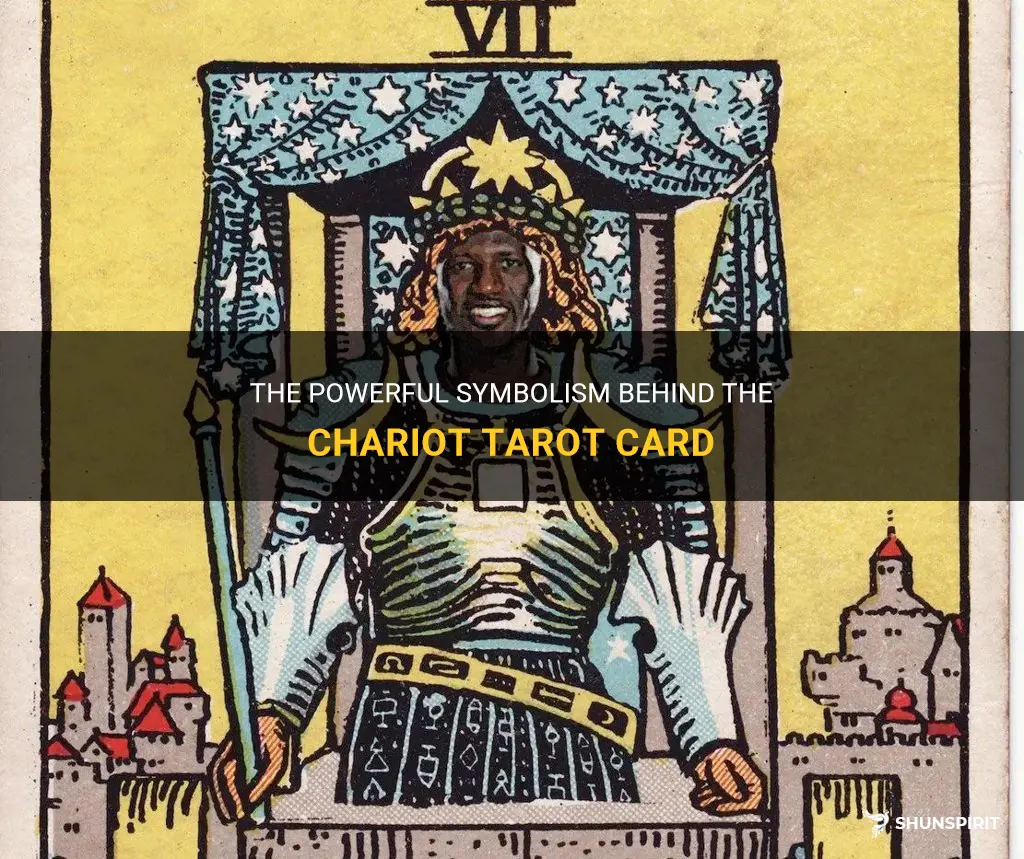
The Chariot is often depicted as a majestic vehicle drawn by two sphinxes or horses, which can be interpreted as the duality of opposing forces. In a Christian context, this imagery can evoke reflections on the struggle between different aspects of human nature. How does one reconcile these divergent paths? The pursuit of divine will is often fraught with internal conflict, much like the charioteer guiding the powerful steeds that threaten to veer off course.
At its core, the Chariot symbolizes victory through discipline and willpower. In Christianity, one might draw parallels to biblical notions of perseverance and faith. Consider the scripture from Philippians 4:13: “I can do all things through Christ who strengthens me.” This verse serves as a reminder that divine assistance is essential to harness personal strength, much like the charioteer relies on inner resolve to steer the chariot towards its destination.
However, the concept of control as illustrated by the Chariot raises pertinent questions. How does one maintain dominion over their life’s journey without succumbing to pride or arrogance? For Christians, humility is paramount. Stepping into the charioteer’s role can signify an acknowledgment of one’s strengths while recognizing the unwavering influence of God in guiding those strengths. This duality invites reflection on the fine line between self-assurance and self-aggrandizement.
The Chariot also signifies movement and progress. In faith, this can resonate profoundly. The journey of a Christian is often one of continual growth and overcoming obstacles. Just as the charioteer advances with purpose, so must Christians endeavor to push forward despite adversity. Romans 5:3-5 reminds believers that “suffering produces perseverance; perseverance, character; and character, hope.” The Chariot embodies this idea: the struggles faced along the path can cultivate stronger faith and character.
Another poignant element of the Chariot is the notion of balance. The dichotomy of the opposing forces — often interpreted as spirit and matter, or faith and doubt — is vital for a balanced existence. In Christian practice, this balance manifests itself in the challenge of living out one’s faith in a secular world. The horses pulling the chariot can represent the tension between worldly desires and spiritual calling. Are Christians equipped to manage these competing urges? This inquiry challenges believers to reflect on their own lives, considering how to steer their path amidst various influences.
Moreover, the card signifies the attainment of goals, urging reflection on one’s aspirations. For Christians, the pursuit of a righteous life is a lifelong endeavor. What aspirations align with divine will? The Chariot encourages believers to set meaningful objectives grounded in faith. However, it also raises the issue of whether ambition may sometimes lead one astray from their spiritual commitments. The ethical implications of ambition in the Christian journey warrants exploration and discernment.
Moreover, it is imperative to consider how communal aspects of faith interplay with individual journeys. The Chariot, while a symbol of personal victory, also necessitates support from fellow believers. In Christianity, fellowship and community are essential for encouragement. The metaphor of the chariot can suggest that while the individual drives their own journey, they are not alone on the road. The fellowship acts as a collective force that provides strength and accountability.
As one delves deeper, it becomes apparent that the Chariot card serves as not only a tool for personal reflection but also as a catalyst for exploring broader theological themes. The journey is not solely about personal triumph; it’s also about the broader narrative of salvation and grace. Is it possible that the Chariot mirrors the Christian journey toward sanctification — a continuous journey of aligning oneself with God’s will, overcoming sin, and seeking redemption?
In conclusion, the Chariot card encapsulates profound themes that offer a unique perspective when viewed through a Christian lens. It invites introspection on the nature of control, ambition, and the pursuit of balance. By posing thought-provoking questions and challenges, it encourages believers to assess their spiritual journeys and how they navigate the multifaceted aspects of their faith. Ultimately, the Chariot represents not just a vehicle of triumph, but a powerful metaphor for the dynamic journey of faith, as Christians strive to move forward with purpose while remaining anchored in divine guidance.
FAQ
What does the Chariot tarot card represent in general?
The Chariot tarot card represents victory, control, movement, and the overcoming of obstacles through discipline and willpower.
How is the Chariot card interpreted from a Christian perspective?
It is interpreted as symbolizing faith, perseverance, humility, and the spiritual journey of aligning with God's will while managing internal conflicts and external challenges.
What are some biblical scriptures related to the Chariot card's themes?
Philippians 4:13 and Romans 5:3-5 emphasize strength through Christ and the development of perseverance and hope through trials, paralleling the card's meanings.
What does the Chariot card teach about balance?
It teaches the importance of balancing opposing forces such as faith and doubt, spirit and matter, to steer one's life with purpose and integrity.
How does ambition relate to the Chariot card in Christianity?
Ambition is encouraged when aligned with divine will, but the card warns against pride and urges reflection to keep spiritual commitments intact.
Leave a Reply