Short Answer
Welcome to a deep dive into the fascinating interplay between the Chief of Blades (often associated with the King of Swords in tarot) and the Child card (linked to the Page of Swords or the Fool in angelic and tarot readings). This guide explores how these archetypes interact, the questions they pose, and the challenges they introduce when drawn together. Whether you’re a seasoned reader or a curious seeker, understanding this dynamic can unlock powerful insights into decision-making, communication, and personal growth.
The Chief of Blades: Mastery of Intellect and Clarity
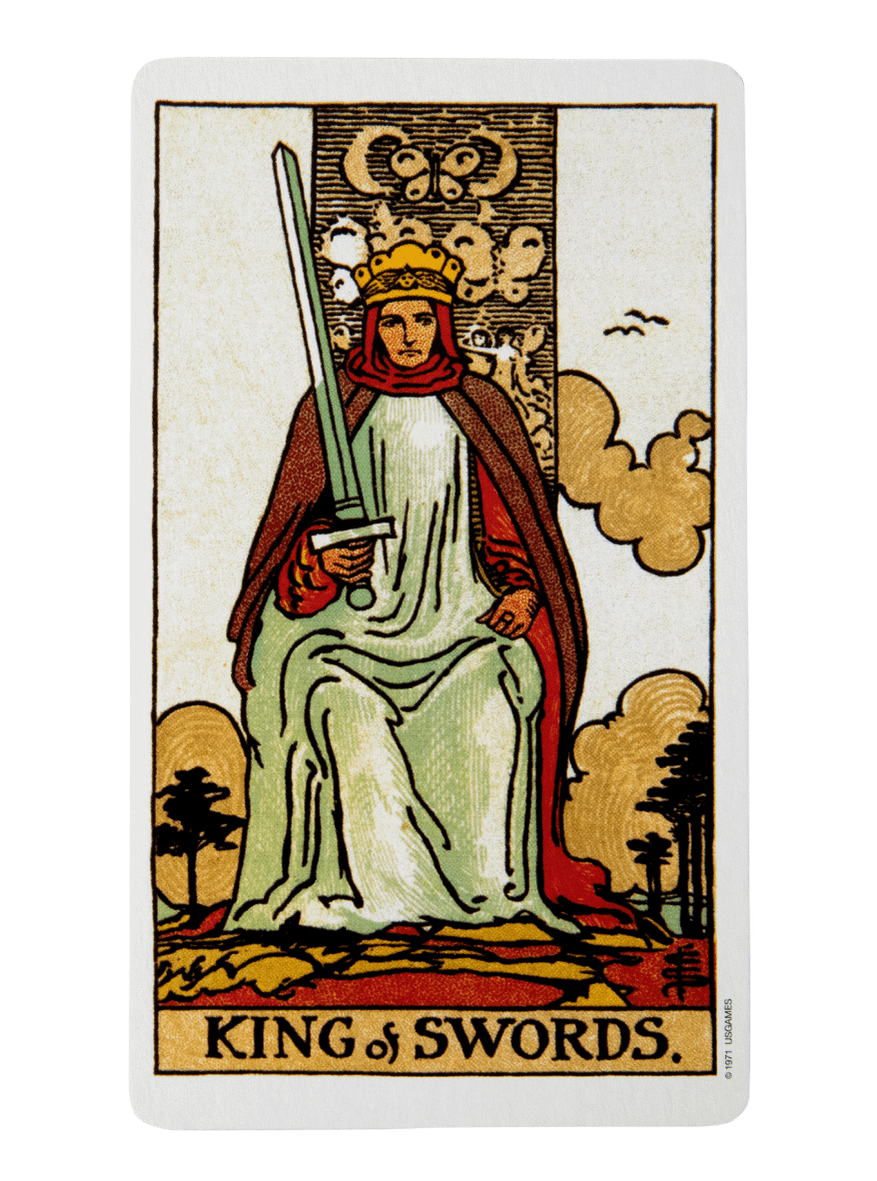
The Chief of Blades, commonly represented by the King of Swords in tarot, embodies intellectual authority, sharp wit, and decisive action. This card is a symbol of mental clarity, logic, and the ability to cut through confusion with precision. The Chief of Blades is not just a thinker but a strategist—someone who weighs options carefully before acting. In readings, this card often appears when you need to approach a situation with a rational, unbiased perspective. It encourages you to embrace your inner wisdom and communicate with honesty, even if the truth is uncomfortable.
When the Chief of Blades appears, it may signal a time to take charge of your mental faculties. Are you overcomplicating a decision? This card urges you to trust your intellect and act with confidence. However, its energy can also become rigid or overly critical if unchecked. The challenge lies in balancing sharp judgment with empathy—knowing when to lead with logic and when to soften your approach.
The Child Card: Innocence, Curiosity, and New Beginnings
The Child card, often linked to the Page of Swords or the Fool in angelic and tarot traditions, represents innocence, curiosity, and the spark of new ideas. This archetype is unburdened by cynicism, approaching life with wonder and a willingness to learn. The Child card invites you to ask playful, open-ended questions and explore possibilities without fear of failure. It’s a reminder that growth often begins with a single step—or in this case, a single question.
In readings, the Child card can signify a fresh perspective, a new project, or even a childlike approach to problem-solving. It challenges you to embrace spontaneity and trust your instincts. However, its energy can also be naive or impulsive if taken to extremes. The key is to harness its enthusiasm while grounding it in wisdom. When paired with the Chief of Blades, the Child card introduces a dynamic tension: the balance between raw potential and disciplined execution.
Posing a Playful Question: The Dance of the Chief and Child
When the Chief of Blades and the Child cards appear together, they create a powerful dialogue between intellect and innocence. This pairing often poses a playful yet profound question: How can you approach life’s challenges with both wisdom and wonder? The Chief of Blades brings structure, while the Child brings curiosity—together, they form a balanced approach to problem-solving.
For example, if you’re facing a career decision, the Chief of Blades might advise you to analyze the pros and cons meticulously, while the Child card encourages you to ask, “What if I tried something unexpected?” This dynamic can lead to creative solutions that neither card could achieve alone. The playful question here is: Where can you infuse joy and spontaneity into your plans without losing sight of your goals?
In relationships, this pairing might ask: How can you communicate with both clarity and kindness? The Chief of Blades ensures you speak your truth, while the Child reminds you to listen with an open heart. The challenge is to avoid the pitfalls of either extreme—overthinking or impulsivity—and find a middle path.
Introducing a Potential Challenge: The Clash of Logic and Instinct
While the Chief of Blades and the Child cards complement each other, their energies can also clash if not balanced properly. The Chief of Blades may dismiss the Child’s ideas as frivolous, while the Child might see the Chief’s logic as stifling. This tension can manifest as indecision, frustration, or a feeling of being torn between two opposing forces.
For instance, if you’re starting a new venture, the Chief of Blades might urge you to plan every detail meticulously, while the Child card urges you to “just do it” without overthinking. The challenge here is to recognize when to trust your intellect and when to trust your instincts. Over-reliance on the Chief of Blades can lead to rigidity, while over-reliance on the Child can lead to recklessness. The key is to integrate both energies—using the Chief’s wisdom to guide the Child’s enthusiasm.
Another potential challenge is communication. The Chief of Blades may come across as cold or overly critical, while the Child might struggle to articulate its ideas clearly. This dynamic can create misunderstandings or hurt feelings. The solution is to practice empathy—letting the Chief of Blades soften its edges and the Child refine its expression.
Practical Applications: How to Work with These Energies
To harness the power of the Chief of Blades and the Child cards, start by asking yourself:
- Where in my life do I need more logic and structure? (Chief of Blades)
- Where can I embrace curiosity and spontaneity? (Child)
- How can I balance these two energies in my decisions?
For example, if you’re working on a creative project, use the Chief of Blades to outline a clear plan, then let the Child card inspire you to add playful, unexpected elements. If you’re in a debate, the Chief of Blades can help you articulate your points with precision, while the Child card reminds you to listen and respond with an open mind.
Journaling can also help. Write down a situation where you feel torn between logic and instinct. Then, explore how you might blend the two—perhaps by setting boundaries (Chief of Blades) while leaving room for creativity (Child).
Conclusion
The Chief of Blades and the Child cards together create a dynamic interplay between intellect and innocence, structure and spontaneity. When these energies are balanced, they can lead to powerful insights, creative solutions, and personal growth. However, their clash can also highlight areas where you need to refine your approach—whether it’s communication, decision-making, or self-expression.
By posing playful questions and embracing the challenges they introduce, you can learn to navigate life’s complexities with both wisdom and wonder. The next time these cards appear in a reading, take a moment to reflect: Where can you invite more curiosity into your plans? Where can you apply structure to your dreams? The answer may just be the key to unlocking your next chapter.
FAQ
What is the symbolism behind the Chief of Blades card?
It symbolizes intellectual authority, clear thinking, and strategic decision-making.
What does the Child card represent in tarot readings?
It represents innocence, curiosity, fresh perspectives, and new beginnings.
How do these cards work together in a reading?
They create a dialogue between intellect and innocence, encouraging balanced decision-making.
What are common challenges when these cards appear together?
Clashes between logic and instinct, potential communication issues, and tension between planning and spontaneity.
How can one apply the messages of these cards practically?
By balancing structured thinking with openness to new ideas and practicing empathy in communication.
Leave a Reply