Short Answer
Have you ever shuffled a deck of tarot cards, only to pause and wonder: What do all 78 of these mysterious symbols actually mean? Whether you’re a curious beginner or a seasoned reader looking to deepen your understanding, this guide is your key to unlocking the full story behind every card in the deck. From the Fool’s leap into the unknown to the World’s grand finale, we’ll explore the rich tapestry of meanings woven into each card—including their upright and reversed interpretations, elemental associations, and how they interact in spreads. By the end, you’ll not only recognize the cards but feel empowered to weave their wisdom into your own life. So, let’s dive in and decode the complete tarot language together.
The Structure of the Tarot: A Map of 78 Archetypes
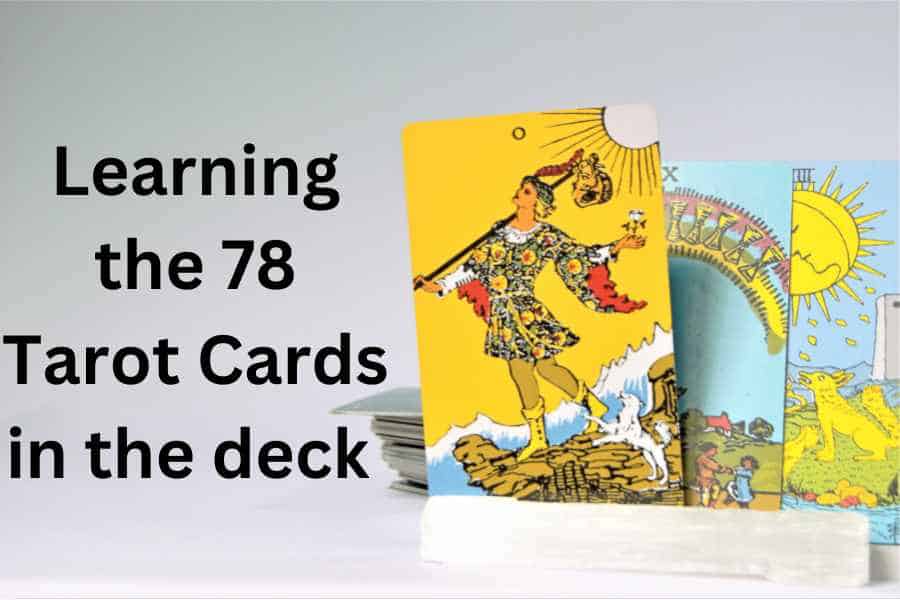
The tarot is more than just a deck of cards—it’s a symbolic universe divided into two main sections: the Major Arcana and the Minor Arcana. The Major Arcana consists of 22 cards, each representing a significant life journey or spiritual lesson. These cards often appear in readings to highlight major themes or turning points. Think of them as the “main characters” of your tarot story. The Minor Arcana, on the other hand, contains 56 cards divided into four suits—Cups, Pentacles, Swords, and Wands—each corresponding to an element and reflecting everyday experiences, challenges, and opportunities. Together, these 78 cards form a complete language of intuition and insight.
Meet the Major Arcana: Your Hero’s Journey Unfolded
The Major Arcana cards tell a story of transformation, from innocence to enlightenment. Starting with The Fool (Card 0), who represents new beginnings and spontaneity, the journey progresses through The Magician (Card I), symbolizing manifestation and skill, to The High Priestess (Card II), the guardian of intuition and hidden knowledge. Each card builds upon the last, culminating in The World (Card XXI), a celebration of completion and wholeness. These cards often appear in readings to signal pivotal moments—career changes, spiritual awakenings, or major decisions. For example, The Tower (Card XVI) may indicate sudden upheaval, while The Star (Card XVII) offers hope and healing after chaos.
Decoding the Minor Arcana: The Daily Drama and Delight
While the Major Arcana sets the stage, the Minor Arcana brings the story to life through the details of daily existence. Each suit—Cups, Pentacles, Swords, and Wands—corresponds to an element and a realm of experience:
- Cups (Water): Emotions, relationships, and intuition. Cards like The Three of Cups celebrate joy and connection, while The Five of Cups may reflect loss or regret.
- Pentacles (Earth): Material world, finances, and stability. The Ten of Pentacles, for instance, signifies legacy and prosperity, while The Page of Pentacles suggests a new opportunity in work or study.
- Swords (Air): Intellect, conflict, and communication. The Ace of Swords represents clarity and truth, while The Three of Swords often points to heartache or betrayal.
- Wands (Fire): Passion, creativity, and ambition. The Six of Wands celebrates victory and recognition, while The Eight of Wands may indicate swift progress or fast-moving events.
Each suit contains 14 cards: Ace through 10, plus four court cards (Page, Knight, Queen, King), which represent personalities or energies within that realm.

Upright vs. Reversed: Two Sides of the Same Coin
Tarot cards can appear upright or reversed (upside down), and each orientation offers a different shade of meaning. An upright card typically reflects its traditional or positive interpretation—The Lovers upright suggests harmony and choices, while The Chariot upright signals determination and victory. Reversed cards, however, often highlight blockages, internal struggles, or the need for introspection. For example, The Emperor reversed may indicate authoritarianism or a lack of structure, while The Hanged Man reversed could suggest resistance to change or stagnation. Learning to read reversals adds depth to your practice, allowing you to see both the light and shadow in any situation.
Elemental Dignities: The Hidden Chemistry of the Cards
Every tarot card is linked to one of the four classical elements—Fire, Water, Air, or Earth—based on its suit and number. These elemental associations influence how cards interact in a spread. For instance, Fire (Wands) and Air (Swords) are compatible, often indicating action and ideas working together, while Water (Cups) and Earth (Pentacles) ground emotions and practicality. Understanding these relationships helps you interpret how cards support or challenge each other. A reading with many Fire cards might suggest a time of high energy and creativity, while an abundance of Water cards could point to emotional undercurrents or intuitive insights.
Common Spreads to Explore the Full Deck
To truly grasp the meaning of all 78 cards, try using them in spreads designed to reveal different layers of insight. The Celtic Cross, a classic 10-card spread, offers a comprehensive view of a situation, while the Horseshoe spread (7 cards) provides clarity on past, present, and future influences. For a deeper dive into personal growth, the 12-card Zodiac spread aligns each position with a zodiac sign, offering tailored advice. Don’t be afraid to experiment—shuffle the deck, set an intention, and let the cards guide your exploration. Remember, there’s no wrong way to read tarot, only new discoveries.
Conclusion: Your Tarot Journey Awaits
The tarot is a living, breathing guide to self-discovery, offering 78 unique perspectives on life’s journey. Whether you’re drawn to the dramatic arc of the Major Arcana or the nuanced stories of the Minor Arcana, each card holds a message waiting to be uncovered. As you familiarize yourself with their meanings, trust your intuition to deepen your connection to the deck. The more you practice, the more the cards will speak to you—not just as symbols, but as companions on your path. So, take a deep breath, shuffle the deck, and let the adventure begin. The wisdom of the tarot is yours to explore.
FAQ
What is the significance of the Major Arcana in tarot?
The Major Arcana consists of 22 cards that represent significant life themes and spiritual lessons, often indicating major events or turning points in a reading.
How do upright and reversed tarot cards differ?
Upright cards reflect their traditional meanings, while reversed cards can indicate blockages, internal struggles, or a need for introspection.

Leave a Reply