Short Answer
Embarking on a journey through the tarot deck, the Devil card emerges as a powerful symbol of toxic attachments, binding chains, and the seductive allure of unhealthy bonds. This guide will unravel the intricate layers of the Devil tarot card, revealing its significance in matters of the heart, self-worth, and personal liberation. You’ll discover how this card exposes the illusions that keep us trapped, the metaphors that define its essence, and the pathways to breaking free from its grip. Whether you’re navigating a tumultuous relationship, questioning your own patterns, or seeking clarity on emotional dependencies, the Devil card offers profound insights into the shadows of attachment.
The Devil Card: A Mirror to Toxic Attachments
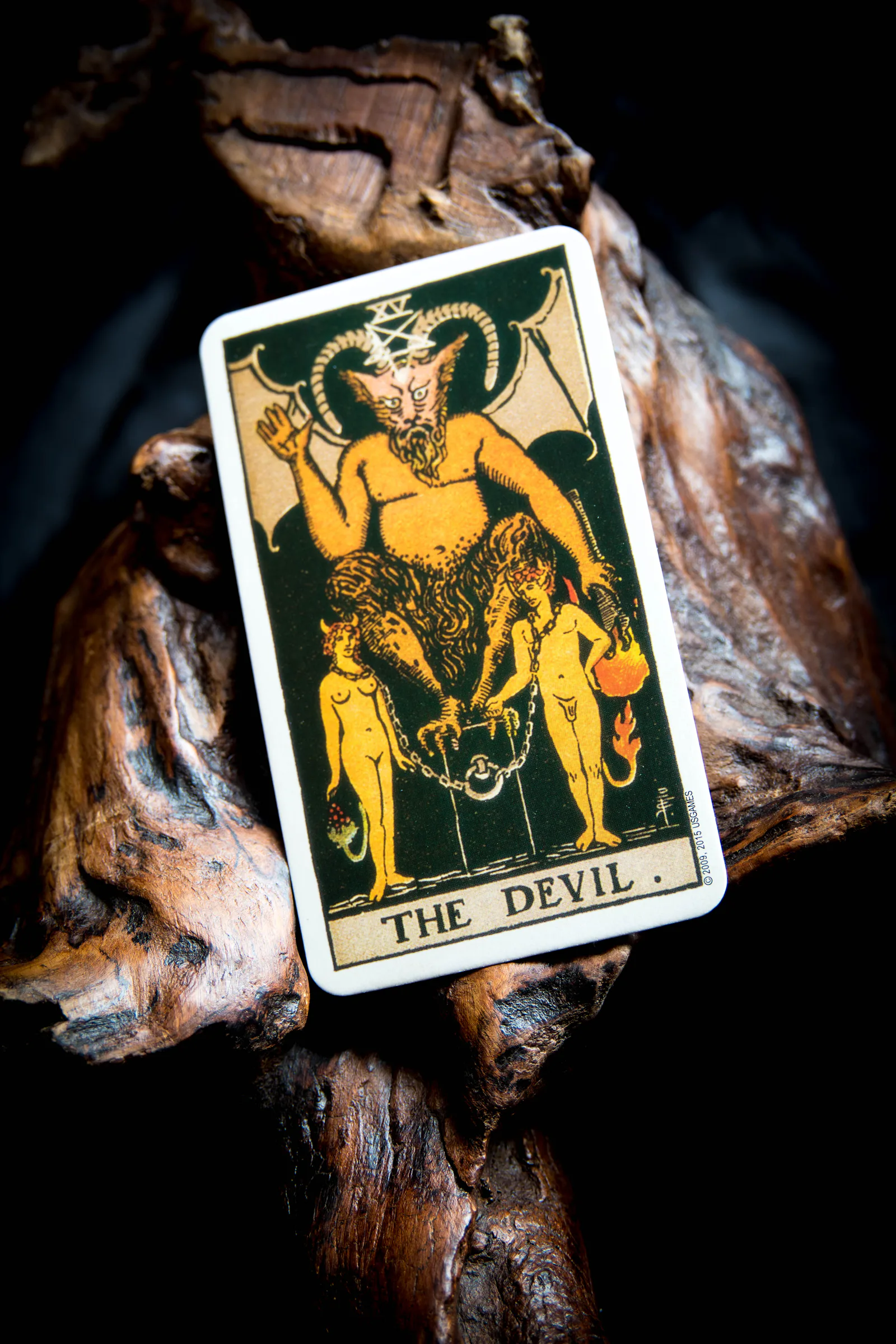
The Devil tarot card is often depicted as a horned figure perched atop a pedestal, flanked by two chained figures at its feet. These chains, though loose, are not broken—symbolizing the illusion of freedom within captivity. The card represents toxic attachments in all forms: codependency, unhealthy relationships, self-destructive habits, or even societal pressures that bind us to expectations. Unlike the innocent chains of the Lovers card, the Devil’s chains are forged from desire, fear, and the unwillingness to let go. This card doesn’t just warn of danger; it forces us to confront the ways we willingly surrender our power to things that no longer serve us.
At its core, the Devil card is a metaphor for the masks we wear to justify our attachments. The figures at its feet may appear content, even blissful, but their chains are a reminder that comfort can be a prison. The card asks: What are you clinging to that is slowly suffocating you? Whether it’s a toxic relationship, a self-sabotaging behavior, or an identity tied to past wounds, the Devil exposes the truth: we often mistake familiarity for safety, even when it’s killing us softly.
The Illusion of Control: How the Devil Distorts Reality
One of the Devil card’s most insidious traits is its ability to distort reality, making us believe we are in control when we are, in fact, enslaved. The card’s imagery—with its inverted pentagram, chains, and clawed hands—hints at the dark alchemy of addiction: the belief that we can stop anytime, that we’re not truly trapped. This illusion is the Devil’s greatest weapon. In relationships, it manifests as the cycle of abuse disguised as passion, or the belief that love alone can heal wounds that require deep, painful work. In personal growth, it might appear as procrastination, denial, or the refusal to acknowledge toxic patterns in our lives.
The Devil thrives in secrecy and shame. It whispers that you are powerless, that change is impossible, or that the devil you know is better than the unknown. Yet, the card’s presence in a reading is a wake-up call. It demands honesty: What are you pretending not to see? The chains are visible to everyone but you, and the first step toward liberation is admitting that you are bound—not by external forces, but by your own choices.
Breaking the Chains: The Path to Liberation
Fortunately, the Devil card is not a life sentence—it is a catalyst for transformation. The chains it depicts are not unbreakable; they are a choice. The card’s message is clear: You are not your attachments. Whether it’s a person, a substance, a habit, or a belief system, the Devil card urges you to examine what you are willing to sacrifice for the illusion of security. Liberation begins with awareness: recognizing the patterns, naming the fears, and refusing to romanticize the chains.
In practical terms, breaking free from the Devil’s grip requires action. This might mean setting boundaries in a toxic relationship, seeking therapy for codependency, or simply walking away from a situation that drains you. The card also highlights the importance of self-love as the antidote to toxic attachment. When you prioritize your well-being, the chains lose their power. The Devil card teaches that true freedom isn’t about escaping pain but about refusing to let it define you.
The Devil in Love and Relationships
In matters of the heart, the Devil card is a stark warning against relationships built on control, obsession, or fear. It doesn’t always signify a literal devil incarnate but rather the dynamics that mimic possession: jealousy, manipulation, or the inability to let go. The card might appear when you’re questioning whether a relationship is truly loving or merely a habit. It asks: Does this connection lift you up or weigh you down? The Devil doesn’t always mean the relationship is doomed—it means it’s time to examine the power dynamics at play.
For those in toxic relationships, the Devil card can be a painful mirror. It forces you to confront the ways you’ve compromised your self-worth for the sake of companionship. But it also offers hope: the chains can be broken. The card’s presence in a reading might signal that it’s time to walk away, to set boundaries, or to demand the respect you deserve. Love should never feel like a cage.
The Devil Within: Shadow Work and Self-Awareness
The Devil card isn’t just about external toxic attachments—it’s also a call to examine the internal ones. What self-destructive patterns do you cling to? Procrastination, self-sabotage, or the refusal to set boundaries are all chains forged by the Devil within. This card asks you to confront the parts of yourself that sabotage your happiness, whether it’s negative self-talk, avoidance, or the belief that you don’t deserve better.
Shadow work is essential when the Devil appears in a reading. This means facing the uncomfortable truths about your behaviors, fears, and insecurities. Journaling, therapy, or even meditation can help you identify the chains you’ve internalized. The Devil card teaches that healing begins when you stop blaming others and start taking responsibility for your own liberation.
Conclusion: The Devil’s Gift of Awakening
The Devil tarot card is often feared, but its true power lies in its ability to expose the illusions that keep us trapped. It doesn’t just warn of danger—it offers a path to freedom. By recognizing the chains, whether they’re in relationships, habits, or self-perception, you take the first step toward breaking them. The Devil card reminds us that liberation isn’t about perfection; it’s about honesty, courage, and the willingness to let go of what no longer serves us.
So when the Devil appears in your reading, don’t shy away. Instead, ask yourself: What am I holding onto that is holding me back? The answer might be the key to unlocking a life unbound—lighter, freer, and truer to yourself.
FAQ
What does the Devil tarot card represent?
The Devil card represents toxic attachments, illusions of freedom, unhealthy relationships, and self-destructive behaviors.
How can the Devil card help in personal growth?
It highlights patterns that trap you and encourages awareness and actions to break free and reclaim personal power.
Is the Devil card always negative?
While it warns of challenges, it also serves as a catalyst for transformation and liberation.
What should I do if the Devil card appears in a love reading?
Examine the relationship for control or obsession, set boundaries, and prioritize self-worth.
How does the Devil card relate to shadow work?
It invites confronting internal fears and destructive patterns to foster healing and self-awareness.
Leave a Reply