Short Answer
In this guide, you’ll explore the deeper meanings behind the Five of Swords in tarot, a card often associated with conflict, rivalry, and the bittersweet taste of victory. You’ll learn how this card reflects not just external battles but also internal struggles, and why its imagery resonates so strongly with those who feel the weight of competition or betrayal. By the end, you’ll understand how to interpret this card in readings and recognize the hidden lessons it offers about human nature and relationships.
Understanding the Five of Swords in Tarot
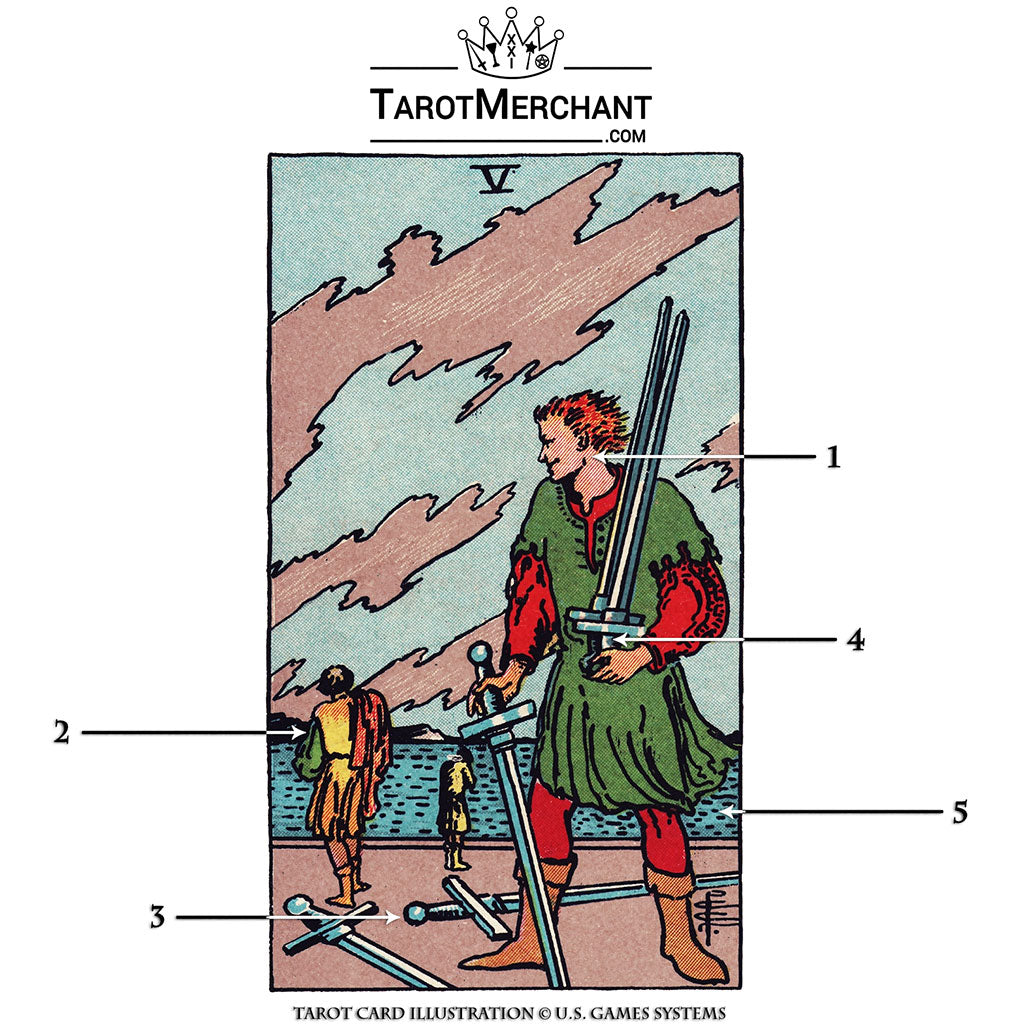
The Five of Swords is part of the Minor Arcana and belongs to the suit of Swords, which represents intellect, communication, and conflict. Unlike other cards in this suit that may focus on clarity or decisive action, the Five of Swords often depicts a scene of aftermath—where victory has been achieved, but at a cost. Typically, the card shows a figure standing over three swords they’ve taken from others, while two swords remain on the ground. The defeated opponents walk away, their heads bowed, suggesting a hollow or unsatisfying win.
This imagery speaks to the duality of victory: while one party may have “won,” the emotional or moral toll is evident. The card doesn’t glorify conflict; instead, it highlights the emptiness that can follow when victory comes at the expense of others. For readers, this means the Five of Swords isn’t just about winning—it’s about questioning why you’re fighting and what you’re willing to sacrifice to claim a prize.
The Symbolism Behind the Five of Swords
Every element in the Five of Swords carries symbolic weight. The three swords the victor holds represent the spoils of their conflict, but their downward-pointing tips suggest instability or a lack of true control. The two discarded swords on the ground imply that the battle wasn’t clean—someone may have surrendered or walked away, leaving behind unresolved tension. The victor’s posture, often upright and triumphant, contrasts sharply with the defeated figures, whose slumped figures convey resignation or defeat.
Colors also play a role in the card’s symbolism. The dominant hues—often blues and grays—reflect cold, calculated decisions rather than warm, passionate ones. The sky may be overcast, reinforcing the idea that this “win” doesn’t bring sunshine or relief. Even the landscape, if visible, might be barren, emphasizing the emotional or spiritual drought that follows such victories. These details remind us that triumph without integrity or empathy leaves a void that’s hard to fill.
Common Interpretations of the Five of Swords
In tarot readings, the Five of Swords rarely appears as a positive omen. Instead, it often signals:
- Conflict and Competition: You may be engaged in a rivalry, whether in work, relationships, or personal goals. This card warns that the battle could leave you emotionally drained, even if you “win.”
- Betrayal or Manipulation: Someone may have acted dishonestly to gain an advantage, leaving you feeling deceived. The card suggests that trust has been broken, and the victory feels tainted.
- Hollow Wins: You might have achieved something you wanted, but it doesn’t bring the satisfaction you expected. The Five of Swords asks: Was it worth it?
- Isolation: Victory in this context can come at the cost of relationships. You may feel alone in your success, with others resenting or avoiding you.
When upright, the card leans into these themes of conflict and regret. Reversed, it can indicate a refusal to engage in petty battles or a realization that the “win” wasn’t as important as you thought. Either way, the Five of Swords challenges you to reflect on your motivations and the consequences of your actions.
Why the Five of Swords Fascinates People
The Five of Swords holds a peculiar allure because it taps into universal human experiences: the desire to win, the fear of losing, and the moral dilemmas that arise when ambition clashes with ethics. Many people are drawn to this card because it doesn’t offer easy answers. Unlike cards that promise clarity or joy, the Five of Swords forces introspection. It asks uncomfortable questions: Are you fighting for the right reasons? Would you rather have peace than victory?
This card also resonates in modern contexts where competition is glorified—whether in corporate settings, social media rivalries, or even personal relationships. The Five of Swords serves as a mirror, reflecting back the costs of cutthroat behavior. Its imagery is stark and unflinching, making it impossible to ignore the reality it represents. For those who’ve experienced betrayal or one-sided victories, this card can feel like a validation of their pain, offering a way to process complex emotions.
How to Apply the Five of Swords’ Lessons
If the Five of Swords appears in a reading, it’s a call to reassess your approach to conflict. Here’s how to work with its energy:
- Choose Your Battles Wisely: Not every disagreement is worth your energy. Ask yourself if the potential victory aligns with your long-term goals and values.
- Seek Win-Win Solutions: The Five of Swords thrives in zero-sum games, where one person’s gain is another’s loss. Look for ways to collaborate or compromise instead.
- Heal the Aftermath: If you’ve recently “won” at someone else’s expense, take time to reflect on how to repair relationships or make amends. A hollow victory isn’t worth the isolation it may bring.
- Watch for Manipulation: The card can also signal that someone is trying to deceive you. Stay alert to ulterior motives in your dealings with others.
In creative pursuits, the Five of Swords might inspire stories about rivalry, redemption, or the cost of ambition. In personal growth, it can be a catalyst for letting go of grudges or toxic competition. The key is to use its message as a tool for self-awareness rather than a self-fulfilling prophecy of doom.
Conclusion
The Five of Swords is a tarot card that doesn’t sugarcoat the realities of conflict. It strips away the illusion of clean victories and forces us to confront the emotional and ethical fallout of our actions. Whether it appears in a reading about a workplace dispute, a personal rivalry, or an internal struggle, its message is clear: true success isn’t measured by what you take, but by what you leave behind. By recognizing the hollow victories in your life, you open the door to more meaningful wins—ones that don’t come at the cost of your integrity or relationships. In the end, the Five of Swords isn’t just a warning; it’s an invitation to redefine what victory truly means.
FAQ
What does the Five of Swords signify in Tarot?
The Five of Swords signifies conflict, hollow victories, betrayal, and challenges in relationships, prompting reflection on the costs of winning.
How should I interpret the Five of Swords in a reading?
In a reading, the Five of Swords may indicate the need to reassess your approach to conflict and consider the emotional toll of competition.
Leave a Reply