Short Answer
Welcome to your comprehensive guide to understanding the Hierophant tarot card, also known as the House of God. This card, numbered XV in the Major Arcana, is rich with symbolism and spiritual significance. Whether you’re a seasoned tarot reader or a curious beginner, this guide will explore the Hierophant’s meanings, interpretations, and practical applications in readings. You’ll discover its traditional symbolism, reversed meanings, and how it interacts with other cards in a spread. By the end, you’ll have a deeper understanding of this powerful archetype and how to interpret it in your tarot practice.
The Hierophant as a Symbol of Tradition and Spiritual Guidance
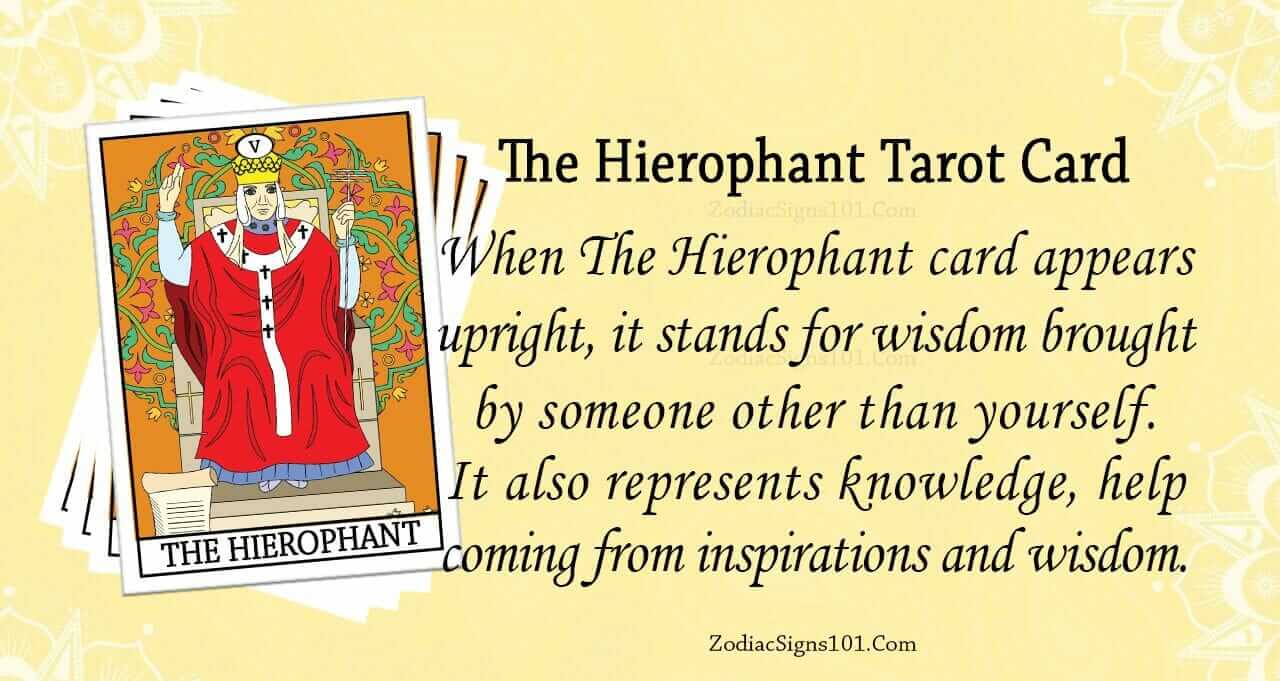
The Hierophant is often depicted as a religious figure, typically a pope or high priest, seated between two pillars in a temple. This imagery represents the bridge between the divine and the earthly realms. The card embodies tradition, spiritual wisdom, and the transmission of knowledge from one generation to the next. It suggests a structured approach to spirituality, emphasizing the importance of rituals, institutions, and established belief systems.
In many decks, the Hierophant holds a triple scepter, symbolizing his authority over the spiritual, temporal, and celestial realms. The two acolytes kneeling before him represent seekers of knowledge, highlighting the card’s theme of learning and mentorship. The Hierophant encourages you to seek guidance from trusted sources, whether through religious institutions, mentors, or established traditions. It reminds you that wisdom is often passed down through generations and that there is value in adhering to time-honored practices.
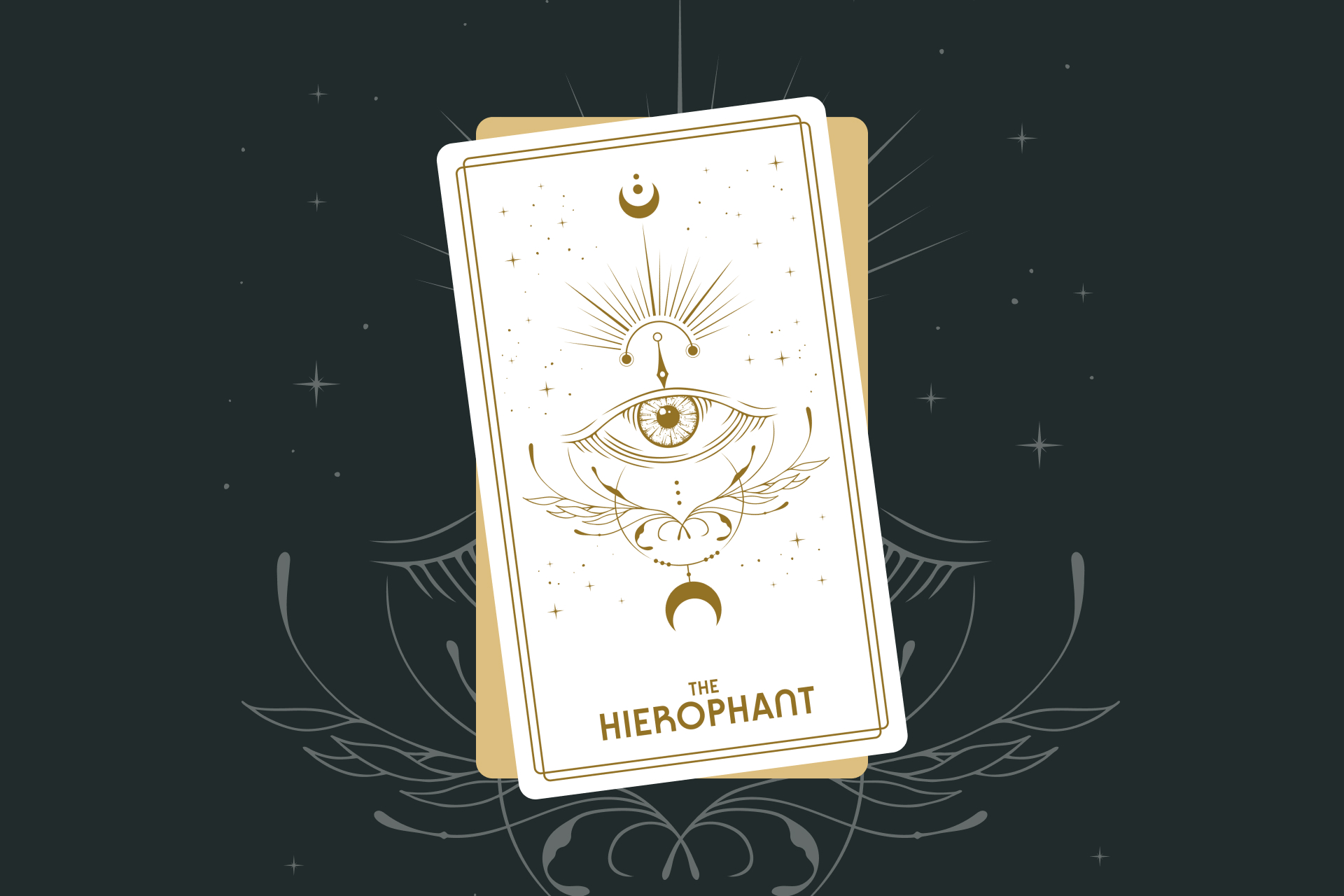
Upright Hierophant Meaning: Conformity, Spiritual Wisdom, and Mentorship
When the Hierophant appears upright in a reading, it signifies a period of learning, spiritual growth, and adherence to tradition. This card often indicates that you are seeking guidance from a mentor, teacher, or spiritual leader. It may also suggest that you are exploring your beliefs and values, possibly within the context of an organized religion or spiritual community. The Hierophant encourages you to embrace structure and discipline as you deepen your understanding of spiritual matters.
In matters of love and relationships, the Hierophant can indicate a traditional partnership, such as marriage or a long-term commitment. It may also suggest that you are looking for a relationship that aligns with your values and beliefs. In career readings, this card can point to a job that involves teaching, mentoring, or working within an established institution. The Hierophant reminds you that sometimes, following the rules and traditions can lead to greater fulfillment and success.
Reversed Hierophant Meaning: Rebellion, Dogma, and Personal Beliefs
When the Hierophant appears reversed, it often signals a challenge to traditional beliefs or a rejection of established systems. This card can indicate that you are questioning authority, whether in the form of religious institutions, societal norms, or even personal mentors. The reversed Hierophant may suggest that you are seeking a more individualistic or unconventional path, one that doesn’t align with conventional wisdom. It can also point to dogma, rigidity, or an over-reliance on external rules without personal reflection.
In relationships, the reversed Hierophant might indicate a struggle with commitment or a desire to break free from traditional expectations. In career readings, it could suggest dissatisfaction with a structured work environment or a need to pursue a more creative or independent path. The reversed Hierophant encourages you to trust your intuition and question whether the beliefs or systems you’ve adopted truly serve your highest good. It’s a call to find your own truth rather than blindly following the crowd.
The Hierophant in Different Tarot Spreads
The Hierophant’s meaning can vary depending on its position in a tarot spread. In a past position, it may indicate that you were deeply influenced by religious or spiritual traditions in your upbringing. In the present position, it suggests that you are currently seeking guidance or exploring your beliefs. In the future position, the Hierophant can indicate a period of mentorship or a significant spiritual lesson on the horizon.
When paired with other Major Arcana cards, the Hierophant’s meaning can shift. For example, alongside the Lovers, it may emphasize commitment within a traditional framework, while with the Fool, it could suggest a need to balance spontaneity with wisdom. In a career spread, the Hierophant with the Emperor might indicate a leadership role within an established organization, whereas with the Magician, it could suggest using your skills to mentor others.

Practical Applications: How to Use the Hierophant in Readings
To interpret the Hierophant in a reading, start by considering its traditional symbolism. Ask yourself: Is the querent seeking guidance? Are they exploring their beliefs within a structured system? Is there a need to adhere to tradition or challenge it? Pay attention to the surrounding cards, as they can provide context for the Hierophant’s message. For example, if the Hierophant appears with the High Priestess, it may suggest a blend of structured and intuitive spiritual practices.
In a love reading, the Hierophant can indicate a traditional relationship or a need for commitment. In career readings, it might point to a job in education, counseling, or a religious institution. If the Hierophant appears in a health reading, it could suggest the importance of routine, discipline, or seeking professional advice. Remember that the Hierophant is not just about blind conformity; it’s about finding wisdom in tradition while also honoring your personal truth.
Conclusion
The Hierophant is a powerful card that invites you to explore the balance between tradition and personal truth. Whether upright or reversed, it offers valuable insights into your spiritual journey, relationships, and life path. By understanding its symbolism and applying its lessons, you can navigate challenges with wisdom and discernment. The Hierophant reminds you that while tradition and structure have their place, your personal beliefs and intuition are equally important. Use this guide as a foundation for your tarot practice, and let the Hierophant’s wisdom guide you toward deeper spiritual understanding.
FAQ
What does the Hierophant card represent in tarot?
The Hierophant represents tradition, spiritual guidance, and the transmission of knowledge. It symbolizes a structured approach to spirituality and often indicates the importance of mentorship and established belief systems.
What does the Hierophant mean when reversed?
When reversed, the Hierophant signals a challenge to traditional beliefs, questioning authority, and a desire for individualistic paths. It suggests a rejection of dogma and encourages personal reflection.
Leave a Reply