Short Answer
Are you ready to embark on a journey of self-discovery and growth? In this guide, we’ll explore the powerful Six of Swords tarot card, a symbol of transition, healing, and moving forward. Whether you’re facing a major life change, seeking clarity, or simply curious about what this card means for you, this article will provide insights, interpretations, and practical advice. By the end, you’ll have a deeper understanding of how the Six of Swords can guide you through challenging times and help you embrace new beginnings.
Understanding the Six of Swords: A Symbol of Transition
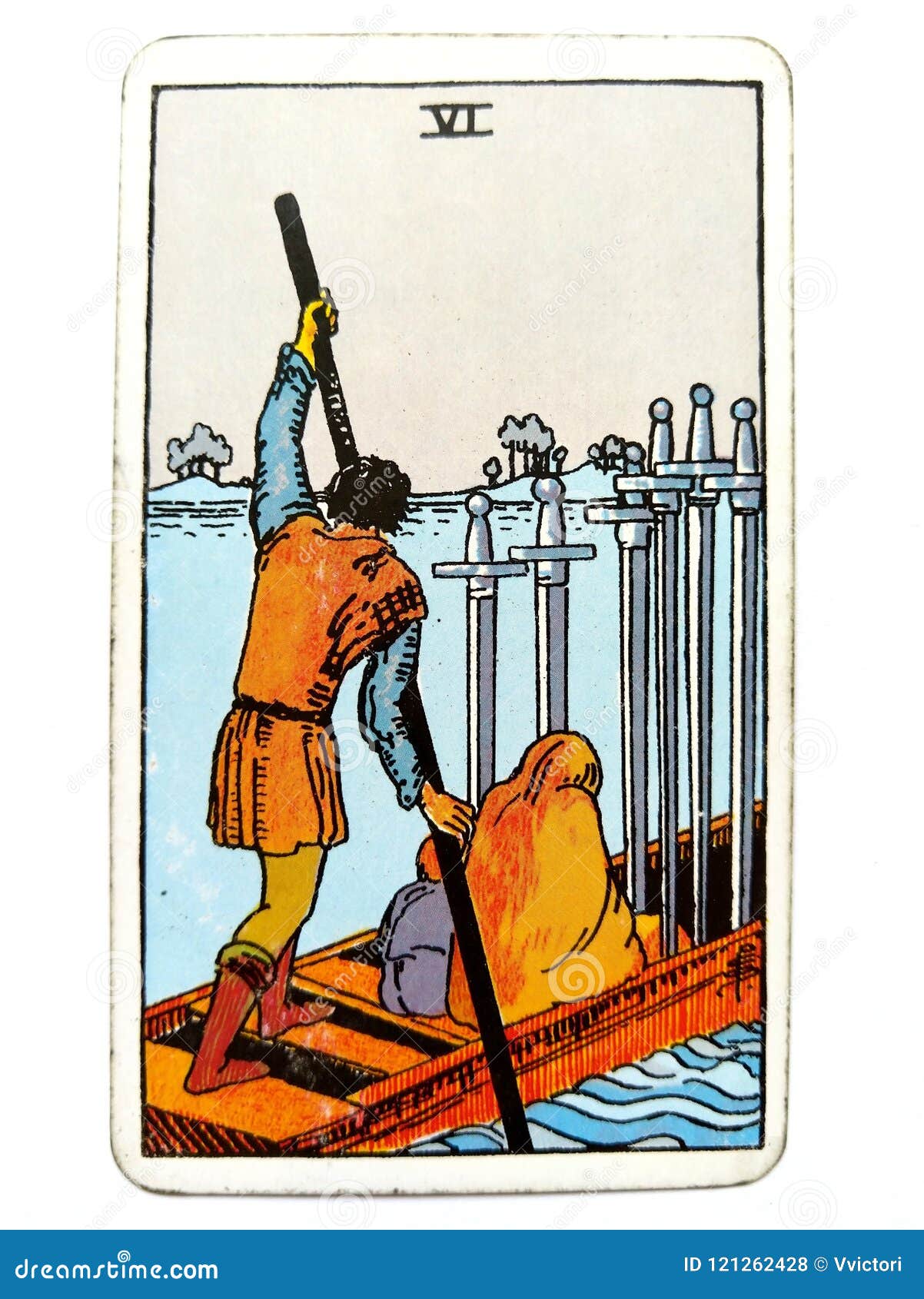
The Six of Swords is a tarot card that represents movement, progress, and the journey from one phase of life to another. Often depicted as a boat carrying passengers across calm waters, this card signifies a period of transition where you’re leaving behind old burdens, challenges, or emotional baggage. The calm waters suggest that while the change may feel slow or gradual, it’s steady and purposeful. This card encourages you to trust the process, even if the destination isn’t immediately clear.
In a reading, the Six of Swords can indicate that you’re in the midst of a significant shift—whether it’s leaving a toxic relationship, moving to a new place, or overcoming a personal struggle. The key takeaway is that this transition is necessary for your growth. However, it’s important to recognize that moving on doesn’t mean forgetting the past; instead, it’s about carrying forward the lessons you’ve learned while leaving behind what no longer serves you.
Ask yourself: What am I ready to leave behind to make space for new opportunities? The Six of Swords invites you to reflect on the changes you’re experiencing and how they align with your long-term goals. It’s a reminder that progress, even when slow, is still progress.
Poses a Playful Question: Are You Rowing or Just Drifting?
The Six of Swords isn’t just about passively floating along—it’s about intentional movement. Imagine you’re in a boat, and the waters are calm, but the journey still requires effort. This card poses a playful yet profound question: Are you actively rowing toward your goals, or are you just drifting without direction? While the Six of Swords suggests that the transition will happen, your role in the process matters. You can’t just sit back and expect change to magically occur; you need to take action, even if it feels small or slow.
Consider the areas of your life where you might be waiting for things to improve without putting in the work. Are you avoiding difficult conversations? Procrastinating on a project? Holding onto resentment that’s weighing you down? The Six of Swords encourages you to take the oars and steer your life in the direction you want to go. It’s a call to be proactive rather than passive.
Try this exercise: Write down one small step you can take today to move closer to your goal. It could be as simple as researching a new opportunity, reaching out to someone who can help, or letting go of a grudge. The act of taking action, no matter how minor, reinforces the message of the Six of Swords—that you have the power to shape your journey.
Introduces a Potential Challenge: The Weight of the Past
While the Six of Swords is a card of moving forward, it also acknowledges that the past can sometimes feel like a heavy burden. The passengers in the boat are often depicted with their backs turned to the shore they’re leaving behind, symbolizing the reluctance to fully let go. This can be a challenge: How do you move on when part of you still clings to what was? Whether it’s nostalgia, regret, or fear of the unknown, these emotions can slow down your progress or make the transition feel incomplete.
One of the biggest challenges tied to the Six of Swords is the temptation to look back. You might find yourself wondering, “What if I made the wrong choice?” or “Will I regret this decision?” These thoughts are natural, but they can also keep you stuck. The card reminds you that looking back too often can capsize your boat—literally and metaphorically. Instead, focus on the horizon ahead and trust that you’re heading in the right direction.
To overcome this challenge, practice mindfulness and grounding techniques. When you catch yourself dwelling on the past, gently redirect your thoughts to the present moment. Ask yourself: What can I learn from my past that will help me in the future? This shifts the focus from regret to growth, aligning with the Six of Swords’ message of progress.

Another way to address this challenge is to create a ritual for closure. This could be writing a letter to release old emotions, having a final conversation with someone you’re parting ways with, or even a symbolic gesture like burning a piece of paper that represents what you’re leaving behind. Rituals can help you honor the past while making space for the future.
Practical Advice: How to Embrace the Energy of the Six of Swords
The Six of Swords is a card of action and intention, so how can you harness its energy in your daily life? Here are some practical steps to make the most of this transition:
- Set Clear Intentions: Before you begin your journey, whether it’s a literal move or a metaphorical one, define what you want to achieve. Write down your goals and the steps you’ll take to reach them. This clarity will keep you focused and motivated.
- Release What No Longer Serves You: Take inventory of the habits, relationships, or beliefs that are holding you back. Letting go can be scary, but it’s essential for growth. Consider decluttering your space, forgiving someone (or yourself), or simply acknowledging that some things are meant to stay in the past.
- Stay Patient but Persistent: The Six of Swords acknowledges that progress can be slow, but it also reminds you that every step counts. Celebrate small wins along the way, and don’t be discouraged if the journey feels long. Trust that you’re exactly where you need to be.
- Seek Support: Transition periods can feel lonely, but you don’t have to go through them alone. Reach out to friends, family, or a mentor who can offer guidance or simply listen. Sometimes, just knowing that others believe in you can make all the difference.
- Reflect Regularly: Use journaling or meditation to check in with yourself. Ask: Am I still aligned with my goals? What adjustments do I need to make? Reflection helps you stay on track and make course corrections as needed.
Conclusion: Trust the Journey
The Six of Swords is a powerful reminder that life is a series of transitions, and each one brings you closer to the person you’re meant to become. While the journey may feel slow or uncertain at times, remember that you’re not just drifting—you’re moving with purpose. The challenges you face, whether it’s the weight of the past or the fear of the unknown, are part of the process. Embrace them as opportunities to grow and learn.
As you navigate your own Six of Swords journey, keep this card’s message close to your heart: You are capable of healing, moving forward, and creating a brighter future. Trust the process, take intentional steps, and don’t look back unless it’s to learn from the past. The calm waters ahead are waiting for you.
FAQ
What does the Six of Swords tarot card represent?
The Six of Swords represents transition, healing, and moving forward, often indicating a necessary change in one’s life.
How can I apply the Six of Swords to my life?
You can apply the Six of Swords by setting clear intentions, releasing what no longer serves you, and actively participating in your journey.
Leave a Reply