Short Answer
In this comprehensive guide, you’ll explore the concept of the Reversed Wheel of Fortune—a symbol of misfortune, stagnation, and the challenges that arise when luck turns against you. Whether you’re encountering this tarot card in a reading or simply fascinated by its symbolic meaning, this article breaks down its significance across different contexts. From tarot interpretations to real-life examples of bad luck spirals, you’ll discover what to expect when the Wheel of Fortune reverses its course. By the end, you’ll have a deeper understanding of how to navigate these tough periods and recognize the lessons hidden within the chaos.
The Reversed Wheel of Fortune: A Symbol of Bad Luck
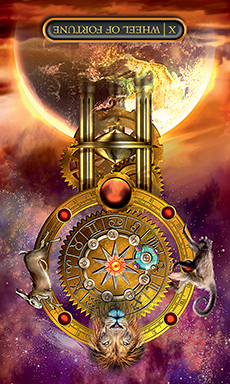
The Wheel of Fortune is one of the most recognizable tarot cards, often associated with cycles, fate, and the ups and downs of life. When it appears reversed, however, its meaning shifts dramatically. Instead of smooth transitions or fortunate turns, the Reversed Wheel of Fortune signals a period of bad luck, setbacks, or feeling trapped in a cycle of misfortune. This card suggests that external forces—whether luck, timing, or circumstances—are working against you, making progress feel slow or impossible.
In tarot readings, the Reversed Wheel of Fortune can indicate a lack of control over your situation. You might feel like you’re being pulled in different directions without making headway, or that luck has abandoned you just when you needed it most. This card doesn’t necessarily mean permanent doom; rather, it’s a warning to reassess your approach and recognize that the cycle will eventually turn again. The key is to avoid despair and focus on what you can control while waiting for the tide to shift.
Common Scenarios Where the Reversed Wheel of Fortune Appears
The Reversed Wheel of Fortune isn’t just a tarot concept—it manifests in real-life situations where bad luck seems to compound. For example, someone might experience a string of failures at work, such as missed promotions, failed projects, or even layoffs, despite their best efforts. In relationships, this card can reflect a period of repeated conflicts, misunderstandings, or feeling unappreciated by a partner. Financial struggles, health setbacks, or unexpected obstacles in personal goals are also common themes tied to this reversed energy.
Another scenario is the feeling of being stuck in a rut. You might have a goal you’re passionate about, but every attempt to move forward is met with roadblocks. This could be due to external circumstances, like economic downturns, or internal factors, such as self-doubt or fear of failure. The Reversed Wheel of Fortune serves as a reminder that these challenges are temporary, but they require patience and resilience to overcome. It’s a call to stay adaptable and avoid rigid thinking that could worsen the situation.
How the Reversed Wheel of Fortune Differs from the Upright Card
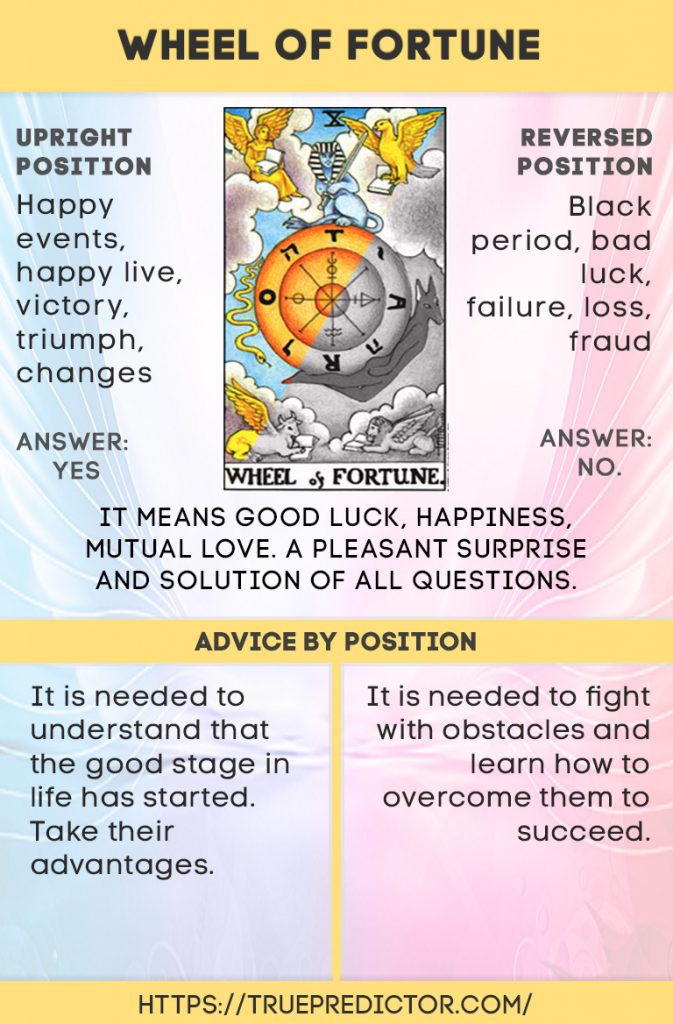
To fully grasp the Reversed Wheel of Fortune, it’s helpful to compare it to its upright counterpart. The upright Wheel of Fortune represents progress, destiny, and the natural flow of life’s cycles. It suggests that change is inevitable and often for the better, encouraging you to trust the process. In contrast, the reversed version highlights the darker side of these cycles—stagnation, bad luck, and the frustration of feeling powerless.
While the upright card might indicate a sudden opportunity or a fortunate turn of events, the reversed card warns of delays, setbacks, or even deception. For instance, an upright Wheel of Fortune could signal a promotion or a new beginning, whereas the reversed version might hint at a missed chance or a project that falls through at the last minute. The key difference lies in the perception of control: the upright card empowers you to embrace change, while the reversed card urges you to prepare for challenges and avoid complacency.
Psychological and Emotional Impact of the Reversed Wheel of Fortune
Beyond its symbolic meaning, the Reversed Wheel of Fortune can have a profound psychological impact. It’s easy to feel demoralized when luck seems consistently against you, leading to frustration, anxiety, or even depression. The emotional toll of this card can manifest as a sense of helplessness, where you feel like no matter what you do, the outcome will be unfavorable. This mindset can create a self-fulfilling prophecy, where fear of failure leads to actual setbacks.
To counter these feelings, it’s important to reframe the Reversed Wheel of Fortune as a temporary phase rather than a permanent state. Practicing mindfulness, seeking support from loved ones, or even journaling about your experiences can help you process the emotions tied to this card. Additionally, focusing on small, manageable goals can rebuild your confidence and remind you that progress is still possible, even if it’s slow. The reversed card teaches resilience by showing you how to endure tough times without losing sight of hope.
Practical Steps to Navigate the Reversed Wheel of Fortune
When faced with the challenges of the Reversed Wheel of Fortune, taking proactive steps can help you regain a sense of control. Start by identifying the areas of your life where bad luck seems most persistent. Is it your career, relationships, or personal growth? Once you pinpoint the issue, break it down into smaller, actionable tasks. For example, if you’re struggling financially, focus on budgeting or exploring side income rather than waiting for a miracle. If a relationship is strained, initiate open communication instead of assuming the worst.
Another strategy is to diversify your efforts. Relying on a single path—whether it’s a job, a relationship, or a goal—can make setbacks feel catastrophic. By spreading your energy across multiple areas, you reduce the risk of feeling crushed by a single failure. Additionally, practice gratitude for the small wins, even if they seem insignificant. This can shift your mindset from one of lack to one of abundance, making it easier to weather the storm.

Cultural and Historical Perspectives on the Reversed Wheel of Fortune
The concept of the Wheel of Fortune has roots in ancient mythology and philosophy, where fate was often depicted as an unpredictable force. In medieval times, the Wheel of Fortune was a popular symbol in art and literature, representing the rise and fall of individuals and empires. The reversed aspect of this card ties into the idea that luck is not always fair or just—it can be cruel, arbitrary, and relentless. This historical context adds depth to the tarot interpretation, showing that the struggles symbolized by the reversed card are not unique to modern times but have been part of human experience for centuries.
In popular culture, the Reversed Wheel of Fortune often appears in stories where characters face relentless misfortune. For example, in the YouTube video titled “Sidemen – FORFEIT WHEEL OF FORTUNE Reversed,” the comedic group experiences a series of absurd and unfortunate events, highlighting how bad luck can spiral out of control in a humorous yet relatable way. This cultural representation reinforces the idea that the reversed card is a reminder to laugh at life’s absurdities while also learning from the challenges it presents.
Conclusion
The Reversed Wheel of Fortune is a powerful symbol of the challenges and setbacks that come with life’s unpredictable cycles. Whether it appears in a tarot reading, a personal struggle, or a cultural narrative, this card serves as a reminder that bad luck is not permanent. By understanding its meaning, acknowledging its emotional impact, and taking practical steps to navigate its challenges, you can emerge stronger and more resilient. The key is to stay adaptable, maintain hope, and remember that every downturn is followed by an eventual turn of fortune. The Reversed Wheel of Fortune isn’t just about bad luck—it’s about the lessons learned and the growth that comes from enduring tough times.
FAQ
What does the Reversed Wheel of Fortune tarot card mean?
It generally indicates bad luck, delays, setbacks, or feeling stuck in a negative cycle, urging patience and resilience.
How is the Reversed Wheel of Fortune different from the upright card?
While the upright card signals progress and positive change, the reversed card highlights stagnation, misfortune, and challenges.
Can the Reversed Wheel of Fortune mean permanent bad luck?
No, it represents a temporary phase of difficulty and encourages adapting and focusing on controllable factors.
How can I cope with the emotional impact of the Reversed Wheel of Fortune?
Practicing mindfulness, seeking support, setting small goals, and reframing the situation as temporary can help manage negative emotions.
What practical steps can I take when this card appears reversed?
Identify problem areas, break challenges into smaller tasks, diversify efforts, and practice gratitude for small wins.
Leave a Reply