Short Answer
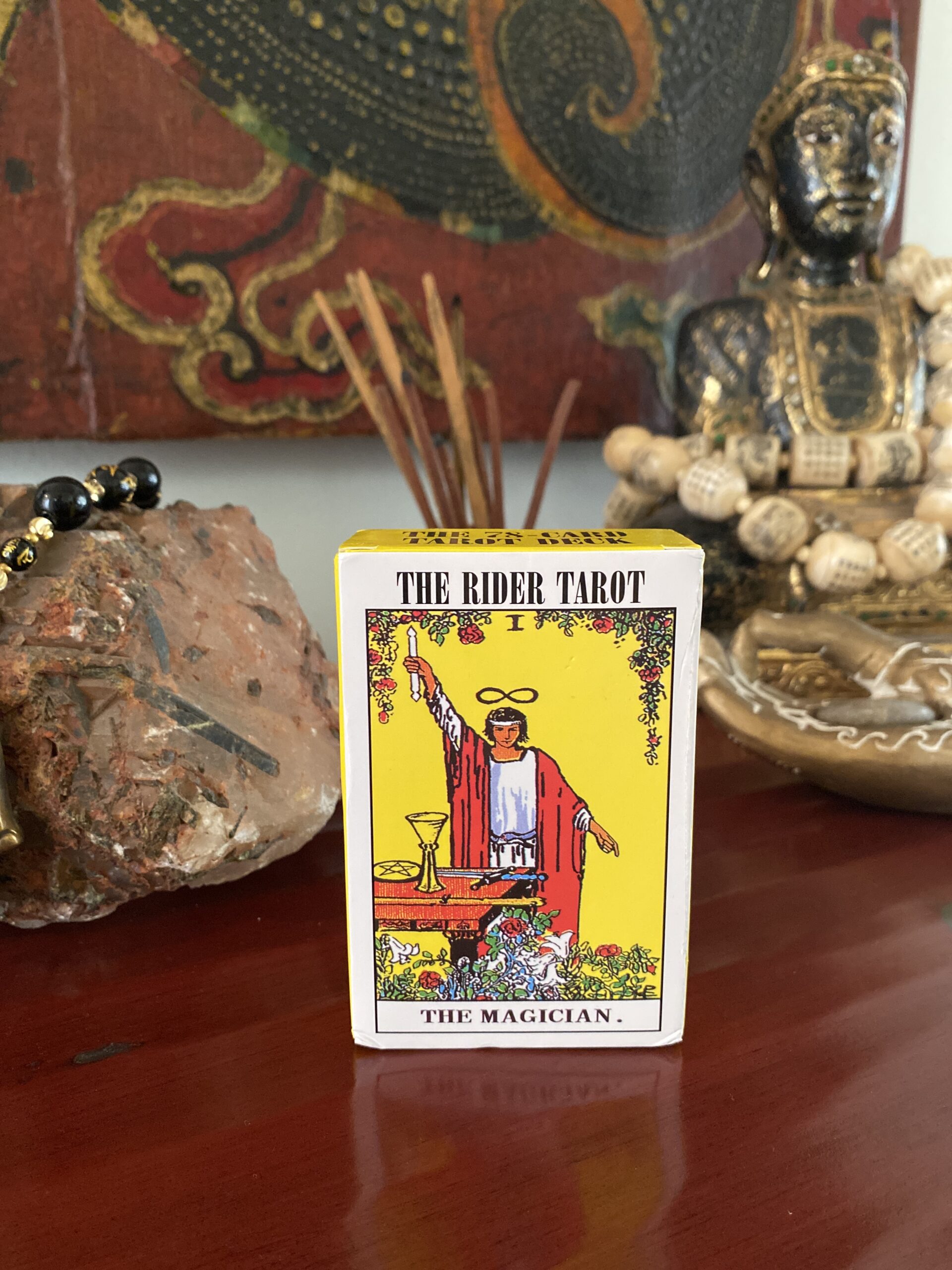
Embarking on your tarot journey can feel overwhelming, especially with the vast array of decks and interpretations available. The Rider Tarot Deck, often referred to as the Rider-Waite-Smith (RWS) deck, stands out as the most accessible and widely recommended starting point for beginners. This guide will explore why this iconic deck is the ideal choice for new readers, how its imagery and symbolism promise a transformative shift in perspective, and how its structure piques curiosity while building foundational skills. By the end, you’ll understand why generations of tarot enthusiasts have begun their practice with this timeless deck.
What Is the Rider Tarot Deck?
The Rider Tarot Deck, first published in 1909, is a 78-card tarot deck created by A.E. Waite and illustrated by Pamela Colman Smith under the guidance of the Rider Company. Often called the Rider-Waite-Smith (RWS) deck, it revolutionized tarot by introducing fully illustrated Minor Arcana cards—a departure from earlier decks where only the Major Arcana featured detailed artwork. This innovation made the deck far more intuitive for beginners, as each card’s imagery tells a story, inviting interpretation without relying solely on memorized meanings.
The deck consists of two main sections: the Major Arcana (22 cards representing significant life themes) and the Minor Arcana (56 cards divided into four suits—Cups, Pentacles, Swords, and Wands—each reflecting everyday experiences). The combination of rich symbolism, clear visual narratives, and a balanced structure makes it the perfect tool for learning tarot’s language.
Why Beginners Should Start with the Rider Tarot Deck
Choosing the right deck is crucial for building confidence and avoiding frustration. The Rider Tarot Deck offers several advantages that make it ideal for newcomers:
- Accessibility: The fully illustrated Minor Arcana removes the guesswork, allowing beginners to grasp card meanings intuitively rather than relying on abstract symbols.
- Widespread Resources: Because it’s the most popular deck, countless books, courses, and online guides cater specifically to the Rider-Waite-Smith system, making learning easier.
- Psychological Depth: The imagery taps into universal archetypes, resonating with Jungian psychology and making the cards relatable across cultures.
- Versatility: Whether used for divination, meditation, or self-reflection, the deck adapts to various practices, from simple one-card pulls to complex spreads.
Starting with this deck ensures you’re learning a system that’s been refined over a century, with a language that’s been spoken by millions of readers worldwide.
How the Rider Tarot Deck Promises a Shift in Perspective
One of tarot’s most profound gifts is its ability to reframe situations, encouraging you to see beyond surface-level interpretations. The Rider Tarot Deck excels at this by embedding dualities and contradictions within its imagery—inviting you to explore multiple angles of a question or challenge. For example:
- The Fool: Represents new beginnings but also naivety; it asks you to consider where you’re taking a leap of faith versus where you might be acting recklessly.
- The High Priestess: Symbolizes intuition and hidden knowledge, yet her veiled gaze reminds you that some truths remain obscured until you’re ready to see them.
- The Five of Swords: Depicts conflict and victory, but also isolation; it prompts reflection on whether winning at all costs is truly a triumph.
By engaging with these cards, you train your mind to recognize patterns, question assumptions, and embrace complexity—skills that extend far beyond tarot into daily decision-making and emotional intelligence.
Piquing Curiosity: The Power of Imagery and Symbolism
The Rider Tarot Deck’s illustrations are masterfully designed to spark curiosity. Unlike decks with minimalist or abstract art, the RWS cards are dense with symbolism, encouraging you to linger on each image and ask questions like:
- What emotions do the colors evoke?
- How do the figures’ postures or expressions convey their story?
- What objects or animals appear, and what might they represent?
For instance, in the Three of Cups, three women dance with cups raised, celebrating joy—but the background hints at potential gossip or imbalance. This duality invites you to explore the nuances of celebration versus excess. Such layers of meaning make the deck endlessly fascinating, ensuring that your learning process remains engaging rather than rote.
Moreover, the deck’s use of elemental correspondences (fire for Wands, water for Cups, etc.) and astrological associations (e.g., The Emperor linked to Aries) provides a gateway to deeper esoteric studies, should you choose to explore them later.
Building Foundational Skills with the Rider Tarot Deck
Mastering tarot begins with understanding the deck’s structure and developing interpretive skills. The Rider Tarot Deck serves as an excellent teacher by:
- Teaching Card Relationships: The interplay between Major and Minor Arcana cards in a spread reveals how grand life themes (Major Arcana) intersect with daily experiences (Minor Arcana).
- Encouraging Intuition: The vivid imagery trains your eye to notice details, fostering trust in your intuitive hits rather than rigidly adhering to guidebook definitions.
- Practicing Storytelling: Each card can be seen as a chapter in a larger narrative, helping you weave coherent stories from random draws—a skill transferable to writing, problem-solving, and communication.
To deepen your practice, try exercises like:
- Card Pairing: Draw two cards and explore their connection. How does one influence the other?
- Daily Draw: Pull one card each morning and reflect on how its message applies to your day.
- Elemental Dignities: Study how the elements (fire, water, air, earth) interact in a spread to refine your interpretations.
Common Misconceptions About the Rider Tarot Deck
Despite its popularity, some misconceptions deter beginners. Let’s address them:
- “It’s too traditional.” While the deck is classic, its symbolism is open to personal interpretation. Modern readers often blend traditional meanings with their own insights.
- “It’s only for divination.” The deck is equally powerful for meditation, shadow work, or creative inspiration. Its imagery serves as a mirror for self-exploration.
- “You must memorize all 78 cards.” Start with the Major Arcana, then gradually familiarize yourself with the Minors. Focus on themes rather than rigid definitions.
Conclusion
The Rider Tarot Deck is more than a tool—it’s a gateway to a richer, more reflective way of engaging with the world. By starting here, you’re not just learning a deck; you’re adopting a language of symbols that has shaped tarot for over a century. The deck’s promise lies in its ability to shift your perspective, inviting you to see challenges as opportunities, questions as journeys, and answers as invitations to deeper understanding. Whether you’re drawn to its artistry, its psychological depth, or its proven track record, the Rider Tarot Deck offers a sturdy foundation for lifelong exploration. As you turn each card, you’ll find not just meanings, but mirrors—reflecting back the wisdom you already hold within.
FAQ
What is the Rider Tarot Deck?
The Rider Tarot Deck, created by A.E. Waite and illustrated by Pamela Colman Smith, is a 78-card deck known for its fully illustrated Minor Arcana, making it ideal for beginners.
Why should beginners start with the Rider Tarot Deck?
The deck is accessible, has widespread resources, offers psychological depth, and is versatile for various practices.
How can I engage with the Rider Tarot Deck's imagery?
You can explore colors, figures, and symbols in the cards to develop a deeper understanding and personal interpretation.
Leave a Reply