Short Answer
In this comprehensive guide, you’ll explore the mystical world of Sabbat Tarot spreads and the powerful seven-card layout. You’ll learn how these spreads connect to the Wheel of the Year, uncover their symbolic meanings, and discover practical ways to interpret them for deeper spiritual insights. Whether you’re a seasoned reader or new to tarot, this guide will illuminate the hidden layers behind these timeless practices.
Understanding Sabbat Tarot Spreads
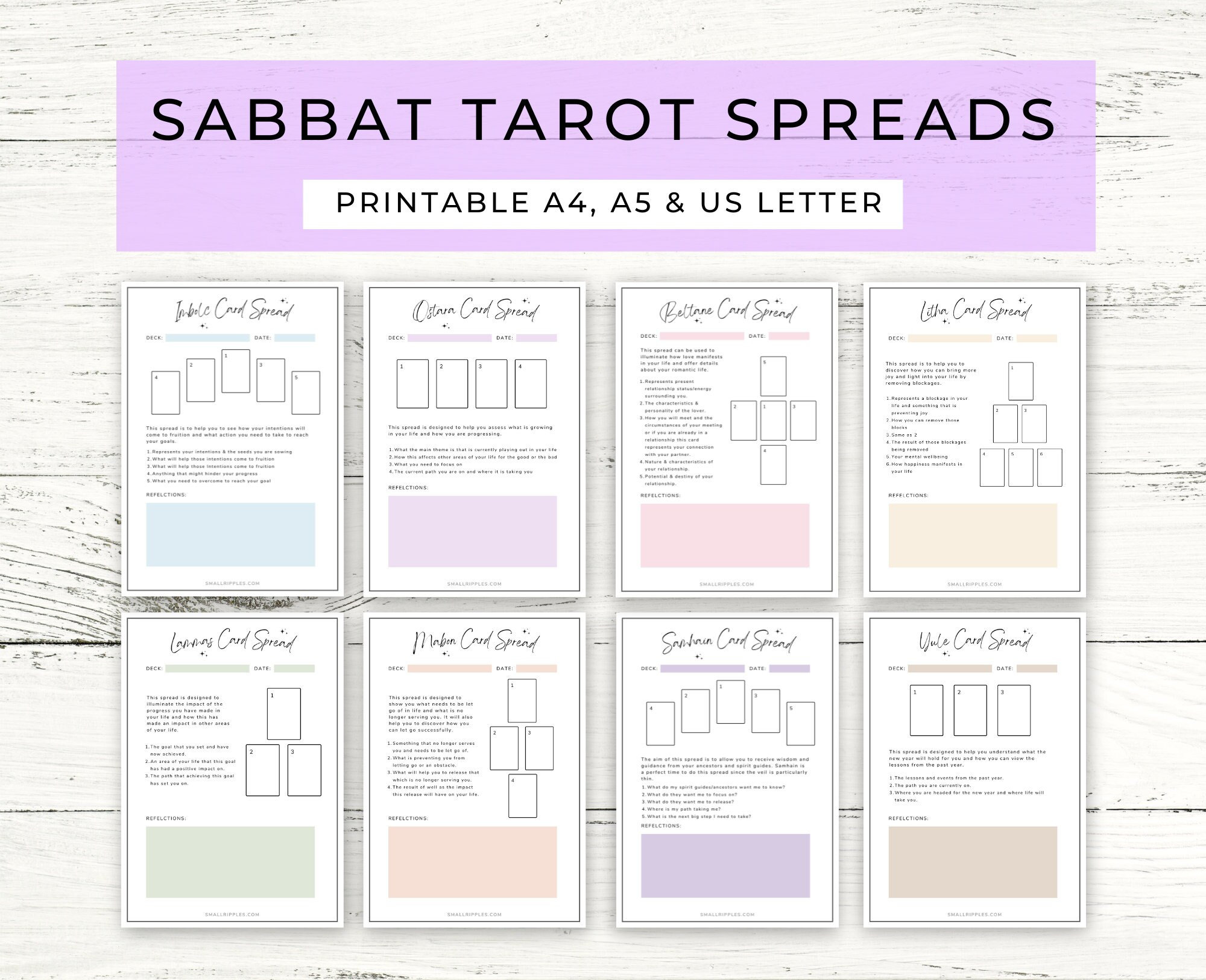
Sabbat Tarot spreads are deeply rooted in the Wheel of the Year, a cyclical calendar marking the eight pagan festivals that celebrate the changing seasons. These spreads align with key Sabbats—Samhain, Yule, Imbolc, Ostara, Beltane, Litha, Lughnasadh, and Mabon—each carrying its own unique energy and themes. By using tarot to explore these Sabbats, you tap into the collective wisdom of the earth’s rhythms, gaining clarity on personal and seasonal transitions.
The Sabbat spreads often incorporate symbolic imagery tied to nature, mythology, and folklore. For example, a spread for Samhain might focus on ancestors and endings, while a Beltane spread could emphasize passion and new beginnings. These spreads serve as a bridge between the mundane and the magical, offering a structured way to reflect on life’s cycles.
The Significance of the Seven-Card Spread
The seven-card spread is one of the most versatile and insightful layouts in tarot. Unlike simpler three-card spreads, it provides a broader perspective, allowing you to explore multiple dimensions of a question or situation. Each card in the spread represents a distinct aspect, such as past influences, present challenges, future possibilities, and underlying motivations. This depth makes it ideal for complex inquiries or seasonal reflections.
A common observation about the seven-card spread is its ability to reveal hidden patterns or subconscious influences. For instance, if the spread focuses on a Sabbat like Lughnasadh (the harvest festival), the cards might highlight themes of abundance, sacrifice, or preparation. The spread’s structure encourages you to look beyond surface-level answers, uncovering the deeper reasons behind your questions or concerns.
Designing Sabbat-Focused Seven-Card Spreads
Creating a Sabbat-themed seven-card spread involves blending tarot symbolism with the energies of the specific festival. Start by selecting a central question or intention tied to the Sabbat’s themes. For example, if you’re working with Ostara (the spring equinox), your question might revolve around balance, renewal, or new beginnings. Next, assign each card position a unique role, such as:
- Card 1 (Past Influence): What energies from the past are shaping this Sabbat’s theme?
- Card 2 (Present Challenge): What obstacles or lessons are present now?
- Card 3 (Future Potential): What opportunities lie ahead?
- Card 4 (Inner Guidance): What wisdom or advice is emerging from within?
- Card 5 (External Influences): How are outside forces affecting this situation?
- Card 6 (Sabbat Energy): How does the Sabbat’s energy influence the reading?
- Card 7 (Outcome): What is the likely resolution or lesson?
This structure ensures a well-rounded exploration of the Sabbat’s themes while maintaining the depth of a seven-card spread. You can also customize the positions to align with your specific needs, such as adding a card for ancestral wisdom or a card for releasing stagnant energy.
Interpreting Sabbat and Seven-Card Spreads Together
When interpreting a Sabbat-themed seven-card spread, pay attention to the interplay between the individual cards and the overarching Sabbat energy. For example, if your spread for Litha (summer solstice) includes the Sun card in the Future Potential position, it may indicate a period of joy, success, or vitality ahead. Conversely, if the Tower card appears in the Present Challenge position, it could suggest a sudden upheaval or awakening tied to the Sabbat’s themes of transformation.
Another key aspect is the balance between the cards. A spread with predominantly Major Arcana cards might suggest a karmic or life-altering situation, while a spread heavy in Cups could indicate emotional themes. The Sabbat’s energy acts as a lens, coloring the interpretation. For instance, a spread for Mabon (autumn equinox) might emphasize themes of gratitude, harvest, and preparation, even if the cards themselves don’t directly reference these ideas.
Practical Tips for Working with These Spreads
To get the most out of Sabbat and seven-card spreads, approach them with intention and openness. Before beginning, ground yourself and set a clear question or intention. Light a candle or incense tied to the Sabbat’s energy to create a sacred space. Shuffle your deck while focusing on your question, then lay out the cards with reverence.
When interpreting, trust your intuition as much as traditional meanings. The Sabbat’s cyclical nature invites you to reflect on the bigger picture, so don’t rush the process. Journaling your insights can help you track patterns over time, deepening your connection to both tarot and the Wheel of the Year.
Conclusion
Sabbat Tarot spreads and the seven-card layout offer a profound way to explore life’s cycles, seasonal energies, and personal growth. By combining the structure of the seven-card spread with the symbolic richness of the Sabbats, you create a dynamic tool for self-discovery and spiritual guidance. Whether you’re seeking clarity on a specific challenge or simply aligning with the rhythms of nature, these spreads provide a pathway to deeper understanding. Embrace the magic of the Wheel of the Year, and let the cards illuminate your journey.
FAQ
What are Sabbat Tarot spreads?
Sabbat Tarot spreads are layouts that align with the eight pagan festivals of the Wheel of the Year, helping readers explore seasonal energies and themes.
How do you interpret a seven-card spread?
A seven-card spread allows for a multifaceted exploration of a question, with each card representing different aspects such as past influences, present challenges, and future potentials.

Leave a Reply