Short Answer
Welcome to this comprehensive guide on Standard Tarot Starter Decks and Stones. Whether you’re a beginner looking to explore the mystical world of tarot or an enthusiast seeking to deepen your understanding, this guide will walk you through the essential aspects of tarot decks and the significance of stones in tarot readings. You’ll learn about the history, types, and uses of tarot decks, as well as how to select and use stones to enhance your readings. By the end, you’ll have a solid foundation to start your tarot journey with confidence.
Understanding Tarot Decks: An Overview
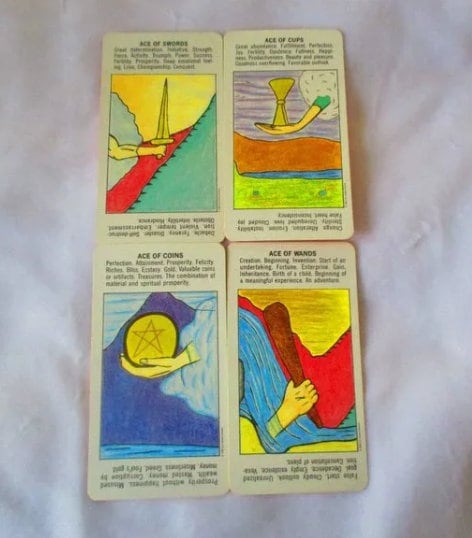
Tarot decks are a set of 78 illustrated cards used for divination, meditation, and self-reflection. They consist of two main groups: the Major Arcana and the Minor Arcana. The Major Arcana contains 22 cards representing significant life events or spiritual lessons, such as The Fool, The Magician, and The World. The Minor Arcana consists of 56 cards divided into four suits—Cups, Pentacles, Swords, and Wands—each reflecting everyday experiences and challenges. A standard tarot deck is often referred to as the Rider-Waite-Smith (RWS) deck, which is the most widely recognized and used for beginners due to its clear symbolism and imagery.
Choosing Your First Tarot Starter Deck
Selecting your first tarot deck can be an exciting yet overwhelming experience. When choosing a starter deck, consider the following factors to ensure it resonates with you:
- Art Style: The imagery and artwork should appeal to you, as it will influence your connection with the cards. Some decks feature traditional, symbolic designs, while others offer modern or whimsical interpretations.
- Guidebook: A comprehensive guidebook is essential for beginners. It should explain the meaning of each card, provide sample spreads, and offer insights into tarot reading techniques.
- Deck Size and Quality: Ensure the cards are durable and easy to shuffle. Some decks come in smaller sizes, which may be more portable but harder to handle for beginners.
- Personal Connection: Trust your intuition. If a deck feels right to you, it’s likely the one you should choose, even if it’s not the most popular or traditional option.

Exploring the Major Arcana
The Major Arcana cards are the heart of tarot readings, representing life’s major themes and spiritual growth. Each card carries deep symbolism and meaning. For example:
- The Fool: Represents new beginnings, spontaneity, and taking a leap of faith. It often signifies the start of a journey or adventure.
- The Magician: Symbolizes manifestation, resourcefulness, and personal power. It suggests the ability to harness your skills and talents to achieve your goals.
- The High Priestess: Embodies intuition, mystery, and hidden knowledge. It encourages you to trust your inner wisdom and listen to your subconscious.
- The Death Card: Often misunderstood, this card signifies transformation, endings, and rebirth. It’s a reminder that change is a natural part of life.
Understanding the Major Arcana will provide a strong foundation for interpreting tarot readings and recognizing the deeper messages within the cards.
The Role of Stones in Tarot Readings
Stones and crystals have been used for centuries in spiritual practices, including tarot readings, for their energetic properties and ability to enhance intuition. Incorporating stones into your tarot practice can deepen your connection to the cards and amplify the energy of your readings. Here are some ways to use stones with tarot:
- Cleansing and Charging: Before a tarot reading, cleanse your stones with water, smoke, or moonlight to remove any negative energy. You can also charge them under the light of the full moon to enhance their properties.
- Selecting Stones for Specific Cards: Certain stones resonate with specific tarot cards. For example, amethyst is often associated with The High Priestess for its connection to intuition and spirituality, while citrine aligns with The Sun card for its association with joy and abundance.
- Creating a Sacred Space: Place stones around your tarot spread or on your altar to create a harmonious and energetically balanced environment for your readings.
- Using Stones as Focal Points: Hold a stone in your hand while shuffling the deck or placing it on a particular card to draw out its energy and meaning during a reading.
Basic Tarot Spreads for Beginners
Tarot spreads are layouts of cards that provide structure and focus for your readings. As a beginner, start with simple spreads to build your confidence and understanding. Here are three basic spreads to try:
- Single-Card Spread: Draw one card to gain insight into a specific question or situation. This spread is ideal for daily pulls or quick guidance.
- Three-Card Spread: This spread consists of three cards representing the past, present, and future, or mind, body, and spirit. It provides a snapshot of a situation and its potential outcome.
- Celtic Cross Spread: A more advanced spread with ten cards, the Celtic Cross offers a detailed and comprehensive view of a situation, including challenges, influences, and possible outcomes. While it may seem complex, it’s a powerful tool for deeper readings once you’re comfortable with the basics.
Practice these spreads regularly to familiarize yourself with the cards and develop your intuitive abilities.
Maintaining and Caring for Your Tarot Deck
Proper care and maintenance of your tarot deck will ensure its longevity and energetic integrity. Follow these tips to keep your deck in optimal condition:
- Cleansing Your Deck: Regularly cleanse your tarot deck to remove any lingering energy. You can do this by placing it under moonlight, smudging it with sage, or using cleansing crystals like selenite.
- Storing Your Deck: Store your tarot deck in a protective bag or box to shield it from dust and negative energy. Avoid placing it in direct sunlight or humid environments, as this can damage the cards.
- Handling Your Cards: Handle your cards with clean, dry hands to prevent oils and moisture from damaging them. When shuffling, do so gently to avoid bending or tearing the cards.
- Respecting Your Deck: Treat your tarot deck with respect and intention. Avoid using it for frivolous purposes or letting others handle it without proper cleansing, as this can disrupt its energy.
Conclusion
Embarking on your tarot journey is an exciting and transformative experience. By understanding the structure of tarot decks, selecting the right starter deck, and incorporating stones into your practice, you’ll develop a deeper connection to the cards and enhance your intuitive abilities. Remember that tarot is a tool for self-discovery and guidance, and the more you practice, the more confident and insightful your readings will become. Whether you’re seeking answers to life’s questions or simply exploring the mystical world of tarot, this guide provides a solid foundation to help you begin your journey with clarity and purpose.
FAQ
What is the significance of stones in tarot?
Stones are used in tarot to enhance intuition, cleanse energy, and establish a deeper connection with the cards.
What are the Major Arcana cards?
The Major Arcana consists of 22 cards representing significant life events or spiritual lessons, such as The Fool and The Magician.
Leave a Reply