Short Answer
Have you ever shuffled your tarot deck, drawn a card, and then—whoosh!—it slips from your hands and lands sideways? Or perhaps it flutters to the floor, revealing a message you weren’t expecting? In the world of tarot, where every detail matters, the position of a card isn’t just a random accident—it’s a deliberate whisper from the universe. The way a card falls, where it lands, and even how it’s oriented can dramatically shift the meaning of your reading. Whether you’re a seasoned reader or a curious beginner, understanding how the card’s placement alters its message will deepen your connection to the cards and unlock layers of insight you might otherwise miss.
Why the Position of a Tarot Card Matters
At first glance, a tarot card is a static image—a snapshot of an archetype, a moment frozen in time. But tarot is a living language, and its true power lies in how you interpret it. The position of a card—whether it’s upright, reversed, sideways, or even upside down—acts as a modifier, altering the card’s energy and the story it’s trying to tell. Think of it like a sentence in a conversation: the words themselves are important, but the tone, emphasis, and context change everything. A card that falls sideways might suggest hesitation or a need for balance, while one that lands upside down could indicate a hidden truth or a subconscious block. The physical act of the card’s fall isn’t just a quirk of fate; it’s a clue, a nudge from the cards to pay attention to the details.
For example, imagine you’re doing a simple one-card pull for guidance, and the card lands sideways. Instead of seeing this as a minor inconvenience, you might interpret it as a sign that the answer isn’t straightforward. The sideways card could be asking you to consider a middle path, to find compromise, or to approach the situation from a different angle. The position becomes a playful challenge: “How can you reframe this question?” or “What’s the lesson in the unexpected?” By embracing the card’s fall as part of the reading, you invite a more dynamic and intuitive dialogue with the tarot.

Upright vs. Reversed: The Classic Divide
The most well-known way a card’s position changes its meaning is through upright and reversed orientations. An upright card typically represents the energy of the card in its purest form—aligned with the querent’s question or the reading’s theme. A reversed card, on the other hand, suggests a blockage, a shadow aspect, or an internal struggle. But what if the card doesn’t fall neatly into one category or the other? What if it lands at an angle, or flips completely? These “in-between” positions add richness to your interpretation, forcing you to engage more deeply with the card’s symbolism.
For instance, a card that lands slightly tilted might indicate that the energy of the card is present but not fully realized. It’s like a seed that’s sprouted but hasn’t yet broken through the soil—there’s potential, but it needs time and care to grow. A card that falls upside down could suggest that the message is inverted, perhaps revealing a truth that’s been overlooked or a situation that’s turned on its head. Instead of dismissing these positions as “mistakes,” treat them as opportunities to explore the card’s meaning from a new perspective. Ask yourself: “What if this card is showing me the opposite of what I expected?” or “How does this angle change the story?”
Sideways Cards: The Middle Path and Hidden Messages
A sideways card is one of the most intriguing positions because it doesn’t fit neatly into the upright/reversed binary. It’s a card that’s neither here nor there, caught in a moment of transition. This position often signals a need for balance, a pause, or a call to reconsider your approach. Sideways cards can appear when the querent is stuck between two choices, when the universe is asking them to find a compromise, or when the answer lies in the gray areas rather than black-and-white absolutes.
For example, if you pull the Three of Swords upright, it might indicate heartbreak or sorrow. But if it lands sideways, the meaning could soften to suggest a period of healing or a lesson in emotional resilience. The sideways position invites you to look at the card’s imagery more closely. Is the sword pointing in a new direction? Are the tears forming a pattern that suggests renewal? The sideways card becomes a riddle, challenging you to find the hidden message within the chaos.
In a relationship reading, a sideways card might indicate that the relationship is in a state of flux—neither fully broken nor completely healed. It could be a sign to communicate openly, to find common ground, or to accept that some things take time to resolve. The sideways position reminds us that not all answers are immediate or clear-cut, and sometimes, the most profound insights come from sitting with the uncertainty.
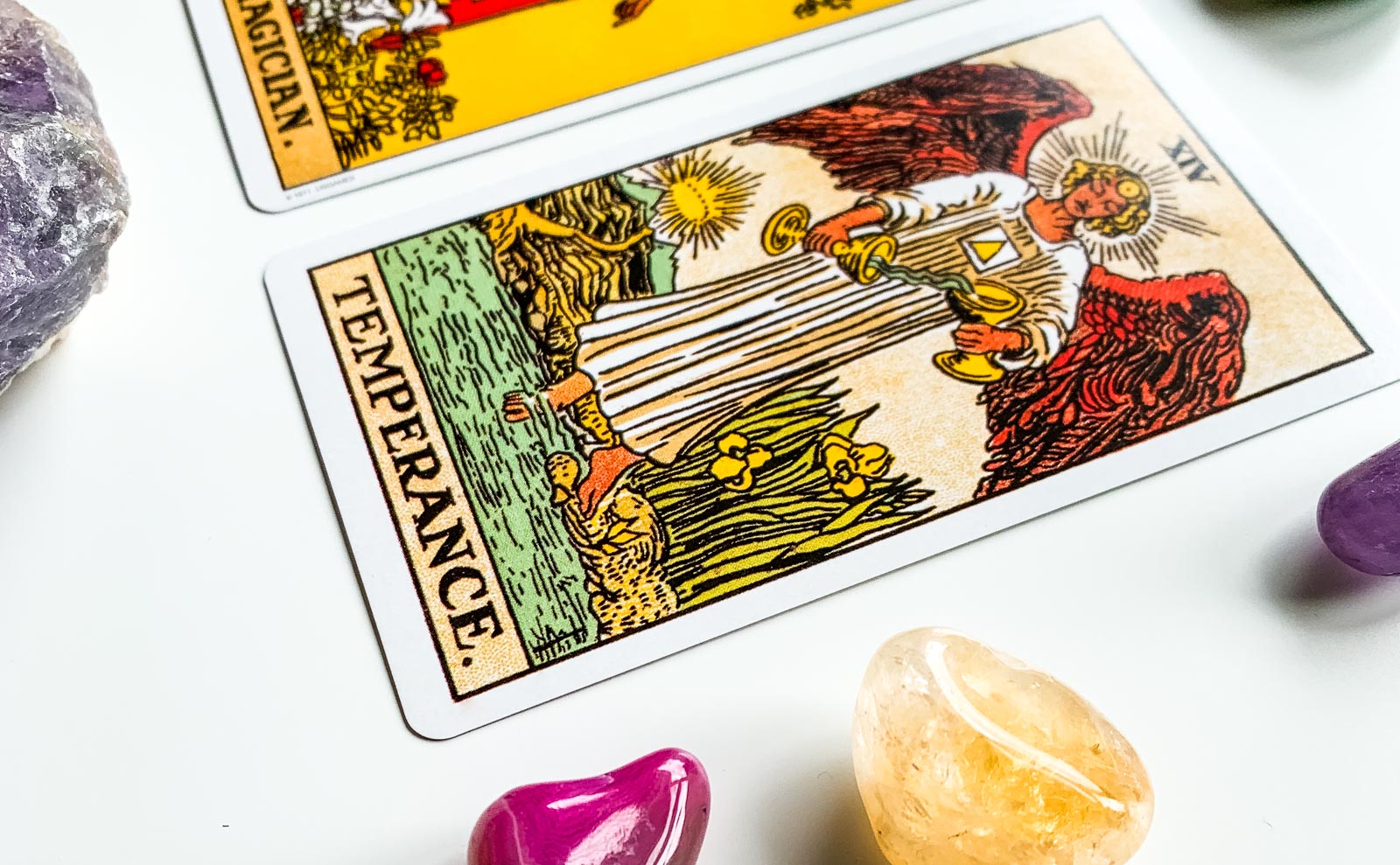
Falling Cards: When the Universe Interrupts
There’s something undeniably dramatic about a card falling from the deck during a reading. It’s as if the universe has decided to insert itself into the conversation, demanding your attention. A falling card can symbolize a sudden shift, an unexpected challenge, or a message that’s too important to ignore. Unlike a sideways card, which might suggest a gentle nudge, a falling card often feels like a wake-up call—a sign that something in the reading (or in the querent’s life) is about to change.
For example, if you’re doing a career reading and the Page of Wands falls from the deck, it could indicate a burst of creative energy or a new opportunity presenting itself. The act of falling suggests that this opportunity is coming to you, perhaps unexpectedly, and you need to be ready to seize it. Alternatively, if the Tower card falls, its dramatic imagery might reflect a sudden upheaval or a revelation that shakes the foundations of the querent’s question. The falling card becomes a metaphor for the unpredictability of life—reminding us that even in readings, we must be prepared for surprises.
When a card falls, it’s also a reminder to stay present. The tarot isn’t just about the cards you pull; it’s about how they interact with you and your environment. A falling card might prompt you to ask: “What is this card trying to interrupt?” or “Where in my life do I need to pay closer attention?” By treating the fall as part of the reading’s narrative, you honor the tarot’s role as a tool for both guidance and revelation.
Upside-Down Cards: The Subconscious Speaks
An upside-down card is often interpreted as a reversed card, but its energy can feel even more potent because of the dramatic inversion. When a card lands upside down, it’s as if the universe has flipped the script, forcing you to look at the situation from a completely different angle. This position can reveal subconscious fears, hidden motivations, or truths that the querent isn’t ready to face consciously. It’s the tarot’s way of saying, “Pay attention to what you’re not seeing.”
For instance, the Lovers card upside down might suggest a relationship that’s out of balance, where one person is giving more than they’re receiving, or where there’s a lack of harmony. The Death card upside down could indicate resistance to change, a fear of letting go, or a situation that feels stagnant despite the need for transformation. The upside-down position challenges you to dig deeper, to question your assumptions, and to consider what’s lurking beneath the surface.
In a self-reflection reading, an upside-down card might highlight an area of your life where you’re your own worst enemy—perhaps you’re sabotaging your own success, ignoring your intuition, or clinging to a belief that no longer serves you. The upside-down card becomes a mirror, reflecting back what you’ve been avoiding. Instead of seeing it as a “bad” omen, view it as an invitation to confront what’s been hidden in plain sight.

Practical Tips for Reading Fallen Cards
So, how do you incorporate the position of a fallen card into your reading? Start by observing the card’s orientation without judgment. Ask yourself: “How does this change the card’s usual meaning?” Then, consider the context of the reading. Is the card falling in response to a specific question, or is it a general message? The more you practice, the more intuitive this process will become.
Here are a few practical tips to deepen your interpretation:
- Note the card’s imagery: Does the sideways card’s imagery suggest a new direction? Does the upside-down card’s reversed symbols reveal a hidden truth?
- Ask clarifying questions: If a card falls, ask the querent how they feel about it. Sometimes, their immediate reaction will provide insight into the card’s message.
- Trust your intuition: If a fallen card feels significant, it probably is. Don’t dismiss it as a “mistake”—lean into the energy it brings.
- Experiment with layouts: Try doing a reading where you intentionally let cards fall naturally, then interpret their positions as part of the narrative.
Remember, the tarot is a conversation, not a test. The cards don’t exist to give you “right” or “wrong” answers—they exist to guide you, challenge you, and sometimes, surprise you. A fallen card is just another layer of that conversation, a playful question posed by the universe to see how you’ll respond.
Conclusion
The next time a tarot card slips from your hands and lands in an unexpected position, don’t see it as a disruption—see it as an opportunity. Whether the card falls sideways, upside down, or flutters to the floor, its position is a clue, a nudge, and sometimes, a direct challenge to look deeper. The tarot doesn’t speak in absolutes; it speaks in symbols, in energy, and in the spaces between the cards. By paying attention to where the cards fall, you’re not just reading the cards—you’re engaging in a dialogue with the unseen forces that shape your life.
So, the next time you shuffle your deck, let the cards fall where they may. Embrace the unpredictability. Ask the playful questions. And remember: in the world of tarot, even the way a card lands changes everything.
FAQ
How does the position of a tarot card affect its meaning?
The position of a tarot card—whether upright, reversed, or sideways—modifies its energy and the narrative it conveys, affecting the interpretation of the reading.
What does a sideways tarot card signify?
A sideways tarot card often indicates a need for balance, compromise, or a call to reconsider your approach in a situation.
What is the significance of a falling tarot card?
A falling tarot card is seen as an urgent message from the universe, often indicating a significant shift or unexpected challenge.
Leave a Reply