Short Answer
Have you ever shuffled a deck of tarot cards, only to freeze when it’s your turn to draw? The Major Arcana alone can feel like a cryptic roadmap to your soul’s biggest questions—if only you could decode it! Whether you’re a curious beginner or a seasoned reader looking to refine your craft, this guide is your ultimate cheat sheet for mastering tarot card meanings. From the towering presence of The Fool to the transformative energy of The World, we’ll break down each card’s essence, symbolism, and how it might show up in your life. Ready to turn confusion into clarity? Let’s dive in.
The Major Arcana: Your Tarot Journey Unveiled
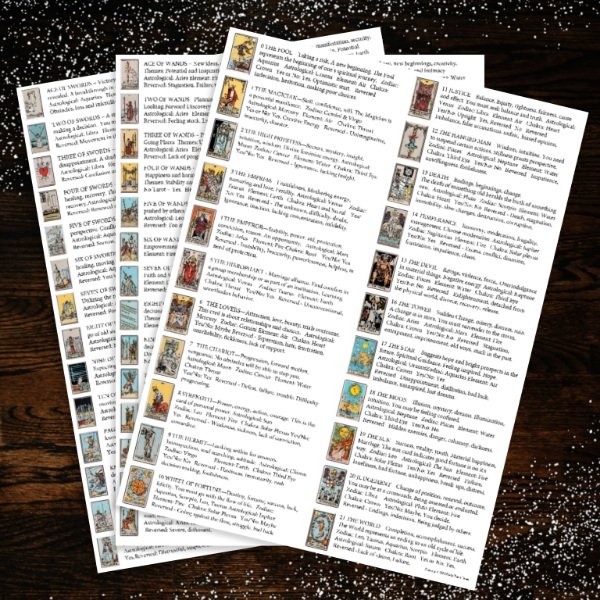
The Major Arcana consists of 22 cards, each representing a significant life lesson or spiritual milestone. Think of them as the “big picture” of your tarot reading—they often highlight major themes, karmic influences, or pivotal moments. Unlike the Minor Arcana, which deals with day-to-day events, the Major Arcana is all about the soul’s evolution. For example, The Magician (Card I) embodies manifestation and resourcefulness, while The High Priestess (Card II) invites you to trust your intuition and dive into the subconscious. Each card builds on the last, creating a narrative arc that mirrors your personal growth.
Challenge alert: What if you pull The Hanged Man (Card XII) in a reading about career decisions? This card often signifies surrender and new perspectives—but how do you apply it without feeling stuck? The key lies in reframing the message: sometimes, the most powerful action is to pause and reflect. The Major Arcana isn’t just about predicting the future; it’s about understanding the deeper currents shaping it.
The Minor Arcana: The Nitty-Gritty of Daily Life
While the Major Arcana sets the stage, the Minor Arcana (56 cards) fills in the details of your everyday experiences. Divided into four suits—Wands, Cups, Swords, and Pentacles—each suit governs a different aspect of life. Wands (Fire) spark creativity and passion, Cups (Water) dive into emotions and relationships, Swords (Air) cut through logic and conflict, and Pentacles (Earth) root you in finances and practical matters.
Let’s say you draw the Three of Cups in a reading about friendships. This card celebrates joy, celebration, and community—but what if you’re feeling isolated? The Minor Arcana isn’t just about good or bad omens; it’s about context. Are you ignoring an opportunity to connect, or is the card nudging you to embrace a lighter, more social side? The suits also interact with court cards (Page, Knight, Queen, King), which add layers of personality and energy to your readings. For instance, the Queen of Swords might represent a sharp-witted mentor, while the Knight of Pentacles could signal a reliable, hardworking influence.
Pro tip: Pull a card from the Minor Arcana each day and journal about its message. Over time, you’ll start to see patterns and themes that reflect your current life chapter. The Minor Arcana is your tarot journal—use it wisely!
Reversed Cards: When the Message Flips
Reversed cards (when a card appears upside-down) often spark debate: are they negative, or do they simply indicate blocked or internalized energy? The truth lies somewhere in between. A reversed card can highlight resistance, delays, or the need to revisit a situation from a different angle. For example, The Tower reversed might suggest you’re avoiding a necessary upheaval, while the Ten of Cups reversed could point to unresolved family tensions.
But here’s the playful challenge: What if a reversed card is actually a blessing in disguise? The Five of Pentacles reversed might seem like a warning about financial struggle, but it could also signal recovery or finding unexpected support. The key is to ask, “What is this card trying to teach me?” rather than labeling it as “good” or “bad.” Reversals add depth to your readings, forcing you to engage more critically with the cards’ messages.

Tarot Spreads: Beyond the Single-Card Pull
While a single-card pull can offer quick insights, spreads provide a richer, more nuanced story. The most popular spreads include:
- The Celtic Cross: A 10-card spread that explores past, present, future, and underlying influences. It’s the tarot equivalent of a deep-dive interview.
- Three-Card Spread: Past, Present, Future—simple but powerful for tracking progress or decision-making.
- The Horseshoe Spread: Seven cards that focus on challenges, influences, and potential outcomes, great for problem-solving.
- Relationship Spread: Tailored for love and partnerships, this spread examines dynamics, strengths, and areas for growth.
Challenge yourself to try a spread you’ve never used before. What if the Relationship Spread reveals a block in communication? Instead of seeing it as a red flag, use it as a conversation starter. Spreads are tools, not prophecies—they’re meant to guide, not dictate. The more you experiment, the more intuitive your readings will become.
Tarot for Self-Discovery: Asking the Right Questions
Tarot thrives on curiosity, but vague questions yield vague answers. To get the most out of your readings, frame inquiries that invite reflection. Instead of asking, “Will I get the job?” try, “What do I need to know about this job opportunity?” This shifts the focus from prediction to self-awareness. The cards respond best to open-ended questions that encourage introspection.
Another playful challenge: Pull a card for your “shadow self”—the part of you that’s hidden, ignored, or suppressed. The Devil might represent unhealthy attachments, while the Eight of Swords could highlight self-imposed limitations. What does your shadow card reveal about your blind spots? Tarot isn’t just about fortune-telling; it’s a mirror for the soul.
Conclusion
Tarot is a language of symbols, intuition, and personal growth—and like any language, it becomes clearer with practice. Whether you’re deciphering the Major Arcana’s grand narrative, navigating the Minor Arcana’s daily details, or wrestling with reversed cards, remember: the cards are a tool, not a crutch. They won’t give you all the answers, but they’ll help you ask better questions. So shuffle your deck, trust your instincts, and let the cards guide you—not as a fortune-teller, but as a fellow traveler on the path to self-discovery.
FAQ
What is the difference between Major and Minor Arcana?
The Major Arcana consists of 22 cards representing significant life lessons, while the Minor Arcana includes 56 cards that detail everyday experiences divided into four suits.
How can I interpret reversed tarot cards?
Reversed cards can indicate blocked energy, resistance, or the need to revisit a situation. They invite deeper interpretation rather than being labeled as negative.
What are common tarot spreads?
Popular tarot spreads include the Celtic Cross, Three-Card Spread, and Relationship Spread, each designed to provide insights into various aspects of life.
Leave a Reply