Short Answer
Ever pulled a card in a tarot reading and felt a sudden chill run down your spine? Some cards don’t just predict challenges—they seem to whisper warnings, flash red flags, or even feel like a cosmic nudge in the ribs. These are the tarot cards that sting, the ones that make you pause and wonder, “What on earth does this mean?” Whether you’re a seasoned reader or just dipping your toes into the mystical waters of tarot, understanding the darker side of the deck can transform confusion into clarity—and fear into empowerment. In this guide, we’ll explore the most challenging tarot cards, decode their meanings, and uncover how to work with them instead of against them. By the end, you’ll not only recognize these cards when they appear but also know how to turn their sting into a source of strength.
Why Some Tarot Cards Feel So Negative (And Why That’s Not a Bad Thing)
Tarot cards are often misunderstood as purely “good” or “bad,” but the truth is far more nuanced. The cards that sting—like The Tower, Three of Swords, or The Devil—aren’t inherently evil; they’re powerful mirrors reflecting the raw, unfiltered aspects of life. These cards often highlight obstacles, fears, or uncomfortable truths because tarot thrives on balance. Without contrast, we wouldn’t recognize growth, change, or resilience. For example, The Tower may signal upheaval, but it also clears the way for something new. The Three of Swords might represent heartbreak, yet it also paves the path to healing. The key is to see these cards not as omens of doom, but as opportunities in disguise. They challenge us to confront what we’ve been avoiding, and in doing so, they help us evolve.

The Most Feared Tarot Cards and What They Really Mean
Some cards are so universally dreaded that even experienced readers hesitate when they appear. Below, we break down the most “stingy” cards in the deck, their traditional meanings, and how to interpret them in a way that serves your growth.
The Tower (XVI) – The Card of Sudden Upheaval
The Tower is the tarot’s equivalent of a lightning bolt—unexpected, destructive, and impossible to ignore. When this card appears, it often signals a dramatic shift, a breakdown of old structures, or a revelation that shatters illusions. While it’s tempting to panic, The Tower is also a liberator. It destroys what no longer serves you, whether that’s a toxic relationship, a dead-end job, or a self-limiting belief. The key is to trust the process. After the dust settles, you’ll often find yourself in a stronger, more authentic position. Ask yourself: What false foundation is this card exposing?

Three of Swords – The Card of Heartbreak and Betrayal
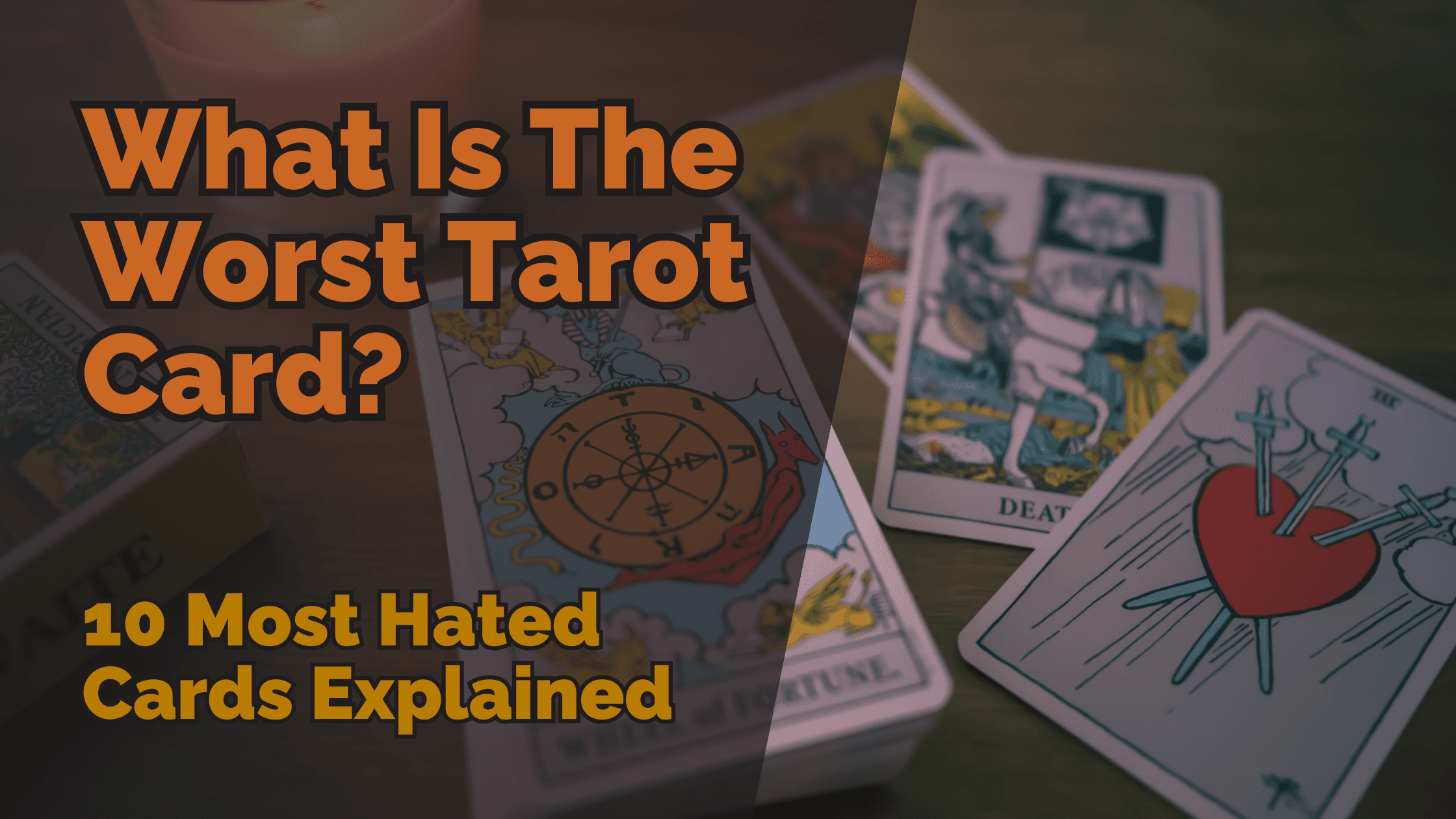
This card is the tarot’s way of saying, “Yes, this will hurt.” Depicted with a heart pierced by three swords, the Three of Swords often appears when you’re dealing with loss, betrayal, or deep emotional pain. It’s the card of unavoidable truth—the kind that leaves you raw but ultimately wiser. While it’s natural to feel overwhelmed, this card also promises healing. The swords represent thoughts and words that cut deep, but they also cut away what’s no longer needed. If this card appears, allow yourself to grieve, but remember: the pain won’t last forever. What lesson is this heartbreak teaching you?
The Devil (XV) – The Card of Bondage and Temptation
The Devil card is often mislabeled as “evil,” but it’s really about attachment—to toxic habits, unhealthy relationships, or self-destructive patterns. This card shows a pair chained to a demon, symbolizing how we can become prisoners of our own desires or fears. When The Devil appears, it’s a wake-up call to examine what’s truly controlling you. Are you addicted to drama? Do you stay in a relationship out of fear rather than love? The good news? The chains are illusions. Recognizing them is the first step to breaking free.
Ten of Swords – The Card of Rock Bottom
This card is the tarot’s way of saying, “It can’t get worse… but it will get better.” The Ten of Swords shows a figure lying face down with ten swords in their back, symbolizing defeat and exhaustion. Yet, the rising sun in the background hints at renewal. This card often appears when you’ve hit rock bottom—after a failure, a loss, or a series of setbacks. While it feels devastating, the Ten of Swords also signals the end of a difficult cycle. What’s collapsing in your life right now? Trust that it’s making space for something new.
How to Work with “Negative” Tarot Cards Instead of Fighting Them
Pulling a “scary” card doesn’t mean your reading is doomed—it means you’re being given a challenge. The way you respond to these cards can make all the difference. Here’s how to turn their sting into a source of power:
Reframe the Narrative
Instead of seeing these cards as bad omens, ask: What is this card trying to teach me? For example, if you draw The Tower, instead of panicking, consider what outdated beliefs or situations it’s helping you shed. If you pull The Devil, reflect on what “chains” you’ve been ignoring. The more you shift your perspective, the less intimidating these cards become.
Use the Card as a Catalyst for Action
Negative cards often highlight areas that need your attention. If you draw the Three of Swords, it might be time to have an honest conversation with someone you trust. If The Devil appears, it could be a sign to set boundaries or let go of a habit that’s no longer serving you. These cards aren’t just warnings—they’re roadmaps to change.
Cleanse and Protect Your Energy
Working with challenging cards can feel heavy, so it’s important to clear your energy afterward. Try smudging with sage, taking a salt bath, or meditating to release any lingering negativity. You can also place a protective stone like black tourmaline or obsidian near your deck to absorb any residual energy from difficult readings.
When to Seek Guidance (And When to Trust Yourself)
While tarot is a tool for self-reflection, there are times when external support can be invaluable. If a card like The Tower or The Devil appears repeatedly in your readings, it might be worth discussing with a therapist or trusted mentor. However, remember that tarot is ultimately a mirror—it reflects your subconscious fears and desires. Trust your intuition when interpreting these cards. If a meaning resonates with you, even if it’s uncomfortable, it’s likely the right message.
Conclusion
Tarot cards that sting aren’t here to punish you—they’re here to awaken you. Whether it’s The Tower’s sudden upheaval, the Three of Swords’ heartbreak, or The Devil’s chains of attachment, these cards challenge you to grow in ways you never thought possible. The next time you draw a card that makes your stomach drop, take a deep breath and ask: What is this card trying to show me? Instead of fearing the sting, embrace it as a sign that you’re being pushed toward your highest potential. After all, the darkest cards in the deck often lead to the brightest transformations.
FAQ
What do negative tarot cards mean?
Negative tarot cards highlight challenges and difficult emotions, but they can also represent opportunities for growth and change.
How should I interpret 'stingy' tarot cards?
Instead of fearing them, view these cards as lessons or warnings that guide you towards personal transformation.
What is the significance of The Tower card?
The Tower represents sudden upheaval and change, often clearing the way for new beginnings.
Can negative tarot cards be beneficial?
Yes, they can serve as catalysts for change and self-reflection, helping you confront challenging truths.
FAQ
What do negative tarot cards mean?
Negative tarot cards highlight challenges and difficult emotions, but they can also represent opportunities for growth and change.
How should I interpret 'stingy' tarot cards?
Instead of fearing them, view these cards as lessons or warnings that guide you towards personal transformation.
What is the significance of The Tower card?
The Tower represents sudden upheaval and change, often clearing the way for new beginnings.
Can negative tarot cards be beneficial?
Yes, they can serve as catalysts for change and self-reflection, helping you confront challenging truths.
Leave a Reply