Short Answer
Welcome to your guide on Tarot Reading Meanings—where each card pull becomes a playful conversation with the universe. Whether you’re a curious beginner or a seasoned reader, this guide will help you decode the messages hidden in your daily draws. You’ll learn how to pose meaningful questions, interpret the cards’ symbols, and recognize the challenges they reveal. By the end, you’ll see Tarot not just as a tool for divination, but as a mirror reflecting your inner world and the energies around you.
Why a Playful Question Matters in Tarot
Tarot thrives on curiosity. A playful question—like “What’s the vibe at my coffee shop today?” or “How can I make my morning routine more fun?”—opens the door to insight without pressure. Unlike rigid queries (“Will I get the job?”), playful questions invite exploration. They allow the cards to speak in metaphors, revealing subtle guidance about your mood, environment, or creative blocks. When you approach Tarot with lightness, the cards respond with clarity, offering a fresh perspective on everyday situations.
For example, pulling the Three of Cups in response to a question about social energy might suggest a gathering or celebration on the horizon. The playful tone helps you stay open to joyful possibilities rather than fixating on outcomes. Remember, Tarot isn’t about predicting the future—it’s about uncovering the layers of meaning in your present moment.
Decoding the Cards: Symbols and Their Stories
Each Tarot card is a visual story packed with symbols. The Magician, for instance, often features a table with tools representing the four suits—wands, cups, swords, and pentacles—symbolizing mastery over resources. When this card appears, it may indicate a time to harness your skills or take action toward a goal. Meanwhile, the High Priestess sits between two pillars, one black and one white, representing intuition and duality. Her presence suggests trusting your inner voice and exploring hidden truths.
Colors also carry meaning. Red can signify passion or urgency (as in the Six of Wands), while blue often points to calm or communication (seen in the Two of Cups). Even the card’s orientation matters—an upright card typically reflects a straightforward message, while a reversed card may hint at internal resistance or a need for reflection. Pay attention to these details; they’re the Tarot’s way of whispering secrets about your journey.
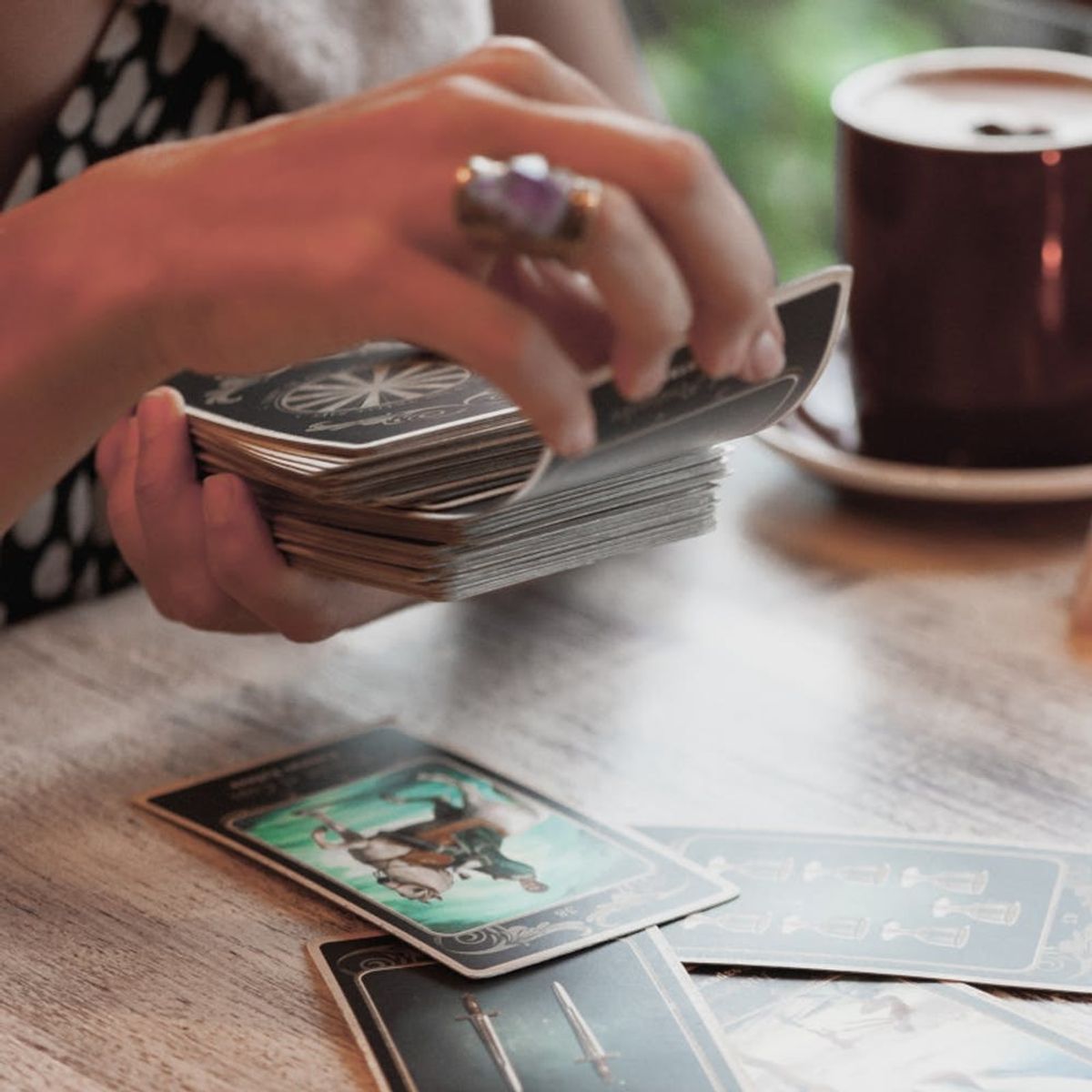
Tarot decks vary, so familiarize yourself with the imagery in yours. Some modern decks, like the Rider-Waite-Smith, are rich in symbolism, while others, like the Modern Witch Tarot, offer contemporary twists. The key is consistency—once you recognize the patterns in your deck, interpretations become intuitive.
Posing the Question: How to Frame It for Maximum Insight
Your question sets the tone for the reading. Avoid yes/no queries (“Will I meet someone new?”) and instead ask open-ended questions (“What energy should I embrace to attract new connections?”). The more specific yet flexible your question, the clearer the cards’ guidance. For instance, instead of “Why am I stuck?” try “What lesson is this stagnation teaching me?” This shift from frustration to curiosity invites the cards to reveal deeper truths.
Timing can also shape your question. For daily pulls, focus on the present: “What energy surrounds me today?” or “How can I invite more joy into my routine?” For longer-term guidance, ask about themes: “What do I need to focus on this month?” The cards respond best when your question aligns with your current emotional or spiritual needs.
Recognizing the Challenge: When the Cards Hint at Obstacles
Not every card pull is sunshine and rainbows. The Five of Swords, for example, might signal conflict or a need to walk away from a draining situation. The Ten of Pentacles reversed could indicate financial instability or family tension. These cards aren’t warnings—they’re invitations to address underlying issues. The challenge they present is often the catalyst for growth.
When a difficult card appears, don’t panic. Ask yourself: What part of this message resonates with me? If the Eight of Swords shows up, it may reflect feeling trapped by self-imposed limitations. The solution? Look for the “invisible” swords around you and realize you hold the power to remove them. The cards reveal challenges not to discourage you, but to empower you to overcome them.
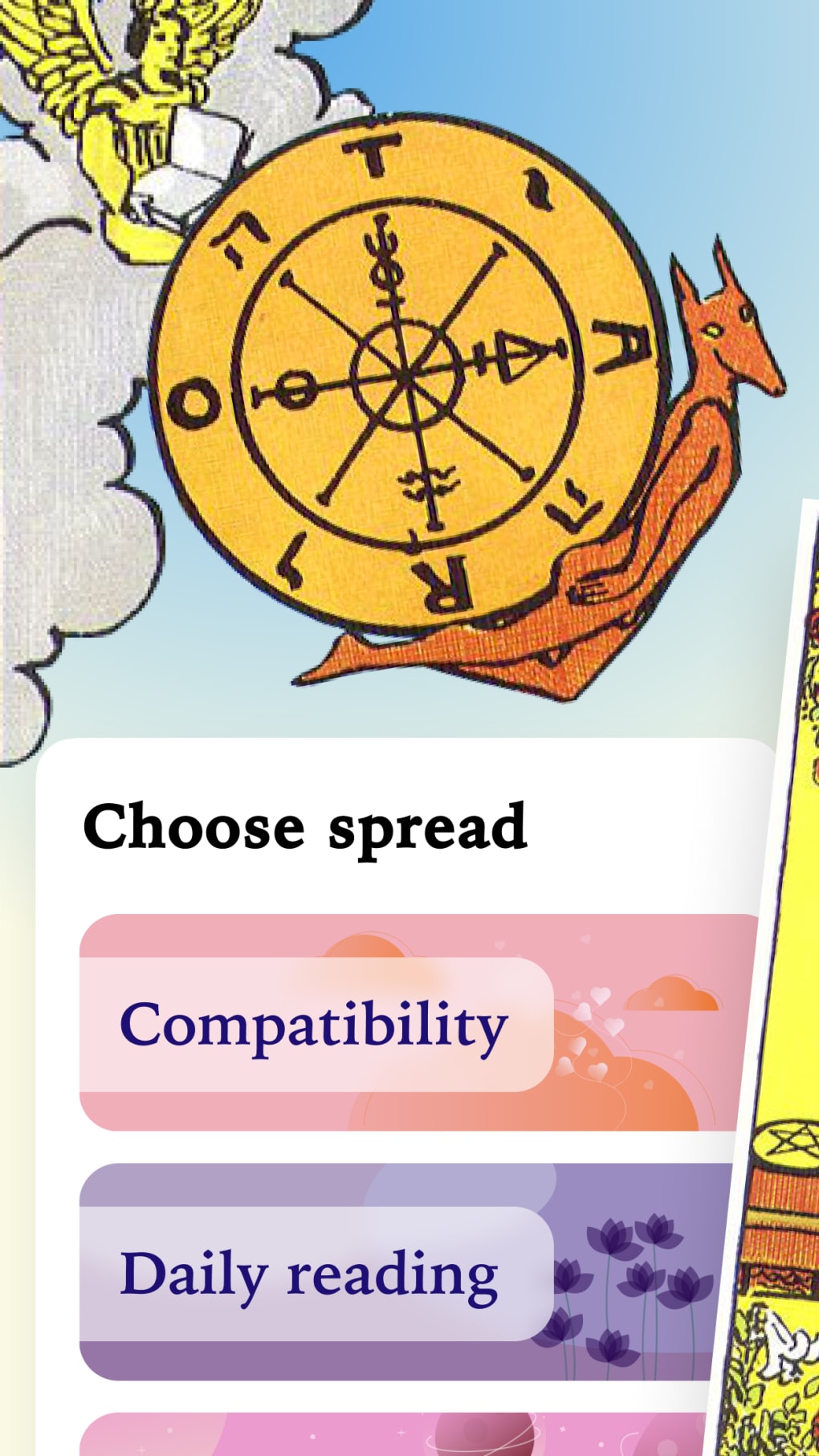
Reversed cards often highlight these challenges more starkly. While upright cards suggest external influences, reversed cards dive into internal struggles—fears, doubts, or unresolved emotions. Use them as a prompt to journal or meditate. For example, the Four of Cups reversed might reveal apathy or a need to break free from emotional numbness.
Putting It All Together: A Sample Daily Pull
Let’s walk through a sample reading. Suppose your question is: “What energy should I embrace today?” You draw three cards:
- Page of Wands (upright): A burst of creative energy or a new idea. Today, you’re being called to take initiative.
- The Empress (reversed): A reminder to nurture yourself, not others. Are you putting your needs last?
- Eight of Pentacles: Focus on skill-building. Today is ideal for learning or refining a craft.
Interpretation: The Page of Wands suggests starting a project, but The Empress reversed warns against burnout. Balance your enthusiasm with self-care. The Eight of Pentacles confirms that dedicating time to a skill will pay off. Your challenge? Avoid overcommitting. The cards encourage a mix of action and rest.
Conclusion
Tarot is a conversation—a playful, insightful dialogue between you and the cards. By posing thoughtful questions, decoding symbols, and embracing challenges, you transform each pull into a meaningful exchange. Remember, there’s no “right” or “wrong” interpretation; the magic lies in your connection to the cards. Whether you’re seeking daily guidance or diving into deeper themes, let curiosity be your guide. The more you practice, the more the cards will reveal not just the world around you, but the world within.
FAQ
What is the significance of a Tarot card pull?
A Tarot card pull serves as a reflection of your current emotional and spiritual state, providing insights and guidance based on the cards drawn.
How should I frame questions for a Tarot reading?
Frame open-ended questions that invite exploration rather than direct yes/no answers, focusing on themes rather than specific outcomes.
Leave a Reply