Short Answer
In this comprehensive guide, you’ll explore the deep symbolism, interpretations, and cultural significance of two powerful tarot cards: The Hanged Man and The Hermit (Brynth). Whether you’re a tarot enthusiast, a seeker of spiritual wisdom, or simply curious about these archetypes, this article will provide insights into their meanings, visual representations, and the types of content you can expect from each. By the end, you’ll have a clearer understanding of how these cards reflect personal growth, introspection, and life’s transformative phases.
The Hanged Man: Symbolism and Meaning
The Hanged Man is one of the most enigmatic cards in the tarot deck, often associated with surrender, new perspectives, and spiritual awakening. Unlike traditional depictions of action or movement, this card portrays a figure suspended upside-down, hanging from a living tree or a wooden structure. The imagery alone suggests a reversal of expectations—what appears to be a loss of control is, in reality, a deliberate act of sacrifice or pause.
Key aspects of The Hanged Man include:
- Sacrifice and Letting Go: The card represents the need to release old patterns, beliefs, or attachments that no longer serve you. It’s a reminder that sometimes, inaction can be a form of power.
- New Perspectives: Being upside-down forces a shift in viewpoint. This card encourages you to see situations from a different angle, often revealing hidden truths or opportunities.
- Spiritual Growth: The Hanged Man is deeply tied to enlightenment and the idea that growth often comes through discomfort or stillness. It’s a call to trust the process, even when it feels uncertain.
- Surrender to the Unknown: The card embodies the concept of “going with the flow” rather than forcing outcomes. It’s about accepting that some things are beyond your control.
Visually, The Hanged Man is often depicted with a serene expression on the figure’s face, suggesting acceptance rather than struggle. The background may include a calm sky, a halo (symbolizing enlightenment), or a lush tree, emphasizing life and renewal despite the temporary suspension.

Example of The Hanged Man in a tarot deck, illustrating the card’s themes of sacrifice and spiritual awakening.
Types of Content Featuring The Hanged Man
The Hanged Man’s rich symbolism makes it a popular subject across various forms of media, from art and literature to digital content. Here’s what you can expect from different types of content centered around this card:
Art and Visual Representations
Artists often reimagine The Hanged Man in unique styles, from classical paintings to modern digital illustrations. These artworks may emphasize different aspects of the card’s meaning, such as:
- Surrealism: Some artists depict the figure in dreamlike or abstract settings, highlighting the card’s connection to the subconscious.
- Minimalism: Clean, simple designs focus on the essential elements—like the hanging figure and the tree—stripping away distractions to emphasize the core message.
- Dark Fantasy: Other interpretations lean into a gothic or mystical aesthetic, using shadows and eerie lighting to evoke a sense of mystery and transformation.
Digital platforms like Newgrounds and Pinterest host a variety of these artworks, each offering a fresh take on the card’s timeless themes.
Literary and Narrative Interpretations
In storytelling, The Hanged Man often appears as a metaphor for pivotal moments of change or revelation. You might encounter:
- Character Arcs: A protagonist who undergoes a profound transformation, such as a hero who must surrender their ego or plans to achieve their goal.
- Plot Twists: The card can signal a turning point where a character’s perspective shifts, leading to unexpected outcomes.
- Poetry and Prose: Writers use The Hanged Man to explore themes of sacrifice, patience, and the beauty of stillness in moments of chaos.
For example, the image titled Hermit Story by Glenn Wright might draw parallels between The Hanged Man and The Hermit, as both cards represent introspection and the search for deeper meaning.
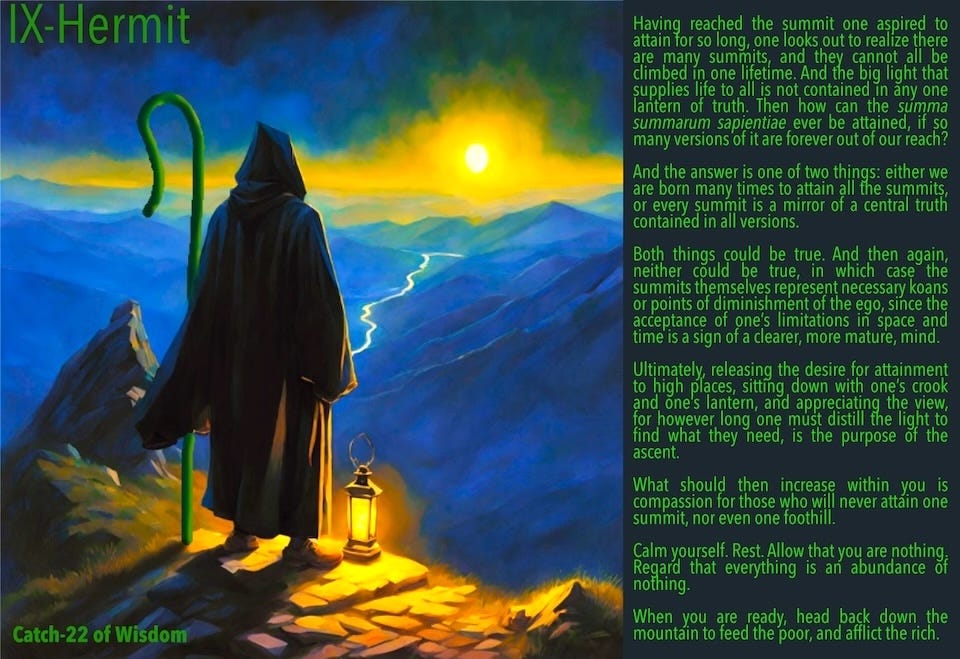
An artistic interpretation of introspective themes, bridging the symbolism of The Hanged Man and The Hermit.
The Hermit (Brynth): A Guide to Solitude and Wisdom
The Hermit, often depicted as an elderly figure holding a lantern or staff, is a card that embodies solitude, introspection, and the pursuit of inner wisdom. Unlike The Hanged Man, which focuses on surrender and new perspectives, The Hermit is about active seeking—deliberately withdrawing from the world to gain clarity and knowledge. In some traditions, particularly those influenced by Brynthian lore, The Hermit is seen as a guide or mentor, representing the journey inward to find answers.
Key aspects of The Hermit include:
- Solitude and Reflection: The card highlights the importance of taking time away from distractions to reflect on your life, goals, and values. It’s a reminder that wisdom often comes from within, not from external sources.
- Seeking Truth: The Hermit’s lantern illuminates the path forward, symbolizing the search for truth and self-discovery. It encourages you to ask deep questions and trust your intuition.
- Mentorship and Guidance: In some interpretations, The Hermit represents a wise teacher or a spiritual guide who offers counsel. This could be a literal mentor or an inner voice guiding you toward your higher self.
- Patience and Timing: The card suggests that answers won’t always come quickly. It’s about embracing the process of slow, deliberate growth rather than rushing toward outcomes.
Visually, The Hermit is often portrayed in a hooded cloak, standing alone in a barren landscape or atop a mountain. The lantern he carries is a key symbol—its light represents the illumination of hidden knowledge or the spark of divine inspiration.

A classic depiction of The Hermit, emphasizing the card’s themes of guidance and inner exploration.
Types of Content Featuring The Hermit
The Hermit’s themes of solitude and wisdom resonate across a wide range of content, from philosophical essays to artistic creations. Here’s what you can explore:
Philosophical and Spiritual Writings
The Hermit is a staple in discussions about mindfulness, stoicism, and spiritual growth. You’ll find:
- Meditation and Mindfulness Guides: Articles or videos that use The Hermit as a metaphor for the importance of quiet reflection in a noisy world.
- Stoic Philosophy: The card aligns with stoic principles of self-reliance and inner strength, making it a recurring theme in discussions about resilience and personal discipline.
- Mysticism and Esotericism: In occult traditions, The Hermit is often linked to the journey of the soul, the seeker’s path, or the alchemical process of transformation.
Art and Creative Expressions
Artists and creators interpret The Hermit in diverse ways, often focusing on:
- Minimalist Designs: Simple, elegant illustrations that capture the essence of solitude and wisdom, such as a lone figure against a vast landscape.
- Dark Academia Aesthetics: The Hermit’s themes of study and introspection make it a popular motif in dark academia-inspired art, which often features libraries, candles, and scholarly symbols.
- Digital and Fantasy Art: Some artists reimagine The Hermit as a mystical figure in a fantasy setting, such as a hermit living in a secluded tower or a wise elder in a futuristic dystopia.
Literary and Cinematic Narratives
In storytelling, The Hermit often appears as a character or a thematic element that drives the plot forward. You might encounter:
- Wise Mentors: Characters who act as guides, offering cryptic advice or helping protagonists find their way. Think of Gandalf in The Lord of the Rings or Dumbledore in Harry Potter.
- Isolated Protagonists: Stories where a character retreats from society to confront their inner demons or seek answers, such as Into the Wild or The Old Man and the Sea.
- Symbolic Settings: Locations like lighthouses, mountain peaks, or remote cabins that serve as metaphors for The Hermit’s journey inward.
Comparing The Hanged Man and The Hermit
While both The Hanged Man and The Hermit deal with themes of introspection and transformation, they represent different stages and approaches to personal growth. Understanding their distinctions can deepen your interpretation of each card:
Key Differences
| Aspect | The Hanged Man | The Hermit |
|---|---|---|
| Nature of Change | Passive surrender; a forced pause that leads to new perspectives. | Active seeking; deliberate withdrawal to gain wisdom. |
| Symbolism | Sacrifice, reversal, and acceptance of the unknown. | Solitude, guidance, and the illumination of truth. |
| Energy | Yin energy—receptive, yielding, and transformative. | Yang energy—active, focused, and directed inward. |
| Life Phase | Moments of stagnation or forced stillness that lead to breakthroughs. | A conscious choice to step away and reflect, often during times of confusion or decision-making. |
Complementary Themes
Despite their differences, The Hanged Man and The Hermit often appear together in readings, suggesting a journey from surrender to active seeking. For example:
- A period of stagnation (The Hanged Man) may lead to a conscious retreat (The Hermit) for deeper understanding.
- Both cards emphasize the importance of trusting the process, whether it’s through passive acceptance or active exploration.
- They can represent the duality of human experience—the need to sometimes let go and other times to seek answers.
Conclusion
The Hanged Man and The Hermit are two of the most profound cards in the tarot deck, each offering unique insights into the human experience. The Hanged Man teaches the power of surrender, new perspectives, and spiritual awakening, while The Hermit guides you toward solitude, wisdom, and inner illumination. Together, they form a powerful narrative of transformation—one that begins with letting go and culminates in the pursuit of deeper truth.
Whether you encounter these cards in art, literature, or personal reflection, their themes resonate across cultures and time. By exploring their symbolism and interpretations, you can gain a deeper understanding of your own journey, embracing both the pauses and the active steps that lead to growth. As you reflect on these cards, consider how their messages might apply to your life—whether you’re navigating a period of uncertainty or seeking clarity in solitude.
FAQ
What is the meaning of The Hanged Man tarot card?
The Hanged Man represents letting go, seeing things from a new perspective, spiritual awakening, and embracing stillness.
What does The Hermit tarot card signify?
The Hermit signifies solitude, reflection, the search for inner truth, mentorship, and patience in personal growth.
How do The Hanged Man and The Hermit differ?
The Hanged Man emphasizes surrender and perspective shifts through inaction, while The Hermit focuses on active seeking and gaining wisdom through solitude.
Leave a Reply