Short Answer
Welcome to a deep exploration of the Hanged Man tarot card—a card that often sparks curiosity and debate. Is it about sacrifice, surrender, or perhaps a moment of stalling in life? In this guide, you’ll uncover the layers of meaning behind this intriguing card, its symbolic language, and how it might reflect your own journey. Whether you’re a seasoned tarot reader or a curious beginner, you’ll find insights that resonate with your path.
The Hanged Man: A Card of Paradox and Perspective
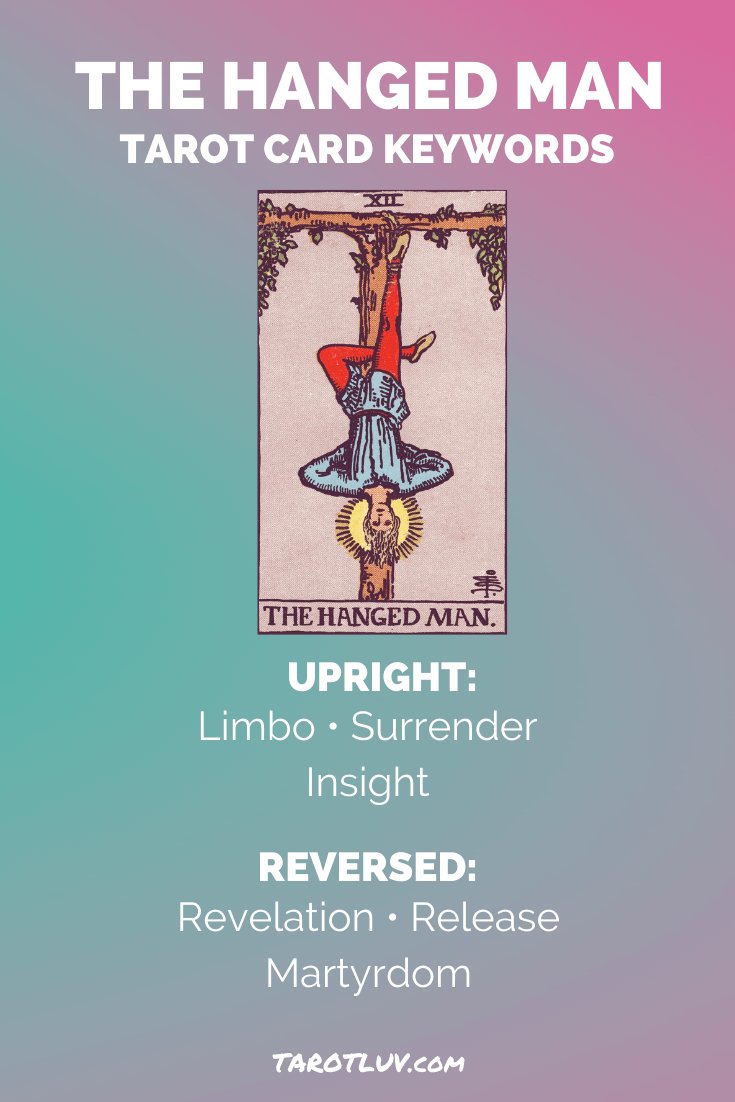
The Hanged Man is one of the most visually striking cards in the tarot deck. Depicted as a figure suspended upside-down, often with a serene expression, this card challenges conventional wisdom. At first glance, it may seem like a state of helplessness or stagnation, but in tarot symbolism, it represents a deliberate pause—a moment of suspension that invites new perspectives.
The upside-down position is not a sign of failure but a metaphor for seeing the world from a different angle. It suggests that what appears to be a setback could be an opportunity in disguise. The Hanged Man teaches us that sometimes, sacrifice is not about loss but about gaining clarity. By letting go of control, we open ourselves to insights that would otherwise remain hidden.
Imagine standing on your head—suddenly, the familiar landscape looks entirely new. This card embodies that shift in perception, urging you to question your assumptions and embrace a fresh viewpoint.
Sacrifice vs. Stalling: Decoding the Duality
One of the most debated aspects of the Hanged Man is whether it signifies sacrifice or stalling. The answer lies in the intention behind the suspension. If you’re clinging to old patterns, resisting change, or waiting for external forces to act, the card may indeed reflect a period of stalling. However, if you’ve consciously chosen to pause—perhaps to reflect, heal, or gain wisdom—then it’s a form of sacred sacrifice.
The Hanged Man’s sacrifice is not about punishment; it’s about surrendering to a higher wisdom. Think of it as a spiritual detox, where you release what no longer serves you to make space for growth. The card often appears when you’re being called to trust the process, even if the outcome isn’t immediately clear.
On the other hand, stalling implies a lack of progress or avoidance. The Hanged Man warns against passive waiting—it’s not about doing nothing but about choosing the right moment to act. The card encourages you to ask: Am I stalling out of fear, or am I surrendering to a necessary transformation?
The Symbolism of the Hanged Man: Colors, Objects, and Hidden Meanings
The imagery of the Hanged Man is rich with symbolism, each element offering clues to its deeper meaning. The hanging figure itself is often depicted with one leg bent, forming a triangle with the other leg—symbolizing balance and the union of opposites. The halo around the figure’s head represents enlightenment or a higher state of awareness.
The tree or post to which the figure is bound is usually a living tree, emphasizing growth and renewal. Even in suspension, life continues. The serene expression on the figure’s face suggests acceptance and peace, reinforcing the idea that this is a voluntary surrender rather than a forced one.
The golden background or light surrounding the card often signifies illumination—hinting that this period of suspension is leading to a breakthrough. The colors used in the card (often blues, purples, and golds) evoke spirituality, intuition, and wisdom, further emphasizing the card’s connection to inner transformation.
How the Hanged Man Appears in Readings: Practical Insights
When the Hanged Man appears in a tarot spread, its message depends on the context of the question and the surrounding cards. Here’s how to interpret it in different scenarios:
- Career/Finances: You may be feeling stuck in a job or financial situation that no longer aligns with your values. The Hanged Man suggests it’s time to reassess your path, even if it means making temporary sacrifices for long-term gain.
- Relationships: If you’re in a relationship that feels stagnant, the card could indicate a need for both partners to see each other from a new perspective. It might also signal a period of waiting—perhaps for a decision or a deeper emotional connection.
- Personal Growth: This is a powerful card for spiritual development. It may appear when you’re being called to let go of ego, trust the universe, or embrace a new belief system.
- Challenges: The Hanged Man can indicate a situation where you feel powerless, but it’s a reminder that power often lies in surrender. Sometimes, the best action is to pause and reflect before moving forward.
In reversed positions, the Hanged Man might warn against procrastination, self-sabotage, or resisting necessary change. It’s a call to break free from mental loops and take decisive action.
The Spiritual Lesson: Trusting the Process
At its core, the Hanged Man is a card of spiritual surrender. It teaches that growth often requires discomfort, and transformation isn’t always linear. The upside-down figure is a reminder that what feels like a setback may be a setup for a comeback.
Consider the natural world: trees shed their leaves in autumn, only to bloom again in spring. The Hanged Man embodies this cyclical wisdom—sometimes, you must let go to make room for what’s next. It’s not about giving up; it’s about surrendering to the unknown with faith.
This card also highlights the importance of active surrender. It’s not about passive resignation but about consciously choosing to trust the journey. Whether you’re facing a major life decision, a creative block, or a period of uncertainty, the Hanged Man encourages you to see the bigger picture.
Conclusion
The Hanged Man is far more than a card of sacrifice or stalling—it’s a profound invitation to shift your perspective, trust the process, and embrace the beauty of suspension. It reminds you that sometimes, the most powerful moves are the ones that require you to pause, reflect, and surrender control.
Next time this card appears in your reading, ask yourself: Am I stalling, or am I surrendering to a necessary transformation? The answer may just redefine your path.
FAQ
What does The Hanged Man tarot card symbolize?
The Hanged Man symbolizes a pause for reflection, sacrifice, and a new perspective, often indicating spiritual surrender and transformation.
Is The Hanged Man card about sacrifice or stalling?
It depends on intention; The Hanged Man can represent a conscious sacrifice for growth or an unconscious stalling due to fear or resistance to change.
How should I interpret The Hanged Man in reversed position?
In reversed position, The Hanged Man may warn against procrastination, self-sabotage, or resisting necessary change and encourages decisive action.
How does The Hanged Man relate to career readings?
It suggests reassessing your career path, possibly making temporary sacrifices or pauses to realign with your values for long-term benefit.
What spiritual lesson does The Hanged Man teach?
The Hanged Man teaches trust in the process of transformation, embracing discomfort and surrendering control to gain higher insight.
Leave a Reply