Short Answer
Welcome to your comprehensive guide to The Hierophant, also known as The Pope in some tarot decks. Whether you’re a beginner or an experienced reader, this guide will explore the symbolism, meanings, and practical applications of this powerful Major Arcana card. You’ll discover how The Hierophant represents tradition, spiritual guidance, and the search for deeper wisdom. By the end, you’ll understand its upright and reversed meanings, its role in tarot spreads, and how it connects to your personal and spiritual journey.
The Hierophant as a Symbol of Tradition and Spiritual Authority
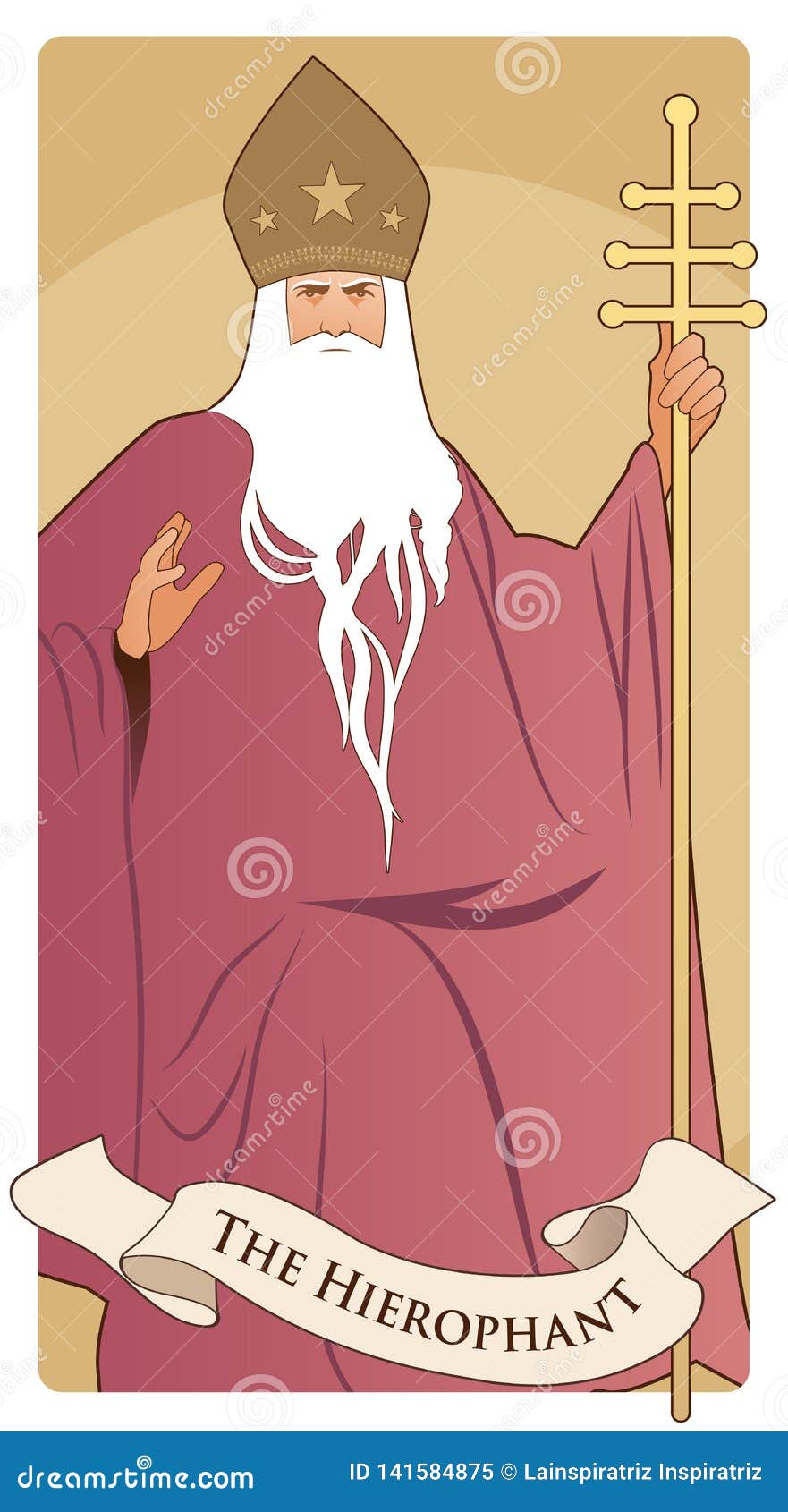
The Hierophant is the fifth card in the Major Arcana and embodies the concept of established tradition, religious doctrine, and spiritual mentorship. Often depicted as a religious figure—such as a pope, priest, or spiritual leader—sitting between two pillars, this card symbolizes the bridge between the divine and the earthly. The two pillars represent balance, often linked to the pillars of mercy and severity in the Tree of Life, or the duality of knowledge and ignorance.
In many traditional tarot decks, such as the Rider-Waite-Smith, The Hierophant wears papal vestments and holds a triple cross, signifying his role as a guide and interpreter of sacred teachings. The crossed keys at his feet suggest access to hidden knowledge or spiritual truths. This imagery underscores The Hierophant’s function as a teacher who imparts wisdom through structured learning and ritual.

Upright Meaning: Guidance, Conformity, and Spiritual Search
When The Hierophant appears upright in a reading, it signals a time of seeking wisdom, adhering to tradition, or receiving guidance from a mentor or spiritual authority. This card encourages you to explore structured paths of learning, whether through formal education, religious practice, or mentorship. It suggests that you may be drawn to institutions, teachers, or belief systems that provide a sense of stability and moral grounding.
On a personal level, The Hierophant upright can indicate a need to conform to societal or familial expectations, especially in matters of ethics or values. It may reflect a phase where you are questioning your beliefs or seeking answers within a structured framework. This card often appears when you are ready to deepen your spiritual practice or commit to a path that resonates with your inner truth.
Reversed Meaning: Dogma, Rebellion, and Personal Truth
In the reversed position, The Hierophant takes on a more critical tone. It may indicate resistance to tradition, a rejection of dogma, or a struggle with rigid belief systems. This card can signify feeling stifled by rules, institutions, or authority figures that no longer serve your growth. You might be questioning long-held beliefs or seeking a more authentic, individualized spiritual path.
The reversed Hierophant can also suggest hypocrisy or a disconnect between stated values and actions, whether in yourself or others. It may warn against blind conformity or encourage you to break free from outdated structures that no longer align with your truth. This card invites you to explore spirituality or knowledge on your own terms, without relying solely on external validation or tradition.
The Hierophant in Love and Relationships
In matters of the heart, The Hierophant often represents commitment within a traditional framework, such as marriage or a long-term partnership bound by shared values. It can indicate a relationship that is stable, respectful, and built on mutual beliefs or religious practices. If you are single, this card may suggest seeking a partner who aligns with your moral or spiritual principles.
However, in a reversed context, The Hierophant can signal a relationship that feels restrictive or out of sync with your personal growth. It may point to a need to reevaluate whether your partnership supports your individuality or if it’s based on outdated expectations. This card encourages open communication about values and long-term goals in relationships.
The Hierophant in Career and Finances
Career-wise, The Hierophant suggests a role that involves teaching, mentoring, or working within a structured organization, such as education, religion, or corporate training. It can indicate a period where you are seeking guidance from a mentor or taking on a leadership role that requires adherence to established principles. This card may also point to a job in a traditional field, such as law, academia, or religious institutions.
Financially, The Hierophant can signify the importance of ethical spending or investing in alignment with your values. It may encourage you to seek advice from a trusted financial advisor or to approach money matters with a sense of responsibility and long-term planning. Reversed, it could warn against following financial advice blindly or making decisions based on outdated or restrictive beliefs about wealth.
How to Interpret The Hierophant in Tarot Spreads
When The Hierophant appears in a spread, its meaning depends heavily on its position and surrounding cards. In a past position, it may reflect a time when you relied on tradition or mentorship for guidance. In the present, it could indicate a current need to seek wisdom or conform to certain expectations. In the future, it might suggest a commitment to a structured path or a decision that will shape your spiritual or moral direction.
Pairing The Hierophant with cards like The Lovers (for commitment), The Hermit (for introspection), or Justice (for ethical decisions) can provide deeper insight into how tradition and personal values intersect in your life. Conversely, cards like The Fool or Eight of Swords reversed may highlight a need to break free from limiting beliefs or dogma.
Connecting with The Hierophant’s Energy
To deepen your understanding of The Hierophant, consider meditating on its imagery or journaling about areas in your life where tradition and personal truth intersect. You might explore questions like: Where do I seek guidance? Do I follow external rules or forge my own path? How do my beliefs shape my decisions?
You can also work with The Hierophant’s energy by studying sacred texts, visiting places of worship, or engaging with mentors who embody wisdom and integrity. Creating an altar with symbols of tradition—such as candles, religious icons, or books—can help you connect with this card’s energy on a daily basis.
Conclusion
The Hierophant is a profound card that bridges the gap between the spiritual and the mundane, tradition and personal truth. Whether it appears upright or reversed, it invites you to reflect on the role of guidance, belief, and conformity in your life. By understanding its symbolism and applying its lessons, you can navigate your spiritual journey with greater clarity and purpose.
Remember, The Hierophant is not about blind adherence to dogma but about finding wisdom in structured paths while staying true to your inner voice. Use this guide as a tool to deepen your connection with this powerful archetype and to explore how tradition and personal truth can coexist in harmony.
FAQ
What is the primary symbolism of The Hierophant tarot card?
The Hierophant symbolizes spiritual authority, tradition, mentorship, and the bridge between divine wisdom and earthly understanding.
How does The Hierophant card affect tarot readings in career context?
It often indicates roles involving teaching, mentoring, or working within structured, traditional institutions like education, law, or religion.
What does The Hierophant reversed mean in a tarot spread?
It suggests resistance to established norms, questioning dogma, seeking personal spiritual truth, or feeling constrained by rigid belief systems.
Can The Hierophant card be related to love and relationships?
Yes, upright it represents commitment and traditional partnerships, while reversed it may signal restrictive relationships or misalignment with personal growth.
How can I deepen my connection with The Hierophant’s energy?
Meditate on its imagery, journal about your beliefs, study sacred texts, engage with mentors, and create altars with traditional symbols.
Leave a Reply