Short Answer
In this comprehensive guide, you’ll explore the deep and multifaceted meaning of The Hierophant tarot card. Whether you’re a tarot enthusiast, a spiritual seeker, or simply curious about symbolic wisdom, this article will help you understand the card’s significance in tradition, personal growth, and decision-making. You’ll discover interpretations across different contexts, practical advice for readings, and insights into balancing structure with personal intuition. By the end, you’ll have a clearer perspective on whether The Hierophant represents a guiding tradition or a limiting trap in your life.
The Hierophant as a Symbol of Tradition and Spiritual Authority
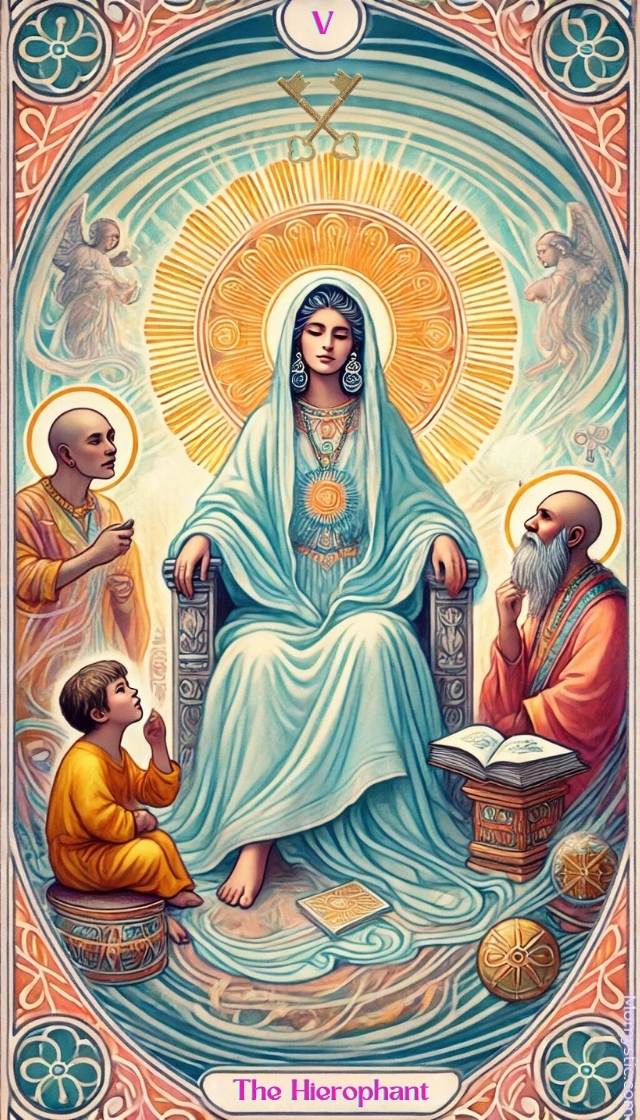
The Hierophant is often depicted as a religious figure, such as a priest or teacher, seated between two pillars in a temple setting. This imagery underscores the card’s association with established traditions, organized religion, and spiritual guidance. The Hierophant acts as a bridge between the divine and the earthly, offering wisdom passed down through generations. In readings, this card can signify the importance of adhering to conventional beliefs or seeking guidance from mentors, elders, or spiritual leaders.
When The Hierophant appears in a spread, it may suggest a need to honor traditions or follow a structured path. For instance, in matters of faith or education, this card encourages you to draw from established teachings rather than seeking entirely new or unconventional paths. It highlights the value of rituals, ceremonies, and the wisdom accumulated over time. However, it also prompts reflection: Are these traditions serving your growth, or are they becoming rigid constraints?

Balancing Structure and Personal Beliefs: The Hierophant’s Dual Nature
While The Hierophant emphasizes tradition, it also invites you to examine your personal relationship with these structures. The card’s dual nature lies in its ability to represent both stability and limitation. On one hand, it offers a sense of security through shared beliefs and collective wisdom. On the other, it may indicate a resistance to dogma or an urge to question inherited systems. This duality is crucial in understanding whether The Hierophant is guiding you toward growth or holding you back.
For example, if you’re facing a career decision, The Hierophant might suggest following a conventional path—such as pursuing a degree or apprenticeship in a respected field. However, it also encourages you to ask: Does this path align with your true passions, or are you conforming out of fear? The Hierophant challenges you to find a balance between respecting tradition and honoring your individual truth. It’s not about blindly following rules but about discerning which traditions empower you and which ones restrict your potential.

The Hierophant in Relationships and Social Conventions
In the context of relationships, The Hierophant often reflects societal norms, cultural expectations, and the roles we play within our communities. It can appear when you’re navigating commitments, such as marriage, partnerships, or family expectations. For instance, if you’re considering a long-term relationship, this card might highlight the importance of shared values and mutual respect for traditions. It could also signal a need to align with your partner’s beliefs or to find common ground in your spiritual or moral outlooks.
However, The Hierophant also warns against conforming to relationships that feel stifling or inauthentic. If you feel pressured to adhere to outdated expectations—such as gender roles, cultural obligations, or familial demands—this card urges you to question whether these structures truly serve your happiness. It’s a reminder that while traditions can provide a framework for harmony, they should never override your sense of self or personal agency.
Practical Advice: How to Work with The Hierophant’s Energy
If The Hierophant frequently appears in your readings, it’s worth exploring how its energy manifests in your life. Here are some practical ways to engage with its lessons:
- Seek Guidance Wisely: Look for mentors or teachers who embody wisdom without imposing rigid dogma. The Hierophant encourages learning from experience but cautions against blind obedience.
- Examine Your Beliefs: Take time to reflect on the traditions you uphold. Are they meaningful to you, or do they feel outdated? Journaling or meditation can help clarify your true feelings.
- Find a Middle Path: If you feel torn between tradition and personal growth, consider blending both. For example, you might honor cultural heritage while adapting practices to fit your modern lifestyle.
- Question Authority When Necessary: The Hierophant isn’t about rejecting all structure but about discerning which rules serve you. Don’t be afraid to challenge systems that no longer align with your values.
Common Misinterpretations of The Hierophant
One of the most common mistakes is viewing The Hierophant solely as a card of restriction. While it does represent structure, this structure can be a source of strength rather than confinement. Another misconception is associating The Hierophant exclusively with religion. Though it often relates to spiritual traditions, its message extends to any system of belief or conventional wisdom, including education, family values, or societal norms.
Additionally, some interpret The Hierophant as a sign to avoid change entirely. However, the card’s true message is about discernment—knowing when to embrace tradition and when to break free from it. It’s not about stagnation but about making informed choices that honor both the past and your personal evolution.
Conclusion
The Hierophant is a powerful card that challenges you to reflect on the role of tradition in your life. It’s not merely about following rules but about understanding the deeper purpose behind the structures you engage with. Whether it appears in a reading about career, relationships, or personal growth, The Hierophant invites you to ask critical questions: Are these traditions serving your highest good, or are they limiting your potential? By balancing respect for the past with your individual truth, you can harness The Hierophant’s wisdom to create a life that is both grounded and authentically yours.
FAQ
What does The Hierophant card represent in tarot readings?
The Hierophant symbolizes tradition, spiritual authority, and established systems of belief. It encourages respect for conventional wisdom while also inviting reflection on personal beliefs and the balance between conformity and individuality.
Can The Hierophant card indicate limitations or restrictions?
Yes, while The Hierophant often represents structure and guidance, it can also point to rigid dogma or limiting traditions that may hold a person back if followed blindly.
How can I work with the energy of The Hierophant in my life?
Practical ways include seeking wise mentors, reflecting on your personal beliefs, blending tradition with personal growth, and discerning which rules or systems serve your development and which do not.
Is The Hierophant only about religion?
No, although it is often associated with religious or spiritual traditions, The Hierophant’s message extends to any system of conventional wisdom, including education, cultural norms, and family values.
Leave a Reply