Short Answer
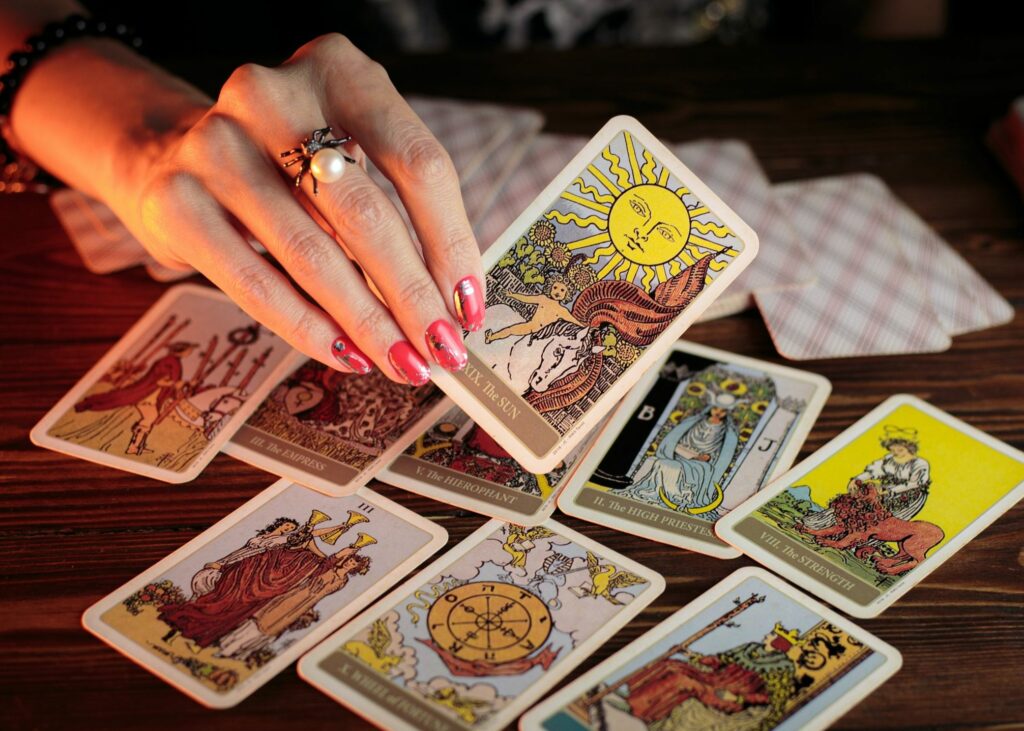
In the realm of Tarot, The Hierophant card occupies a distinctive space, often regarded as a symbol of tradition, spiritual authority, and the conduit between the divine and the earthly realm. When viewed through the lens of Christian perspective, this card unfurls layers of meaning that resonate with beliefs, rituals, and ecclesiastical structures familiar to many. To truly grasp the significance of The Hierophant, it is essential to delve into its symbolism, relevance, and the common observations that bind it to Christian teachings.
The Hierophant, depicted typically as a religious figure—be it a pope, high priest, or cleric—is emblematic of organized religion and dogmatic teachings. This card serves as a reminder of the rituals and customs that underpin spiritual practice. In Christianity, this reflects the role of the church as an institution that conveys divine wisdom and fortifies the community through its teachings. The card invites individuals to contemplate how institutional teachings shape their spiritual journeys. In an era where personal interpretation of faith becomes increasingly popular, The Hierophant embodies the dichotomy between following a predetermined path and exploring personal spirituality.
Christianity values tradition, with its rich history encompassing centuries of theological discourse and communal worship. The Hierophant symbolizes this deep-rooted connection, encouraging adherents to engage with their faith’s foundational narratives. The Christian Bible, replete with allegorical tales, parables, and commandments, serves as the analogue to the esoteric wisdom handed down from the Hierophant. Readers are called to embrace their heritage, understanding that their beliefs are interwoven with the teachings of their forebears. This intertwining of past and present creates a sense of continuity, allowing believers to situate themselves within a larger narrative.
One common observation about The Hierophant is its role as a connector—linking the divine with the earthly. Traditionally, images associated with the card often feature the Hierophant seated between two pillars, symbolizing the bridge between opposites such as heaven and earth, spirit and matter. In Christianity, this idea is mirrored in the depiction of Christ as both human and divine. The Hierophant encourages followers to explore this duality, embracing their humanity while aspiring to spiritual transcendence. This journey can lead to an awareness of the complexities inherent in navigating everyday life while remaining faithful to one’s spiritual ideals.
Furthermore, The Hierophant also admonishes individuals to seek guidance and mentorship within their spiritual lives. In the Christian context, this can translate into the act of engaging with pastors, priests, or spiritual leaders who interpret scripture and provide insights into faith-based living. This guidance is imperative, as it fosters a deeper understanding of doctrinal beliefs and ethical living in accordance with the faith. Community worship and participation in sacraments serve as practical embodiments of this guiding principle, reinforcing communal values and shared convictions.
Yet, despite the emphasis on tradition, The Hierophant prompts observers to address the underlying reasons for their fascination with authority figures. The hierarchical structure within any religious institution can evoke questions about power dynamics, individual autonomy, and the nature of belief. In contemporary Christian discourse, this reflection is crucial. The pursuit of certainty within a broader framework may inadvertently lead to stagnation or blind adherence, rather than a vigorous faith that resonates with personal values and experiences. Thus, The Hierophant challenges followers to find equilibrium between embracing tradition and cultivating individual authenticity.
Christian practitioners are often encouraged to forge their paths while respecting established doctrines. The Hierophant serves as an impetus for introspection—encouraging individuals to assess their relationship with tradition versus personal belief. This tension can cultivate a dynamic spirituality, where faith evolves through personal experiences, empathetic understanding, and charitable actions, mirroring Christ’s teachings of love and humility.
Moreover, The Hierophant’s presence in a reading often signifies the need for structure in a chaotic world. Its emphasis on education and wisdom can resonate particularly with those grappling with uncertainty in their faith journey. Within the framework of Christianity, this may manifest as a call to deepened study—be it through biblical scholarship, participation in church workshops, or friend groups dedicated to spiritual exploration. As believers navigate their unique situations, the card can illuminate the path toward clarity, leading to a more profound understanding of one’s relationship with God and community.
Incorporating The Hierophant’s teachings into daily life can have transformative effects. Many Christians find themselves reflecting on how they engage with biblical principles in contemporary life—how traditional rites influence modern faith decisions, and how church doctrines resonate with personal convictions. The exploration of these themes can lead to a more integrated approach to spirituality, where the wisdom of the past enhances the authenticity of the present.
Ultimately, The Hierophant occupies a unique space in the Tarot; it embodies the synthesis of tradition and personal belief. The fascination with this card within the Christian perspective unveils the complexities of navigating faith—between adhering to established doctrine and the quest for personal meaning. Through contemplation, guidance, and the courage to embrace individuality while honoring communal wisdom, individuals can cultivate a vibrant spiritual life that reflects the essence of both The Hierophant and the teachings of Christianity. This dual embrace not only enriches the believer’s journey but also enhances the community’s collective strength, fostering a more profound connection to both God and one another.
FAQ
What does The Hierophant card symbolize in Tarot?
The Hierophant symbolizes tradition, spiritual authority, mentorship, and the connection between the divine and earthly realms.
How is The Hierophant card interpreted from a Christian perspective?
From a Christian perspective, The Hierophant represents organized religion, church teachings, spiritual guidance through clergy, and the balance between following established doctrine and personal faith.
What is the significance of The Hierophant's imagery with two pillars?
The two pillars symbolize the bridge between opposites such as heaven and earth or spirit and matter, reflecting the dual nature of Christ as both human and divine.
How can The Hierophant card guide personal spiritual growth?
The card encourages seeking mentorship, engaging with religious teachings, and balancing tradition with personal authenticity to cultivate a dynamic spirituality.
Leave a Reply