Short Answer
This guide explores the versatile world of playing cards and V cards, offering insights into their uses, variations, and creative applications. Whether you’re a game enthusiast, educator, or event organizer, you’ll discover how these simple tools can enhance entertainment, learning, and social interactions. From classic card games to innovative icebreakers, we cover everything you need to know to maximize their potential.
Understanding Playing Cards: A Timeless Tool
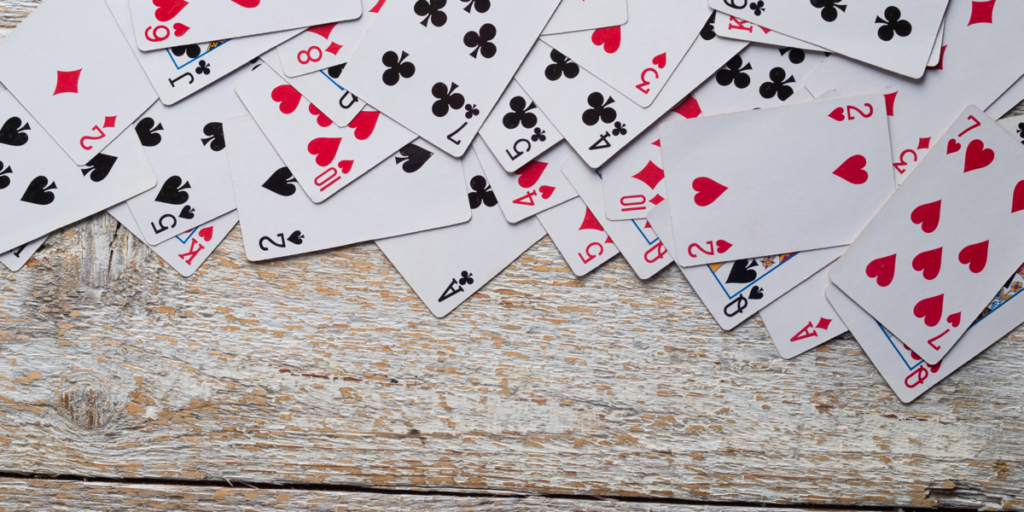
Playing cards have been a staple in human culture for centuries, evolving from ancient games to modern entertainment. Traditionally, they consist of a deck divided into four suits—hearts, diamonds, clubs, and spades—each containing numbered cards and face cards like kings, queens, and jacks. However, their utility extends far beyond traditional games. Playing cards can be used for educational purposes, such as teaching math, probability, or even language skills. They also serve as a foundation for countless card games, from poker and blackjack to solitaire and bridge. Their compact size and universal appeal make them an accessible tool for people of all ages and backgrounds.
Exploring V Cards: What Sets Them Apart?
V cards, often referred to as “visual cards,” are a specialized type of playing card designed to convey specific information through images, symbols, or text. Unlike traditional playing cards, V cards are tailored for particular purposes, such as educational tools, therapeutic aids, or interactive games. For example, a deck of V cards might include images of animals for a memory game or symbols representing emotions for a counseling session. Their flexibility allows them to be customized for diverse applications, making them invaluable in settings like classrooms, therapy sessions, or team-building exercises. The key advantage of V cards is their ability to engage users visually and contextually, enhancing comprehension and retention.
.jpg/1512821000000502031/1100x1100)
Creative Uses of Playing Cards in Games
Playing cards are the backbone of countless games, each offering unique challenges and entertainment. Classic games like poker and blackjack rely on strategy and chance, while games like Uno introduce colorful, rule-bending variations. For families, games like Go Fish and Crazy Eights are perfect for younger players, teaching turn-taking and basic math skills. Beyond traditional games, playing cards can be adapted for creative purposes. For instance, a deck can be used to create a storytelling game where each card drawn inspires a new narrative twist. Alternatively, cards can be used in physical challenges, such as balancing them on one’s head or stacking them into intricate structures. The possibilities are limited only by imagination, making playing cards a versatile tool for both fun and learning.
V Cards in Education: Enhancing Learning Experiences
In educational settings, V cards serve as powerful visual aids that cater to different learning styles. For young children, decks featuring images of objects, animals, or letters can reinforce vocabulary and recognition skills. Teachers can use V cards to create interactive lessons, such as matching games or flashcard drills. For older students, V cards can be designed to represent historical events, scientific concepts, or mathematical formulas, making complex topics more digestible. In special education, V cards can be customized to support individuals with specific needs, such as those with autism or ADHD, by using images that resonate with their experiences. The tactile and visual nature of V cards makes them an effective tool for engaging students and improving retention.

Playing Cards as Icebreakers in Social Settings
Playing cards are excellent icebreakers in social gatherings, conferences, or team-building events. Games like “Two Truths and a Lie” can be adapted using cards to prompt discussions, while card-based activities like “Human Knot” or “Card Towers” encourage collaboration and communication. For larger groups, a deck of cards can be used to facilitate mingling by assigning conversation topics or challenges based on the card drawn. V cards, in particular, can be designed to spark meaningful conversations by featuring prompts like “Share a memorable trip” or “Describe your ideal weekend.” These activities not only break the ice but also foster connections and create a more inclusive atmosphere.
Therapeutic Applications of V Cards
V cards have found a valuable place in therapeutic settings, where they are used to facilitate communication, emotional expression, and cognitive development. In counseling, V cards featuring images of faces or scenarios can help clients articulate their feelings or experiences. Therapists working with children or individuals with trauma may use V cards to create a safe space for storytelling or role-playing. In cognitive behavioral therapy, V cards can be used to challenge negative thought patterns by presenting alternative perspectives. Additionally, V cards can be incorporated into mindfulness exercises, where users select a card to focus on a specific emotion or intention for the day. Their adaptability makes them a powerful tool for mental health professionals.
DIY Projects: Customizing Your Own Playing Cards and V Cards
Creating your own playing cards or V cards is a rewarding project that allows for personalization and creativity. For traditional playing cards, you can design custom decks with unique artwork, themes, or inside jokes. Websites and print-on-demand services make it easy to produce high-quality decks tailored to your preferences. For V cards, the process involves selecting or creating images that align with your goals. For example, a teacher might design a deck of V cards featuring math symbols for a classroom activity, while a therapist could create a deck focused on emotional expressions. Tools like Canva or Adobe Illustrator can help you design and print your cards, or you can use pre-made templates available online. The key is to align the content with your intended audience and purpose.
Choosing the Right Cards for Your Needs
Selecting the right type of cards depends on your specific goals and audience. For traditional games, a standard deck of playing cards is sufficient, but consider the complexity of the game and the age group you’re targeting. If you’re using cards for educational purposes, V cards with clear, relevant images are ideal. For therapeutic or social settings, opt for cards that are visually appealing and emotionally resonant. Durability is another factor to consider, especially if the cards will be handled frequently. Laminated or plastic-coated cards are more durable and easier to clean, making them suitable for shared environments. Additionally, consider the size of the cards; larger cards are easier to handle for children or individuals with motor skill challenges, while smaller cards may be preferred for portability.
Conclusion
Playing cards and V cards are more than just tools for entertainment—they are versatile instruments that can be adapted for education, therapy, social interaction, and creative expression. Whether you’re looking to enhance a classroom lesson, break the ice at a party, or support emotional well-being, these cards offer endless possibilities. By understanding their unique features and applications, you can unlock their full potential and create meaningful experiences for yourself and others. Embrace the creativity and adaptability of playing cards and V cards, and discover how they can enrich your personal and professional endeavors.
FAQ
What are V cards?
V cards, or visual cards, are specialized cards designed to convey information through images, symbols, or text, often used for education, therapy, or interactive games.
How can playing cards be used in education?
Playing cards can teach math, probability, language skills, and support interactive learning through games and activities.
What are some therapeutic uses of V cards?
V cards help facilitate communication, emotional expression, and cognitive development in counseling and therapy sessions.
How do I choose the right type of cards for my needs?
Choose cards based on your audience and purpose, considering factors like visual appeal, durability, size, and the complexity of the intended use.
Can I create my own custom playing or V cards?
Yes, custom cards can be designed using graphic tools or print-on-demand services, allowing personalization for education, therapy, or entertainment.
Leave a Reply