Short Answer
Welcome to a fascinating journey into the world of Roman numerals! In this guide, you’ll uncover the secrets behind the Roman numeral XIX, learn how to convert it into a modern decimal number, and explore its historical and practical significance. Whether you’re a history enthusiast, a math lover, or simply curious about ancient numbering systems, this article will provide you with everything you need to know about XIX. By the end, you’ll even face a playful challenge to test your newfound knowledge!
What is the Roman Numeral XIX?
The Roman numeral XIX is a combination of two Roman symbols: X and I. In Roman numerals, X represents the number 10, while I stands for 1. The numeral XIX is written by placing a smaller numeral (I) before a larger one (X), which follows the subtractive principle—a rule where a smaller value preceding a larger one indicates subtraction.
Breaking it down: XIX = X + (X – I) = 10 + (10 – 1) = 19. This elegant system was used by the ancient Romans for trade, engineering, and record-keeping, and it remains a captivating part of our cultural heritage today.
How to Convert XIX to a Decimal Number
Converting Roman numerals to decimal numbers is straightforward once you understand the rules. Here’s a step-by-step guide to converting XIX to its decimal equivalent:
- Identify the symbols: X (10) and I (1).
- Apply the subtractive principle: When a smaller numeral appears before a larger one, subtract the smaller from the larger. Here, I comes before X, so it’s 10 – 1 = 9.
- Add the values: Combine the results. The first X is 10, and the IX is 9, so 10 + 9 = 19.
This method ensures accuracy and helps you decode any Roman numeral with confidence. Practice with other numerals like IV (4) or XL (40) to master the technique!
The Historical Significance of Roman Numerals
Roman numerals originated in ancient Rome and were widely used throughout the Roman Empire for various purposes, including inscriptions, coins, and official documents. Their simplicity and adaptability made them ideal for trade and administration. Even today, Roman numerals are used in clocks, book chapters, movie sequels, and formal events like the Super Bowl or the Olympics.
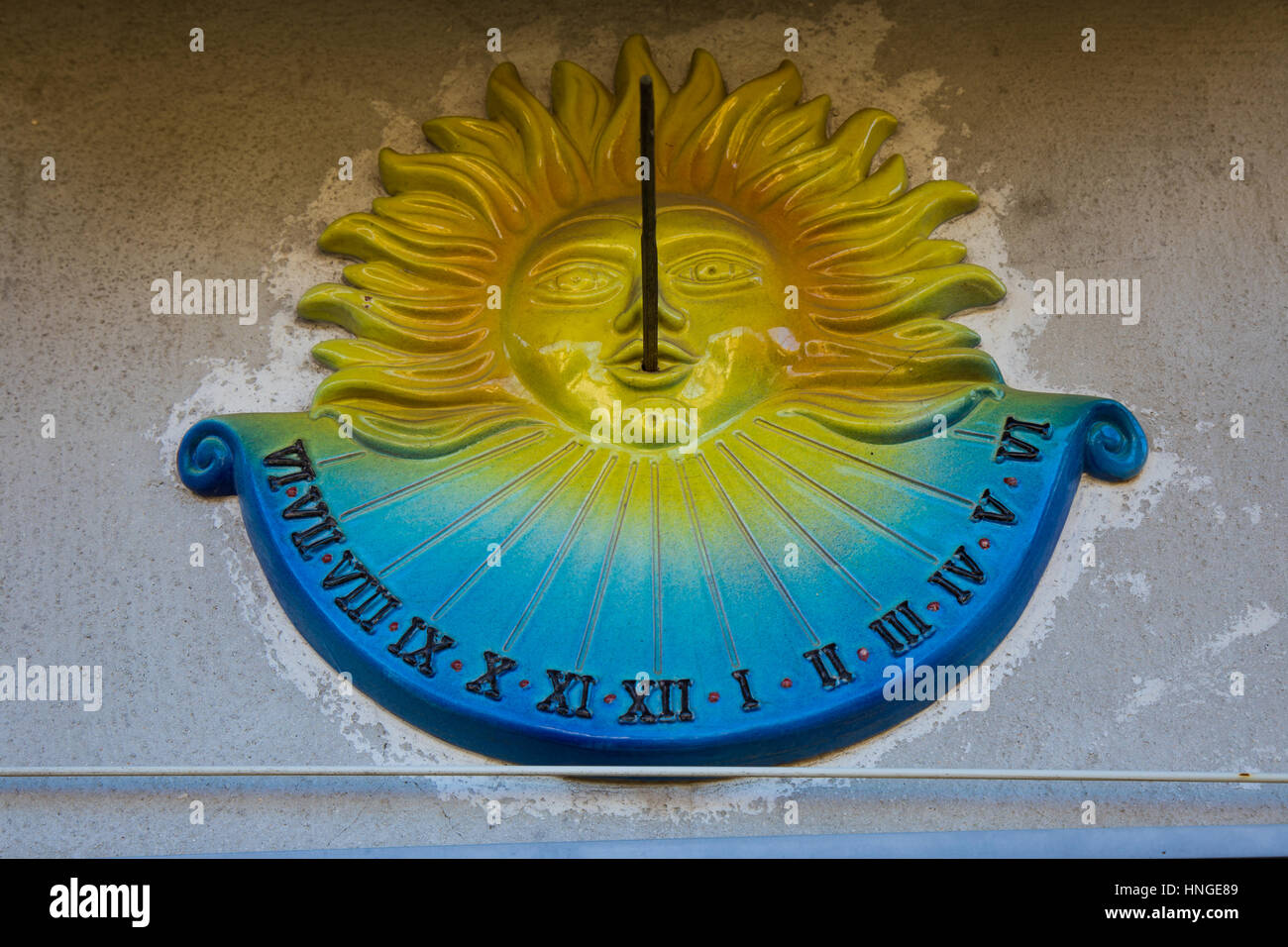
The numeral XIX itself might remind you of historical events, such as the 19th century or the 19th Olympic Games. Its presence in sundials and monuments also highlights its role in measuring time and marking significant moments in history. Understanding Roman numerals offers a glimpse into the ingenuity of ancient civilizations and their lasting influence on modern society.
Practical Uses of XIX in Modern Times
While Roman numerals are no longer the primary numbering system, they retain a special place in contemporary culture. Here are some practical and creative ways XIX and other Roman numerals appear today:
- Clocks and Watches: Many analog clocks and watches use Roman numerals to denote hours, adding a classic and elegant touch.
- Movie Titles: Sequels and prequels often use Roman numerals, such as “Rocky XIX” or “Star Wars Episode XIX.”
- Events and Competitions: Major events like the Super Bowl (e.g., Super Bowl XIX) and the Olympics (e.g., the 19th Winter Olympics) employ Roman numerals for a formal and timeless presentation.
- Architecture and Design: Roman numerals are frequently used in building cornerstones, monuments, and decorative elements to evoke a sense of tradition and grandeur.
- Gaming and Media: Video games, books, and music albums sometimes use Roman numerals to create intrigue and highlight significance.
A Playful Challenge: Can You Decode These Roman Numerals?
Now that you’ve learned about XIX, it’s time to put your knowledge to the test! Below are three Roman numerals for you to decode. Try to convert them to decimal numbers without peeking at the answers:
- XXIV
- XLII
- XCIX
Take your time to analyze each numeral, apply the rules you’ve learned, and jot down your answers. Once you’re ready, check your results against the correct conversions below:
- XXIV = 24 (10 + 10 + (5 – 1))
- XLII = 42 ((50 – 10) + 1 + 1)
- XCIX = 99 ((100 – 10) + (10 – 1))
How did you do? If you answered all three correctly, congratulations—you’re now a Roman numeral expert! If not, don’t worry; practice makes perfect. Try creating your own Roman numerals and converting them to decimal numbers to reinforce your skills.
Conclusion
The Roman numeral XIX is more than just a combination of letters; it’s a bridge to the past and a testament to the ingenuity of ancient civilizations. From its role in historical records to its modern-day applications in clocks, movies, and events, XIX continues to captivate and inspire. By understanding how to read and convert Roman numerals, you unlock a deeper appreciation for their enduring legacy.
Next time you see a clock with Roman numerals or watch a movie with a Roman numeral title, take a moment to decode it. Who knows? You might just impress your friends with your newfound knowledge. Keep exploring, practicing, and challenging yourself—because the world of Roman numerals is full of surprises waiting to be discovered!
FAQ
What does the Roman numeral XIX represent?
The Roman numeral XIX represents the number 19.
How do you convert Roman numerals to decimal?
You convert Roman numerals to decimal by identifying the symbols and applying the subtractive principle when a smaller numeral precedes a larger one.
Leave a Reply