Short Answer
Have you ever wondered what life would be like if the world were turned upside down? What if gravity worked differently, or the sky was where the ground should be? The concept of an “upside-down world” isn’t just a whimsical fantasy—it’s a playful challenge to our perception of reality. In this guide, we’ll explore the idea of a reversed world, its cultural significance, artistic representations, and even how you can imagine or create your own version of it. By the end, you’ll see how this simple inversion can spark creativity, introspection, and even a bit of fun.
What Is an Upside-Down World?
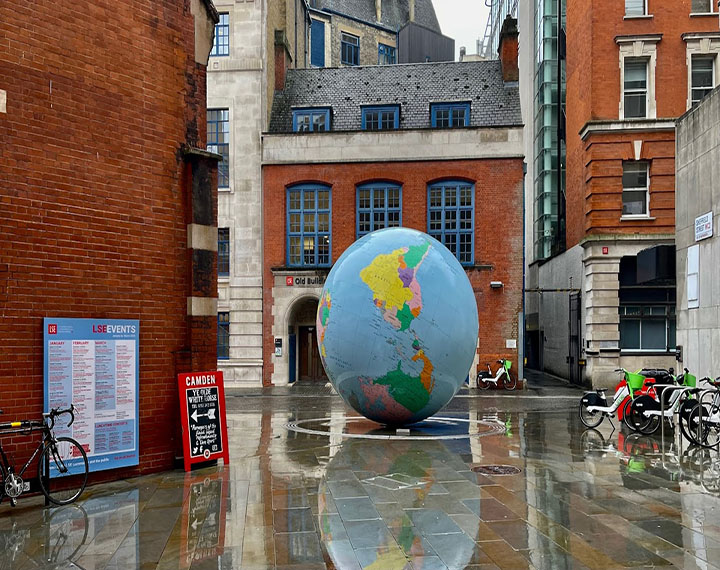
An upside-down world, often referred to as “The World Reversed,” is a concept where the natural order of things is flipped. This could mean gravity pulling objects upward, landscapes appearing inverted, or even social norms being turned on their heads. The idea challenges our everyday experiences and invites us to question what we take for granted. In mythology, literature, and art, this trope has been used to symbolize chaos, transformation, or a fresh perspective. For example, in dreams or surreal art, an upside-down world can represent subconscious thoughts or a break from reality.
Visually, an upside-down world is often depicted with familiar scenes—like trees growing from the ground, people walking on ceilings, or rivers flowing upward. These images play with our expectations and create a sense of wonder. The contrast between the familiar and the unfamiliar makes the concept both intriguing and thought-provoking.
The Cultural and Historical Significance
Throughout history, the idea of an upside-down world has appeared in various cultures and traditions. In ancient myths, some societies believed in antipodal lands where people lived “upside down” due to the Earth’s curvature. These stories often served as metaphors for the unknown or the mysterious. Similarly, in medieval and Renaissance art, inverted worlds were sometimes used to depict hell or chaotic realms, contrasting with the order of heaven.
In modern times, the upside-down world has become a popular theme in literature and media. Books like Alice’s Adventures in Wonderland and films like Inception use inversion to explore themes of identity, perception, and reality. Even in pop culture, the trope appears in music videos, video games, and memes, proving its enduring appeal. The upside-down world isn’t just a visual trick—it’s a way to challenge our understanding of the world around us.
Artistic Representations of the Upside-Down World
Artists have long been fascinated by the idea of inversion, using it to create striking and thought-provoking works. Surrealist painters like Salvador Dalí and René Magritte often played with perspective, making objects and landscapes appear upside down or distorted. These artworks invite viewers to look beyond the surface and question their perceptions. Photography, too, has embraced the concept, with photographers manipulating images to create surreal, gravity-defying scenes.
Digital art and graphic design have taken the upside-down world to new heights. With tools like Photoshop and 3D modeling software, artists can create hyper-realistic inverted landscapes or impossible architectures. These creations often go viral on social media, sparking conversations about reality and imagination. Even street art and murals have used inversion to engage passersby, turning ordinary walls into mind-bending experiences.
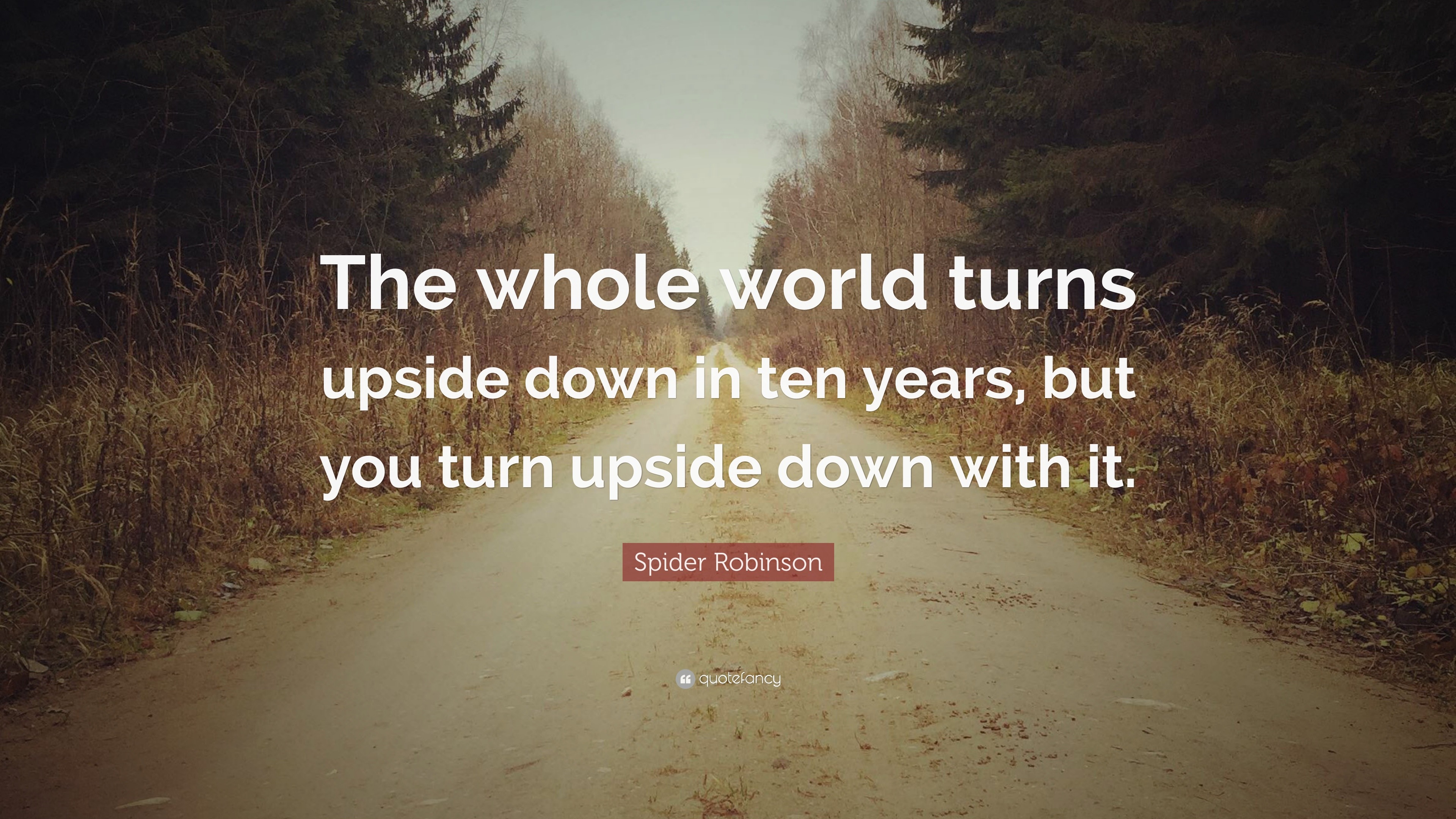
How to Imagine Your Own Upside-Down World
Creating your own upside-down world can be a fun and creative exercise. Start by asking yourself: What if gravity worked differently? What would a day in this world look like? Would people walk on ceilings, or would trees grow downward? Sketching or writing about this world can help you flesh out the details. Consider the rules of this new reality—does time flow differently? Are there new social norms or creatures that thrive in this environment?
You can also use everyday objects to visualize an upside-down world. Take a photo of a familiar scene and flip it vertically to see how it changes. Or, rearrange furniture in your room to mimic an inverted space. This hands-on approach can spark ideas for stories, art, or even philosophical discussions. The key is to embrace the absurdity and let your imagination run wild.
The Challenge of Living in an Upside-Down World
While the idea of an upside-down world is exciting, it also presents challenges. How would daily life function if the world were reversed? Navigation would become difficult—maps would need to be redrawn, and GPS systems would have to account for inverted landscapes. Social interactions might also change, as body language and facial expressions could take on new meanings. For example, a nod might mean “no” instead of “yes” in this reversed reality.
Biologically, humans and animals would need to adapt. Our inner ears, which help us balance, would struggle in an inverted world. Plants might grow in unexpected directions, and ecosystems would have to evolve to survive. Even something as simple as pouring a glass of water would become a puzzle. These challenges highlight how deeply we rely on the natural order of the world—and how fragile that order can feel when disrupted.
Upside-Down World in Pop Culture and Media
Pop culture has embraced the upside-down world as a way to explore complex themes. In the TV show Stranger Things, the “Upside Down” is a dark, inverted version of the real world, symbolizing chaos and danger. In the movie The Matrix, the protagonist learns that his reality is a simulation, challenging his perception of the world. Even in video games like Portal, players navigate through inverted spaces, solving puzzles that rely on perspective and gravity.
Music and fashion have also drawn inspiration from the upside-down world. Album covers and music videos often feature surreal, gravity-defying imagery to evoke a sense of disorientation or rebellion. Fashion designers have created clothing and accessories that play with inversion, such as dresses with patterns that look different when worn upside down. These creative choices reflect the theme’s versatility and its ability to resonate across different mediums.
Conclusion
The upside-down world is more than just a fun visual trick—it’s a lens through which we can question reality, spark creativity, and explore the unknown. Whether it appears in art, literature, or our own imaginations, the concept challenges us to see the world from a new angle. It reminds us that the way we perceive reality is not fixed and that even the most ordinary things can be transformed with a little imagination.
Next time you see the world from a different perspective, ask yourself: What if it were upside down? How would that change your understanding of life, art, or even yourself? The upside-down world isn’t just a fantasy—it’s an invitation to think differently and embrace the endless possibilities of a reality turned on its head.
FAQ
What is an upside-down world?
An upside-down world is a concept where the natural order of things is inverted, challenging our perceptions and inviting creativity.
Where is the upside-down world represented?
It appears in various cultures, literature, and art, symbolizing chaos and transformation.
Leave a Reply