Short Answer
This guide explores the multifaceted concept of “Upside Down Chariot – Going Nowhere Fast,” breaking down its artistic, cultural, and symbolic significance. Readers will discover the origins of the phrase, its representation in visual art, and its broader implications in literature and media. Whether you’re an art enthusiast, a history buff, or simply curious about unconventional symbolism, this article offers a deep dive into a thought-provoking theme.
The Origin and Meaning of “Going Nowhere Fast”
The phrase “going nowhere fast” is often used colloquially to describe a situation where efforts yield little to no progress despite significant energy or resources being expended. In the context of the “Upside Down Chariot,” this phrase takes on a more symbolic and metaphorical dimension. The chariot, a vehicle historically associated with power, speed, and progress, is inverted, suggesting a reversal of expectations. This inversion can represent stagnation, futility, or even a critique of conventional notions of success and advancement. The juxtaposition of movement (“going”) with stagnation (“nowhere”) creates a paradox that invites deeper interpretation, making it a compelling subject for artistic expression.
Artistic Representations of the Upside Down Chariot
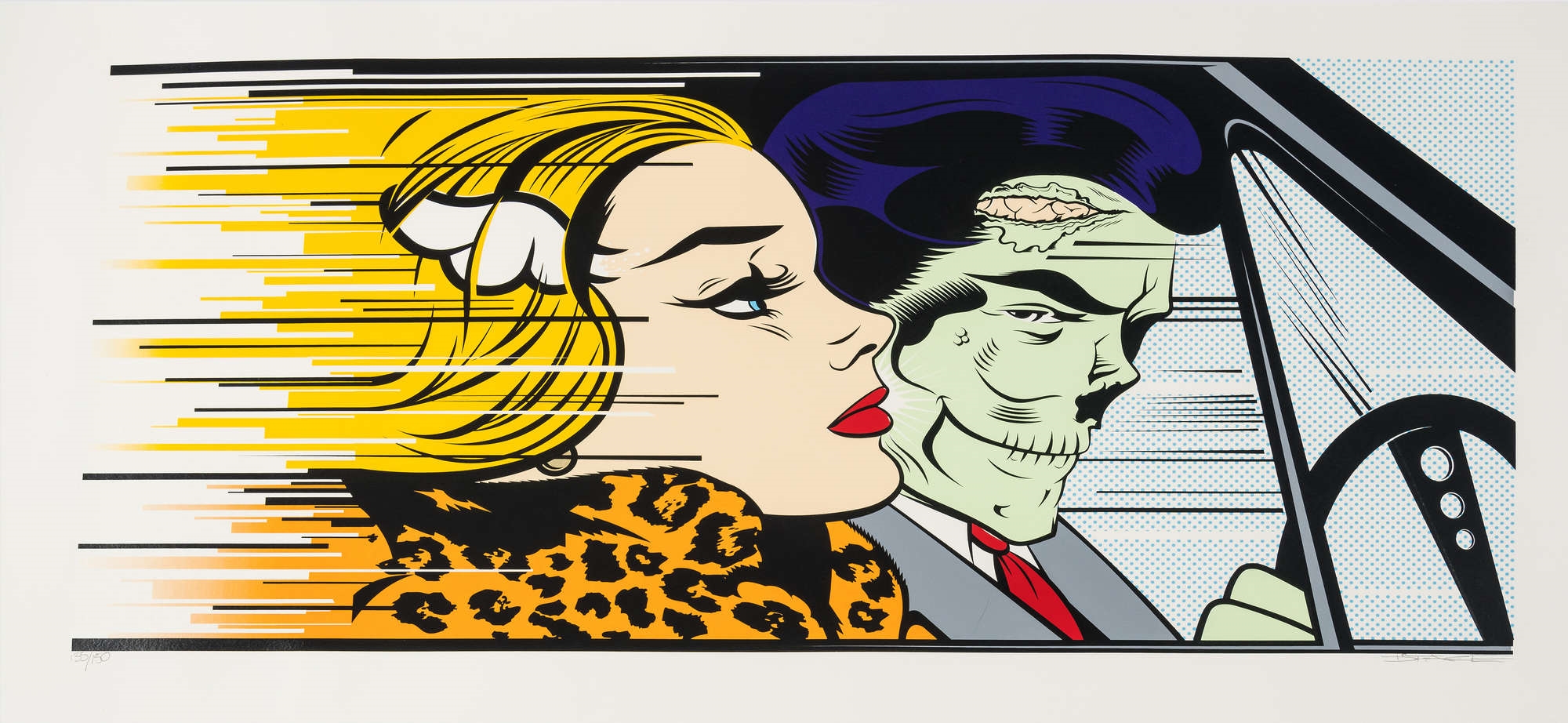
Artists have long used symbolic imagery to convey complex ideas, and the upside-down chariot is no exception. One notable example is the work by D*Face, titled Going Nowhere Fast (2011), which visually captures the essence of the phrase through bold, graphic imagery. The artwork often features the chariot in a distorted or inverted state, emphasizing the theme of futility. Such representations can be found in various mediums, including paintings, digital art, and even street art, each offering a unique perspective on the concept.
Symbolism in Historical and Cultural Contexts
The chariot has been a powerful symbol throughout history, often representing authority, conquest, and progress. In ancient civilizations like Rome and Greece, chariots were associated with military might and divine favor. However, when inverted, the chariot can signify the collapse of these ideals or the futility of human endeavors. This symbolism is not limited to Western traditions; similar motifs can be found in other cultures, where the chariot or its equivalent represents the cyclical nature of life and the inevitability of setbacks. The upside-down chariot, therefore, serves as a universal metaphor for the challenges of achieving meaningful progress.
The Role of Literature and Media in Shaping the Concept
Beyond visual art, the theme of “going nowhere fast” has been explored in literature and media. In poetry and prose, authors often use the chariot as a metaphor for life’s struggles, where characters find themselves trapped in cycles of effort without reward. Films and television shows have also adopted this imagery, using the inverted chariot to depict characters or societies in decline. These narratives resonate with audiences because they reflect universal experiences of frustration and stagnation, making the theme relatable and thought-provoking.
Psychological and Philosophical Interpretations
From a psychological perspective, the upside-down chariot can be seen as a representation of cognitive dissonance—the mental discomfort experienced when actions do not align with desired outcomes. Philosophically, it echoes existential themes, such as the absurdity of life’s pursuits or the struggle against entropy. Thinkers like Albert Camus and Jean-Paul Sartre have explored similar ideas, where the human condition is marked by a constant battle against futility. The inverted chariot encapsulates this tension, serving as a visual metaphor for the human experience of striving without guaranteed success.
Modern Applications and Relevance
In contemporary society, the concept of “going nowhere fast” resonates in discussions about climate change, economic inequality, and political stagnation. The image of an upside-down chariot can be applied to these modern crises, where systemic issues seem insurmountable despite collective efforts. Artists and activists often use this imagery to critique societal structures that perpetuate inefficiency and injustice. By reimagining the chariot, they challenge viewers to question the status quo and consider alternative paths forward.
How to Interpret the Upside Down Chariot in Personal Contexts
On a personal level, the upside-down chariot can serve as a reminder to reassess goals and methods. It encourages introspection about whether one’s efforts are leading to meaningful change or merely spinning wheels. This metaphor can be particularly useful in career planning, relationships, or personal growth, where setbacks are common. By recognizing the potential for stagnation, individuals can pivot their strategies or accept that some pursuits may inherently lack progress, fostering a healthier relationship with ambition and failure.
Conclusion
The upside-down chariot—”Going Nowhere Fast”—is a rich and versatile symbol that transcends artistic and cultural boundaries. Whether viewed through the lens of art, literature, psychology, or modern issues, it offers a poignant commentary on the human experience. By exploring its various interpretations, readers can gain a deeper understanding of the themes of futility, progress, and resilience. This guide has provided a comprehensive overview of the concept, equipping readers with the knowledge to appreciate its depth and relevance in both historical and contemporary contexts.
FAQ
What does the Upside Down Chariot represent?
It represents stagnation and the paradox of effort yielding no progress.
How is the Upside Down Chariot depicted in art?
Artists use it to express themes of futility and critique conventional success.

Leave a Reply