Short Answer
The Devil tarot card is one of the most misunderstood and feared cards in the deck. Often depicted as a dark, shadowy figure with chains and a menacing presence, it carries a weight that can feel oppressive at first glance. But what if The Devil isn’t just a symbol of evil or temptation—what if it’s a mirror? What if it’s asking you to recognize the chains you’ve willingly placed upon yourself? In this guide, you’ll explore the deeper meanings behind The Devil card, uncover its metaphorical power, and learn how to transform its energy from a cage into a catalyst for liberation. By the end, you’ll see The Devil not as a villain, but as a teacher—one that challenges you to confront your attachments, illusions, and the self-imposed limits holding you back.
The Devil as a Mirror: What Are You Willingly Chained To?
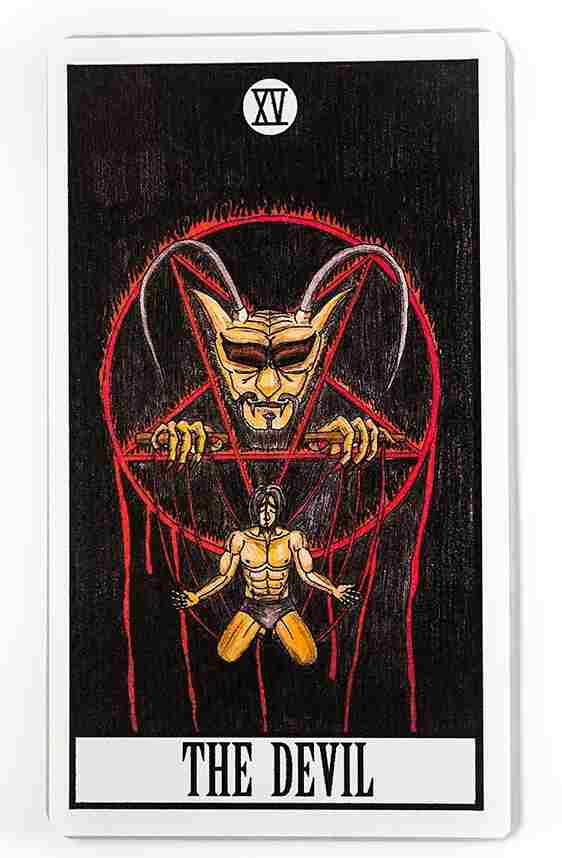
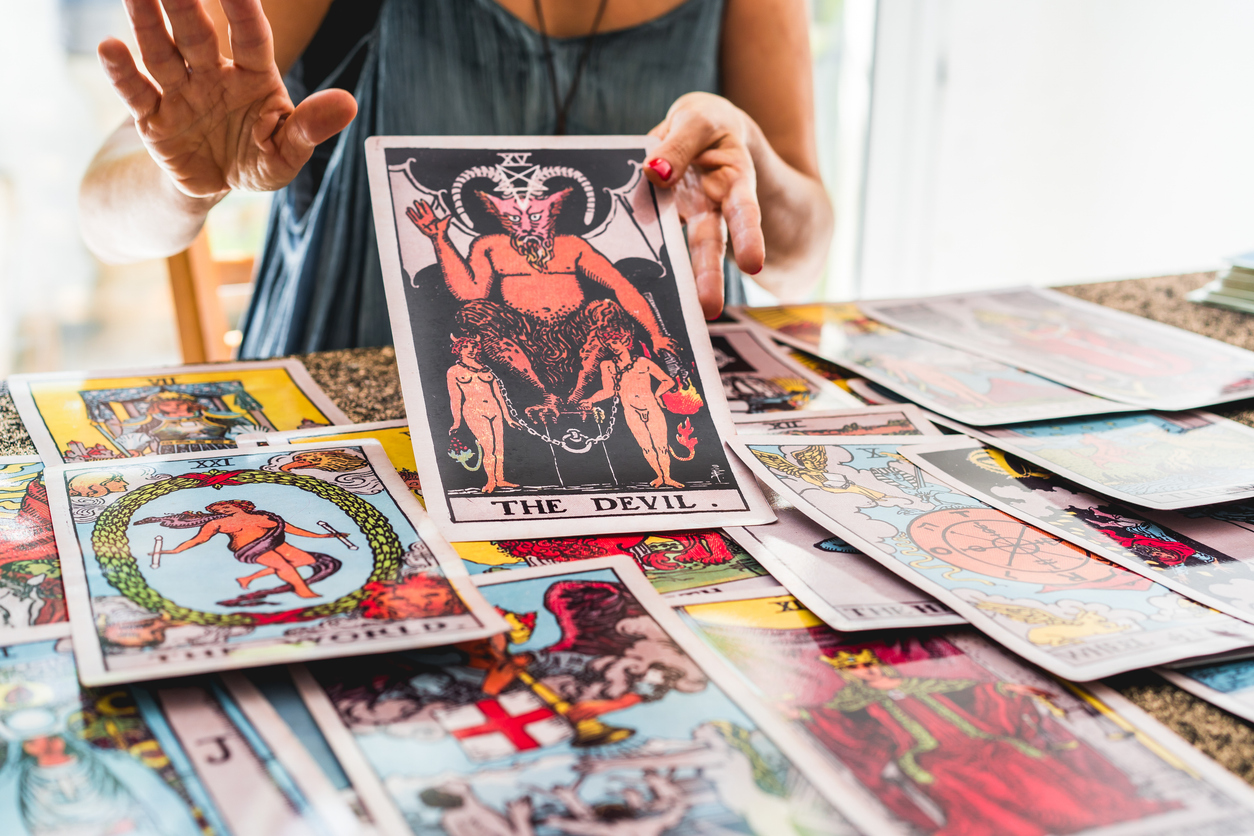
The Devil tarot card is not about external evil—it’s about the internal prisons we build for ourselves. The imagery of the card typically shows a horned figure, often with wings, perched atop a pedestal, surrounded by two figures bound in chains. These chains are loose, suggesting that the figures could remove them at any time—but they choose not to. This is the crux of The Devil’s message: you are not a victim of circumstance; you are complicit in your own bondage.
Think about the habits, relationships, or beliefs that no longer serve you. Are you clinging to comfort, familiarity, or even self-sabotage because it feels safer than facing the unknown? The Devil card asks you to examine what you’ve willingly tied yourself to—whether it’s toxic dynamics, procrastination, or self-doubt. The chains aren’t physical; they’re emotional, mental, and spiritual. Recognizing them is the first step toward breaking free.

The Illusion of Control: Why We Fear Freedom More Than Bondage
One of the most intriguing aspects of The Devil card is its paradox: we often fear freedom more than we fear our chains. The figures in the card are not struggling against their bonds; they are resigned to them, even comfortable in their discomfort. This reflects how humans cling to predictable pain because it feels familiar. Addiction, toxic relationships, and self-limiting beliefs thrive in this space of false security.
Consider the person who stays in a job they hate because “it’s stable,” or the individual who remains in a cycle of unhealthy relationships because “at least it’s something.” The Devil card exposes these illusions, revealing that what we call “safety” is often just a carefully constructed cage. True freedom requires courage—the courage to step into the unknown, even when the path isn’t clear. The Devil isn’t punishing you; it’s inviting you to question why you’re choosing to stay.
Shadow Work: Confronting the Dark Side of the Self
The Devil tarot card is deeply tied to shadow work—the process of acknowledging and integrating the parts of ourselves we’ve repressed or denied. The horned figure in the card isn’t just an external force; it’s a representation of the shadow self—the repressed desires, fears, and impulses we bury to fit into societal norms or our own self-image.
Ask yourself: What aspects of your personality have you been taught to hide? Anger? Lust? Greed? Jealousy? The Devil card doesn’t judge these traits; it asks you to own them. Suppressing them only gives them more power, turning them into chains that control you from within. Instead, The Devil encourages you to face these shadows, understand their origins, and integrate them in a way that serves your growth rather than your destruction.
Breaking the Chains: Practical Steps to Liberation
Recognizing your chains is powerful, but The Devil card demands action. Here are practical ways to start dismantling the cages you’ve built:
- Identify your chains: Write down the habits, relationships, or beliefs that feel restrictive. Be brutally honest with yourself.
- Question the narrative: Ask why you’re holding onto these chains. Is it fear? Comfort? A need for control? Dig deep.
- Small steps toward freedom: You don’t have to break every chain at once. Start with one small change—a boundary, a new habit, or a difficult conversation.
- Embrace discomfort: Freedom often lies on the other side of fear. The Devil card teaches that growth happens outside your comfort zone.
- Seek support: Whether it’s therapy, a trusted friend, or a spiritual practice, you don’t have to do this alone.
The key is consistency. The Devil isn’t a one-time revelation; it’s a lifelong process of shedding layers that no longer fit.
The Devil as a Teacher: Reclaiming Your Power
At its core, The Devil tarot card is a teacher in disguise. It doesn’t punish; it illuminates. It doesn’t destroy; it reveals. The chains it shows are not meant to keep you trapped forever—they’re meant to show you that you hold the key.
Consider the metaphor of addiction: The Devil card could represent the moment of clarity when you realize you’re not powerless. You’ve been feeding the illusion of control, but the truth is, you’ve always had the power to choose differently. The same applies to any area of your life where you feel stuck. The Devil isn’t your enemy; it’s the force that pushes you to ask, “What if I’m stronger than I think?”
Conclusion: You Are the Cage and the Key
The Devil tarot card is a paradox wrapped in shadow—a card that forces you to confront the uncomfortable truth that you are both the prisoner and the jailer. It doesn’t offer easy answers or false comfort; it offers a mirror. And in that mirror, you’ll see the chains you’ve forged, the illusions you’ve clung to, and the power you’ve been denying yourself.
But here’s the twist: you are also the key. The moment you stop blaming external forces for your bondage, you reclaim your agency. The Devil card isn’t a warning; it’s an invitation—to question, to confront, and ultimately, to rise. So the next time this card appears in a reading, don’t shrink from its darkness. Step into it. Because the real devil isn’t out there—it’s the part of you that’s been too afraid to break free.
FAQ
What does The Devil tarot card symbolize?
The Devil tarot card symbolizes the internal prisons we create for ourselves, highlighting self-imposed limitations and the need for personal growth.
How can I interpret The Devil card in a reading?
In a reading, The Devil card invites you to examine what chains you have willingly accepted in your life and encourages you to confront and break free from them.
Leave a Reply