Short Answer
Welcome to The Garden Tarot – Growth & Nurturing, a comprehensive guide designed to help you explore the symbolic language of gardens, plants, and nurturing energies through the lens of tarot. Whether you’re a seasoned tarot reader, a gardener seeking deeper meaning, or someone drawn to themes of personal growth and renewal, this guide will illuminate how the natural world intertwines with spiritual and emotional development. You’ll discover how to interpret tarot cards through the metaphor of gardening, cultivate mindfulness in your readings, and harness the healing power of nature’s cycles. By the end, you’ll have a toolkit of insights, spreads, and practices to deepen your connection to both the earth and your inner self.
The Symbolism of Gardens in Tarot
Gardens in tarot are rich with symbolism, representing growth, transformation, and the nurturing of ideas or emotions. Unlike wild landscapes, gardens are cultivated spaces—carefully tended and shaped by human intention. This makes them a powerful metaphor for the inner work of self-improvement and the external actions we take to foster change. In tarot, cards like The Empress (nurturing abundance), The Star (hope and renewal), and The Wheel of Fortune (cycles of life) often evoke garden imagery. Even the Death card, often misunderstood, can symbolize the composting of old ideas to make way for new growth, much like turning soil to prepare for planting. By studying these connections, you’ll learn to read tarot cards not just as standalone symbols, but as part of a living, breathing ecosystem of meaning.
For example, the Three of Cups might depict a garden party celebrating harvest, reflecting joy and community. Meanwhile, the Five of Pentacles could show a barren winter garden, symbolizing scarcity or emotional withdrawal. Recognizing these patterns allows you to weave narratives around your readings that resonate with real-life experiences of planting, tending, and harvesting.
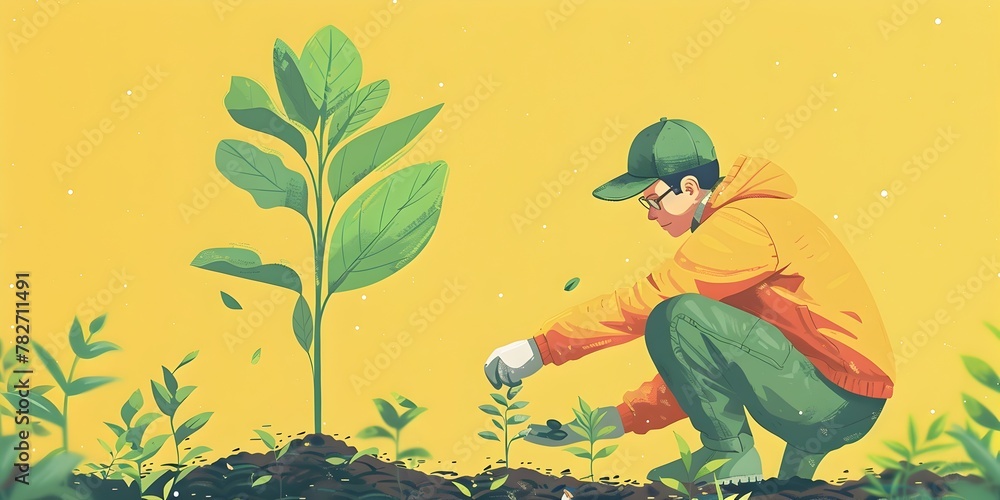
How to Use Tarot for Personal Growth & Nurturing
Tarot can be a mirror for personal development, especially when approached with the mindset of a gardener. Begin by selecting a card each day and reflecting on its message as if it were a seed planted in your mind. Ask yourself: What needs to be nurtured in my life right now? What old habits or thoughts should I prune to make room for new growth? The Page of Wands, for instance, might encourage you to ignite a new passion, while the Queen of Swords could prompt you to cut away toxic influences with clarity and precision.
You can also use tarot to set intentions for growth. Try the Garden Spread, a simple five-card layout:
- Root (Card 1): What foundation or core belief is supporting your current journey?
- Bud (Card 2): What new idea or opportunity is emerging?
- Blossom (Card 3): What is the ultimate goal or desired outcome?
- Thorn (Card 4): What challenges or obstacles might you face?
- Harvest (Card 5): What will you gain from this cycle of growth?
This spread helps you visualize your personal evolution as a garden, where each card represents a stage in the planting and harvesting process. Keep a journal to track your progress, noting how your interpretations evolve over time.
Seasonal Tarot: Aligning Readings with Nature’s Cycles
Just as gardens change with the seasons, tarot readings can be tailored to reflect the rhythms of nature. In spring, focus on cards that symbolize new beginnings, such as The Fool or Ace of Cups. Summer calls for vibrant, fiery energy—consider the Sun or Six of Wands to celebrate achievements. Autumn invites reflection; cards like Judgement or Three of Swords can help you release what no longer serves you. Winter is a time for rest and introspection, where the Hermit or Four of Pentacles might guide you inward.
To deepen this practice, create a Seasonal Tarot Altar. Place seasonal flowers, leaves, or seeds on a cloth alongside tarot cards that resonate with the time of year. Light a candle and meditate on the interplay between the natural world and your spiritual path. This ritual grounds your readings in the tangible world, making abstract concepts feel more accessible.

Tarot Spreads for Nurturing Relationships & Community
Gardens thrive when tended collectively, and so do relationships. Use tarot to explore dynamics with loved ones, friends, or even your broader community. The Shared Garden Spread is designed for this purpose:
- Shared Soil (Card 1): What values or goals do we have in common?
- Watering Can (Card 2): How can I support this relationship?
- Sunlight (Card 3): What positivity do we bring to each other?
- Weeds (Card 4): What conflicts or misunderstandings need addressing?
- Harvest Together (Card 5): What mutual growth can we celebrate?
This spread encourages you to view relationships as collaborative gardens, where both parties play a role in nurturing what grows between them. For romantic partnerships, the Two of Cups might highlight deep connection, while the Eight of Swords could reveal self-imposed limitations in communication.
For community-focused readings, consider the Forest Spread, which uses seven cards to represent different trees in a forest—each symbolizing a person or group. The center card acts as the “heartwood,” representing the core purpose or shared vision. This spread is ideal for group meditations, team-building exercises, or exploring collective goals.
Healing Through Tarot & Garden Therapy
Combining tarot with garden therapy—a practice that uses gardening as a form of mental and emotional healing—can amplify your well-being. Start by selecting a tarot card that represents your current emotional state, then plant a seed or tend to a plant that embodies its energy. For example, if you draw the Ten of Cups (joy and family), plant a flowering shrub like lavender, known for its calming properties. As you care for the plant, reflect on the card’s message and how it applies to your life.
You can also use tarot to design a Healing Garden Layout. Choose plants based on their symbolic meanings in tarot. Rosemary, associated with remembrance (like the Memory card), can be planted to honor past lessons. Sunflowers, linked to the Sun card, can uplift your space with their bright presence. Keep a tarot journal nearby to record insights as you tend to your garden, noting how the cards and plants interact over time.

Advanced Techniques: Tarot as a Living Oracle
For those ready to deepen their practice, tarot can evolve from a static deck into a living oracle by incorporating elements of nature. Try the Earth Connection Spread, where you lay out cards on a tray of soil or moss. As you interpret each card, physically touch the earth and visualize its energy merging with the reading. This technique enhances intuition and grounds your spiritual insights in the physical world.
Another advanced method is the Moon Phase Tarot Pull. Align your readings with the lunar cycle: new moon for intentions (planting seeds), waxing moon for action (watering), full moon for release (harvesting), and waning moon for reflection (pruning). Use tarot to guide your lunar rituals, such as charging your crystals under the full moon or setting intentions during the new moon.
You can also create a Tarot Garden Deck by painting or drawing tarot cards onto smooth stones, wooden slices, or seed packets. These handmade tools add a tactile, personal dimension to your readings, making the experience more intimate and connected to nature.
Conclusion
The Garden Tarot is more than a metaphor—it’s a living practice that bridges the spiritual and the tangible, the inner and the outer worlds. By exploring tarot through the lens of growth and nurturing, you open yourself to a deeper understanding of life’s cycles, relationships, and personal evolution. Whether you’re interpreting cards as seasons change, designing healing gardens, or crafting spreads that reflect communal bonds, you’re engaging with a timeless tradition that honors both the earth and the soul.
Remember, every garden starts with a single seed. Let your tarot practice be that seed—a small but powerful beginning that grows into something beautiful, resilient, and full of life. As you tend to your readings and your garden, you’ll find that the wisdom of the cards and the wisdom of nature are one and the same: a reminder that growth is not just possible, but inevitable, when nurtured with intention and love.
FAQ
How can tarot cards represent personal growth?
Tarot cards can symbolize various stages of growth and nurturing, much like a garden, allowing individuals to reflect on personal development and transformation.
What is the Garden Spread in tarot?
The Garden Spread is a five-card layout designed to visualize personal evolution, focusing on foundations, emerging ideas, goals, challenges, and gains.
Leave a Reply