Short Answer
Have you ever wondered if your standard deck of playing cards could hold the same depth and insight as a traditional tarot deck? The answer is a resounding yes. This guide will unlock the hidden potential of your poker deck, showing you how to use playing cards for tarot readings. You’ll discover how to interpret suits, numbers, and court cards as if they were tarot cards, transforming a simple game into a powerful tool for self-reflection and divination. By the end, you’ll see your everyday deck in a whole new light—one that promises a shift in perspective and piques your curiosity about the unseen connections between chance and meaning.
Why Use Playing Cards for Tarot? The Unexpected Synergy
At first glance, playing cards and tarot decks seem worlds apart. One is designed for games and gambling, while the other is steeped in symbolism and esoteric tradition. Yet, the two are more closely related than you might think. Traditional playing cards evolved from tarot-like decks used in 15th-century Europe, particularly in Italy and France. The suits—hearts, diamonds, clubs, and spades—mirror the four suits of the Minor Arcana in tarot: Cups, Pentacles, Wands, and Swords. Even the court cards—Jack, Queen, King, and sometimes the Knight—can be interpreted similarly to tarot’s Page, Knight, Queen, and King. This historical link means your poker deck isn’t just a tool for games; it’s a gateway to intuitive insights.
Using playing cards for tarot offers several advantages. They’re accessible—nearly everyone has a deck lying around—and free from the intimidation factor that some associate with tarot. The familiar imagery can make readings feel more approachable, while the simplicity of the suits allows for quick, intuitive interpretations. Plus, the randomness of drawing cards feels more natural when you’re used to shuffling and dealing for a game of poker. This method encourages you to trust your instincts and see patterns in everyday objects, bridging the gap between the mundane and the mystical.
Understanding the Suits: Hearts, Diamonds, Clubs, and Spades as Tarot Archetypes
The four suits of playing cards correspond to the four elements and the four suits of the Minor Arcana in tarot. Here’s how to translate them:
- Hearts (Cups): Represent emotions, relationships, intuition, and creativity. In tarot, Cups govern matters of the heart, love, and emotional fulfillment. A heart card in a reading often suggests a need to explore feelings, connections, or creative expression. For example, drawing the Ace of Hearts might indicate a new emotional beginning or a surge of love.
- Diamonds (Pentacles): Symbolize material wealth, practicality, and the physical world. Pentacles in tarot relate to finances, career, health, and stability. The Ace of Diamonds could signify a new opportunity in business or a financial windfall, while the 10 of Diamonds might represent completion or legacy.
- Clubs (Wands): Align with passion, ambition, and action. Wands in tarot represent inspiration, energy, and personal growth. The King of Clubs, for instance, could embody a charismatic leader or someone with a strong drive to succeed, while the 3 of Clubs might suggest celebration or collaboration.
- Spades (Swords): Govern intellect, conflict, and communication. Swords in tarot deal with thoughts, decisions, and challenges. Drawing the Queen of Spades might indicate a need for clear thinking or a warning about deception, while the 7 of Spades could suggest a period of self-doubt or introspection.
By mapping these suits to tarot archetypes, you can perform readings that feel just as profound as those done with a traditional deck. The key is to let your intuition guide you—if a card feels significant, lean into that feeling.
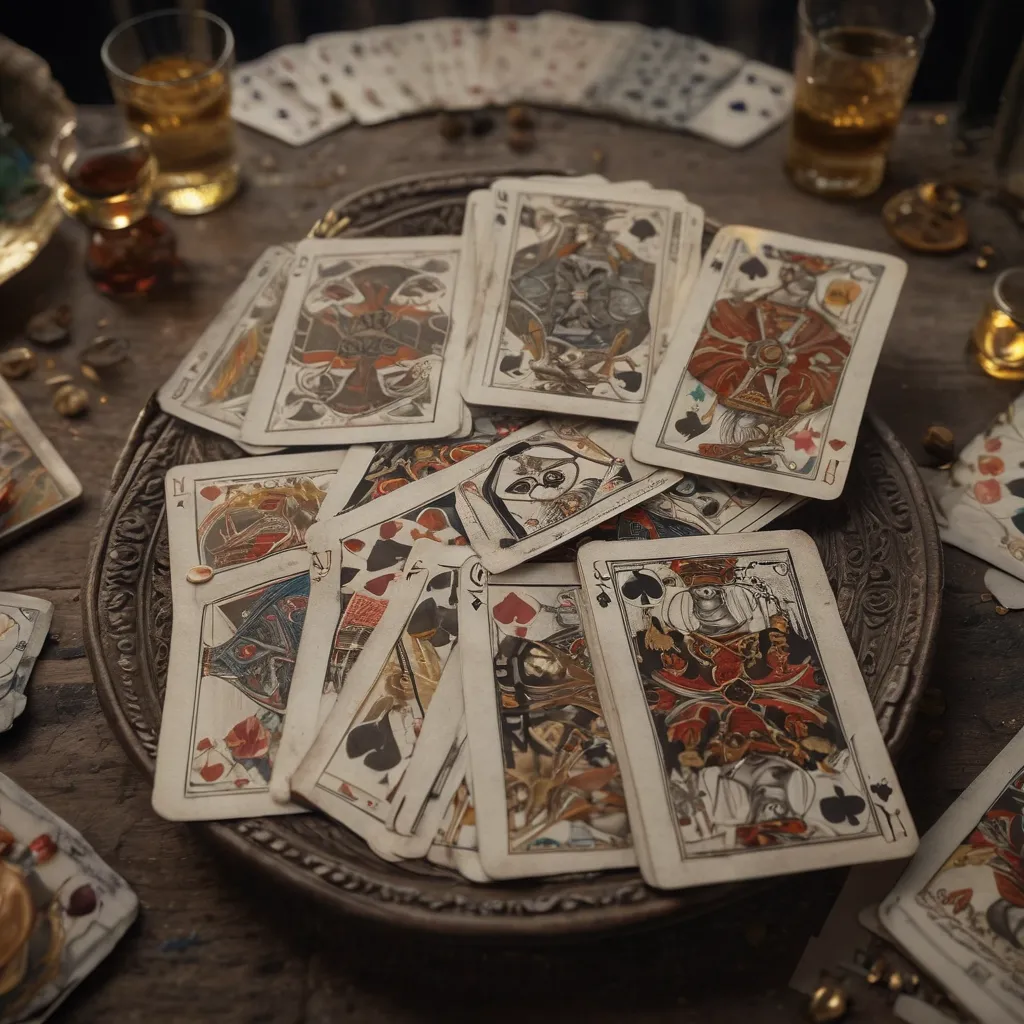
Interpreting the Court Cards: Pages, Knights, Queens, and Kings as Tarot Figures
The court cards in a playing deck—Jack, Queen, King, and sometimes Knight—can be interpreted similarly to tarot’s court cards, representing people, personalities, or energies in a reading. Here’s a quick guide:
- Jack (Page): Represents a messenger, student, or someone in a learning phase. In tarot, the Page often signifies curiosity, new ideas, or a young person. A Jack of Hearts might suggest a romantic or emotional message, while a Jack of Diamonds could indicate a practical or financial opportunity.
- Queen: Embodies the mature expression of the suit’s energy. The Queen of Clubs, for example, might represent a confident, ambitious woman or a time to embrace your own leadership qualities. The Queen of Spades could indicate a need for mental clarity or a warning about overthinking.
- King: Symbolizes mastery and authority within the suit’s domain. The King of Diamonds might represent a wealthy or successful individual, while the King of Spades could suggest a strategic thinker or someone who excels in communication.
- Knight (if included): Often represents action, movement, or a dynamic energy. In tarot, the Knight can signify a person who is driven or impulsive. A Knight of Clubs might embody someone who charges ahead with passion, while a Knight of Spades could indicate a need to slow down and think before acting.
When a court card appears in a reading, consider its position and the surrounding cards. Is it a person in your life, or is it reflecting a part of yourself? Trust your gut—if the Queen of Hearts feels like you, it might be time to nurture your emotional side or express your creativity.
Simple Spreads to Get Started with Playing Card Tarot
You don’t need a complex spread to start using playing cards for tarot. Here are three easy layouts to try:
1. The One-Card Pull: Quick Insights
Draw a single card to answer a yes/no question or gain clarity on a situation. For example, if you’re unsure about a career move, pull a card. A Diamond suit card might suggest financial opportunities, while a Spade could indicate a need for careful planning. Trust your first impression—does the card feel positive or challenging?
2. The Three-Card Spread: Past, Present, Future
Lay out three cards in a row. The first card represents the past, the second the present, and the third the future. For instance, if you pull the 5 of Hearts (past), 8 of Clubs (present), and King of Diamonds (future), it might suggest a past emotional challenge, a current period of growth, and a future filled with success or leadership.
3. The Celtic Cross Simplified
For a deeper reading, adapt the classic Celtic Cross spread using 10 cards. Place one card in the center (the heart of the matter), then arrange the rest around it to represent challenges, influences, hopes, fears, and outcomes. Use the suits to guide your interpretation—hearts for emotions, diamonds for material concerns, etc.
As you practice, you’ll develop your own interpretations and spreads. The beauty of using playing cards is that the rules are flexible—let your intuition lead the way.
Advanced Techniques: Combining Cards for Deeper Meanings
Once you’re comfortable with basic spreads, you can experiment with more advanced techniques to deepen your readings:
- Card Pairs: Draw two cards and interpret them together. For example, the Ace of Spades (intellectual clarity) paired with the 3 of Diamonds (teamwork) might suggest a collaborative project that requires sharp thinking.
- Elemental Dignities: Assign each suit an element (Hearts = Water, Diamonds = Earth, Clubs = Fire, Spades = Air) and analyze how the elements interact. A Fire card (Clubs) next to a Water card (Hearts) might indicate passion clashing with emotion, while Earth (Diamonds) next to Air (Spades) could suggest stability meeting change.
- Reversed Cards: Flip a card upside down to represent a blocked or internalized energy. A reversed Queen of Spades might indicate overthinking or self-sabotage, while a reversed 2 of Hearts could suggest emotional hesitation.
These techniques add layers to your readings, making them feel more like a traditional tarot session. The key is to stay open to the messages the cards are sending—sometimes the most profound insights come from unexpected combinations.
Common Pitfalls and How to Avoid Them
While using playing cards for tarot is intuitive, there are a few pitfalls to watch out for:
- Over-Reliance on Literal Meanings: Avoid treating the interpretations as rigid rules. For example, while Diamonds often represent money, they can also symbolize creativity or value in non-financial contexts. Stay flexible.
- Ignoring Intuition: Don’t get so caught up in suit correspondences that you dismiss your gut feelings. If a card feels significant, even if it doesn’t fit the traditional meaning, explore why.
- Forcing Complex Spreads: Start simple. A one-card pull is just as valid as a 10-card spread. Don’t overwhelm yourself with too many cards at once.
- Neglecting the Deck’s Energy: Like tarot decks, playing cards absorb energy from their surroundings. Cleanse your deck regularly by shuffling it, smudging it with sage, or placing it under moonlight to reset its vibrations.
Conclusion: Your Poker Deck is a Portal to Insight
Who knew that a deck of playing cards could hold such depth and wisdom? By learning to interpret the suits, numbers, and court cards through the lens of tarot, you’ve unlocked a tool that’s both accessible and profound. Whether you’re pulling a single card for quick guidance or crafting elaborate spreads, your poker deck is more than just a game—it’s a mirror to your subconscious, a guide to your intuition, and a bridge between the ordinary and the extraordinary.
So the next time you shuffle a deck for a game of poker, pause for a moment and ask yourself: What if these cards could tell me something deeper? The answer might surprise you. Embrace the curiosity, trust the process, and let your playing cards reveal the hidden stories waiting to be uncovered. The magic isn’t in the deck—it’s in your willingness to see beyond the surface.
FAQ
Can I use any deck of playing cards for tarot readings?
Yes, a standard deck of playing cards can be used for tarot readings, as they share similar suits and meanings.
What are some simple spreads for using playing cards in tarot?
You can start with a one-card pull for quick insights, a three-card spread for past, present, future, or adapt the Celtic Cross for deeper readings.
Leave a Reply