Short Answer
In this comprehensive guide, you’ll explore the profound symbolism, interpretations, and meanings behind the Devil tarot card. Whether you’re a seasoned tarot reader or a curious beginner, this article will help you understand the card’s significance in different contexts—from love and career to personal growth and shadow work. You’ll also discover how the Devil card can serve as a mirror, revealing hidden fears, attachments, and self-limiting beliefs. By the end, you’ll see the Devil not just as a card of temptation, but as a powerful teacher guiding you toward liberation and self-awareness.
The Devil Tarot Card: An Overview
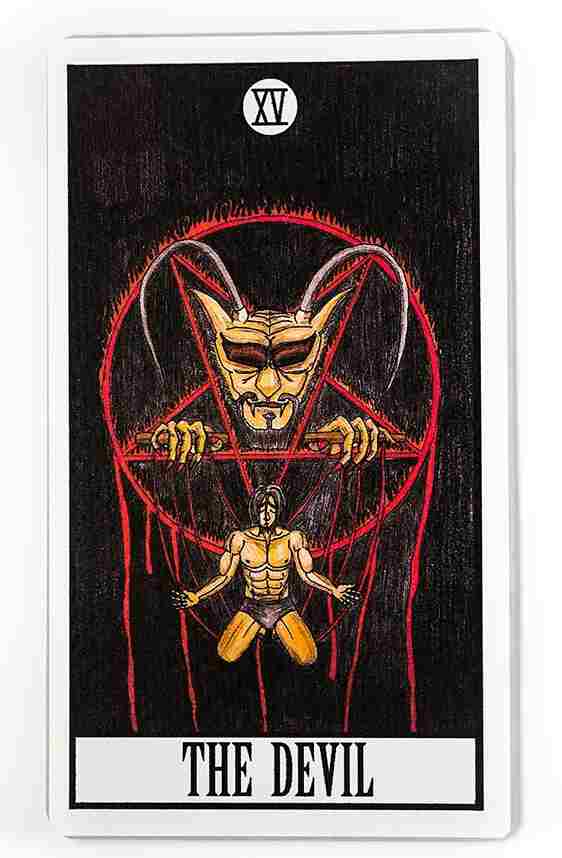
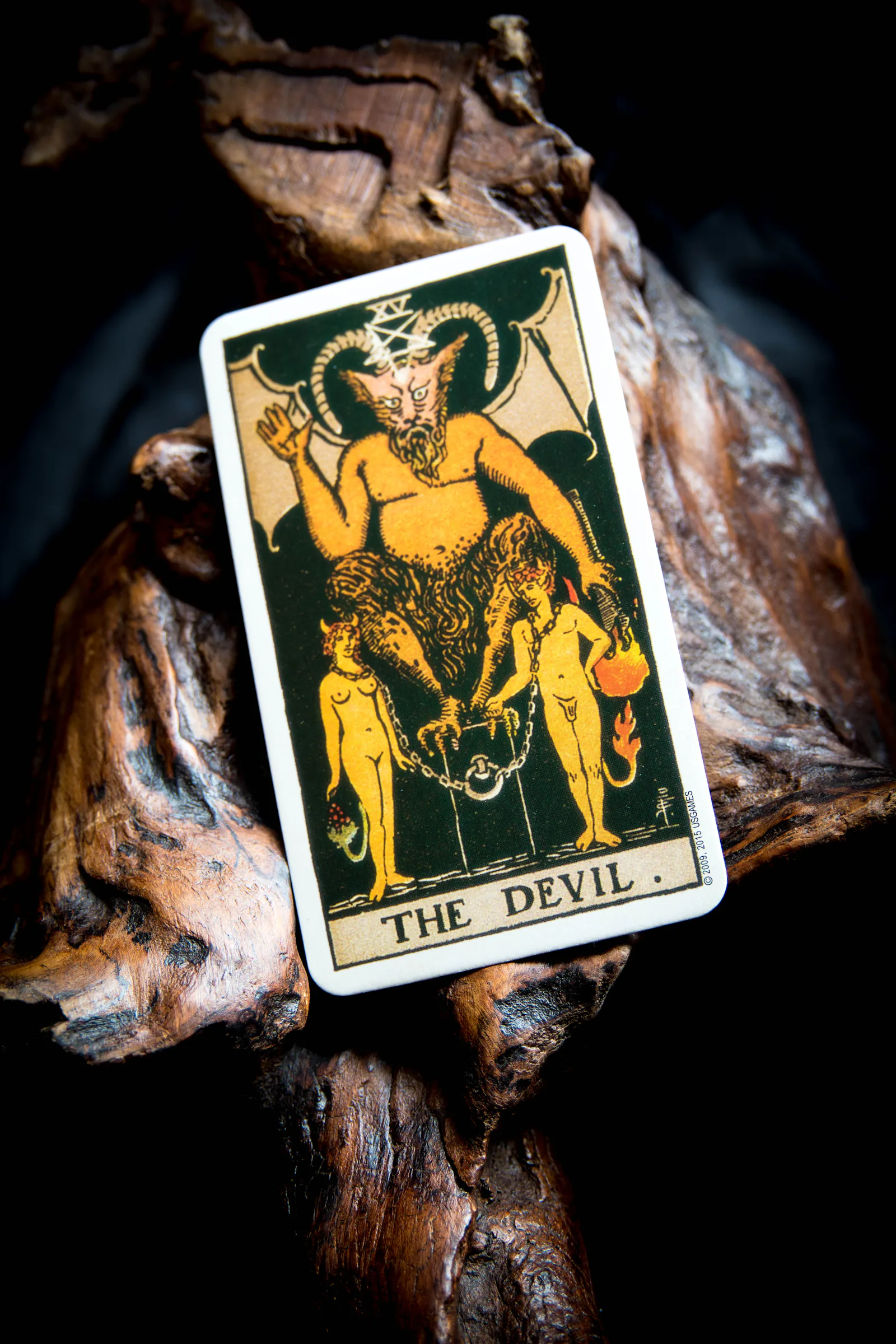
The Devil card, often depicted as a horned figure with a naked couple chained to its throne, is the fifteenth card in the Major Arcana. Despite its ominous appearance, it’s not inherently evil—it represents the shadow side of human nature, including addiction, materialism, and unhealthy attachments. The chains in the image are loose, symbolizing that we often remain bound by our own choices rather than external forces. This card challenges you to examine what truly holds you captive, whether it’s a toxic relationship, a destructive habit, or an obsession with material success.
In readings, the Devil card can signal a period of bondage or temptation, but it also offers a wake-up call. It asks you to confront the illusions you’ve created and reclaim your power. The presence of this card may indicate that you’re being manipulated—by others or by your own desires—or that you’re clinging to something that no longer serves your highest good.
Symbolism and Imagery in the Devil Card
The imagery of the Devil card is rich with symbolism, each element offering deeper insight into its meaning. The horned figure often resembles Baphomet, a symbol of duality and balance, representing both destruction and creation. The chains, though loose, suggest that the bondage is self-imposed—a reminder that freedom is always within reach if you choose to break free. The couple at the figure’s feet symbolizes materialism, lust, or unhealthy attachments, often reflecting relationships or pursuits that drain your energy.
Other key symbols include the inverted pentagram on the figure’s forehead, which can represent materialism overshadowing spirituality, and the torch held aloft, which may symbolize the illusion of enlightenment without true wisdom. The bat-like wings hint at the darker aspects of the subconscious, while the raised right hand in a blessing or commanding gesture underscores the Devil’s role as a trickster—it can both deceive and reveal hidden truths.
Upright vs. Reversed: Key Differences
When the Devil card appears upright in a reading, it often points to bondage, temptation, or unhealthy attachments. This could manifest as a toxic relationship, a destructive habit, or an obsession with wealth and status. The upright Devil warns you to examine what’s controlling you—whether it’s fear, desire, or external pressures—and to take steps toward breaking free. It may also indicate a period of indulgence or excess, where you’re prioritizing short-term gratification over long-term well-being.
In contrast, the reversed Devil suggests liberation and breaking free from constraints. It signals a time of awakening, where you’re recognizing the illusions that have held you back and reclaiming your personal power. This card reversed can also indicate a release from toxic situations, whether it’s a bad habit, a manipulative relationship, or a self-sabotaging mindset. It’s a call to reclaim your agency and step into your truth.
For example, if you’re asking about a career path, the upright Devil might suggest feeling trapped in a job that drains you, while the reversed Devil could indicate a breakthrough where you finally leave that environment to pursue something more fulfilling.
Love and Relationships: What the Devil Card Reveals
In love readings, the Devil card can be a stark warning about unhealthy dynamics. It may point to codependency, manipulation, or a relationship built on control rather than mutual respect. If you’re single, it could suggest that you’re holding onto past hurts or idealizing potential partners in a way that blinds you to red flags. The Devil asks you to question whether your relationships are truly nourishing or if they’re based on fear, insecurity, or unmet needs.
For those in committed relationships, the Devil might highlight power imbalances or toxic patterns, such as emotional abuse or financial control. It’s a reminder to set boundaries and prioritize your well-being. However, the reversed Devil in a love context can signal healing and release—perhaps you’re finally walking away from a relationship that no longer serves you, or you’re breaking free from self-destructive patterns that have sabotaged your happiness.
Career and Finances: Breaking Free from Limitations
The Devil card in career readings often points to feeling stuck in a job that doesn’t align with your values or stifles your growth. It may reveal a toxic work environment, a boss who manipulates, or a career path driven by money rather than passion. This card encourages you to ask whether your current role is truly fulfilling or if it’s a source of stress and discontent. The Devil might also highlight unhealthy attachments to status or material wealth, urging you to reassess your priorities.
Financially, the Devil can indicate reckless spending, debt, or an obsession with accumulating wealth at the expense of your well-being. It’s a call to examine your relationship with money and to break free from patterns of self-sabotage. The reversed Devil in this context suggests financial liberation—perhaps you’re finally paying off debt, making a career change, or stepping away from a job that was draining your resources.
Shadow Work and Personal Growth
The Devil card is deeply tied to shadow work, the process of exploring the hidden, repressed aspects of yourself. It invites you to confront your fears, insecurities, and self-limiting beliefs that keep you chained to old patterns. This card asks: What are you afraid to face? What habits or relationships are holding you back? By acknowledging these shadows, you can begin to release their grip on you.
For example, if you’ve been avoiding a difficult conversation or suppressing an emotion, the Devil card may appear as a sign that it’s time to address it. It’s not about judgment—it’s about recognizing that these shadows exist and choosing to integrate them with compassion. The reversed Devil, in this case, signals a breakthrough where you’re no longer controlled by these patterns and are stepping into a more authentic version of yourself.
Common Misconceptions About the Devil Card
One of the biggest misconceptions about the Devil card is that it’s purely negative or evil. In reality, it’s a neutral card that reflects the duality of human nature—our capacity for both light and shadow. The Devil isn’t here to punish you; it’s here to show you where you’re giving away your power and how you can reclaim it. Another myth is that the Devil card always predicts doom. While it can indicate challenges, it also offers a path to liberation if you’re willing to confront the truth.
Some people also associate the Devil with literal evil or supernatural forces, but in tarot, it’s a metaphor for the human experience. It’s about the chains we create ourselves—whether through addiction, fear, or societal expectations—and the freedom we can achieve by breaking them.
Practical Steps to Break Free from the Devil’s Grip
If the Devil card appears in your reading, it’s a sign to take action. Start by identifying what’s truly binding you—whether it’s a toxic relationship, a bad habit, or a limiting belief. Write down the patterns you want to change and set clear intentions for what you’d like to release. Seek support if needed, whether through therapy, a trusted friend, or a spiritual practice that helps you stay grounded.
Practically, this might mean setting boundaries, decluttering your life (both physically and emotionally), or making a bold decision to walk away from something that no longer serves you. The reversed Devil encourages you to take the first step—whether it’s leaving a job, ending a relationship, or simply choosing self-love over self-sabotage.
Conclusion
The Devil tarot card is far more than a symbol of temptation—it’s a mirror reflecting the chains we place on ourselves and the power we hold to break free. Whether it appears upright or reversed, it challenges you to examine your attachments, confront your shadows, and reclaim your agency. By understanding its symbolism and messages, you can transform the Devil from a feared figure into a guide on your journey toward liberation and self-awareness. Remember, the chains are loose—freedom is always within reach if you choose to step into it.
FAQ
What does the Devil card represent in tarot?
The Devil card represents bondage, temptation, and the shadow side of human nature, including addiction and unhealthy attachments.
How does the Devil card influence love readings?
In love readings, the Devil card can indicate unhealthy dynamics, codependency, and the need to confront fears and insecurities.
What is the difference between the upright and reversed Devil card?
The upright Devil indicates bondage and temptation, while the reversed Devil suggests liberation and breaking free from constraints.
Leave a Reply