Short Answer
Welcome to this comprehensive guide on understanding tarot card readings. Whether you’re a curious beginner or someone looking to deepen your knowledge, this article will explore the meanings behind tarot cards, why they hold such significance, and the deeper reasons behind their enduring fascination. By the end, you’ll gain insights into how tarot works, its symbolism, and how to interpret readings for yourself or others.
The History and Origins of Tarot Cards
Tarot cards trace their roots back to 15th-century Europe, where they were initially used for playing games rather than divination. The earliest known decks, like the Visconti-Sforza, were hand-painted for nobility and featured intricate illustrations. It wasn’t until the late 18th century that tarot began to be associated with mysticism and fortune-telling, thanks to occultists like Antoine Court de Gébelin and Éliphas Lévi. These figures linked tarot to ancient Egyptian wisdom and Kabbalistic traditions, though these claims lack historical evidence. Despite this, the symbolic richness of tarot cards made them a powerful tool for introspection and spiritual exploration.
Understanding the Structure of a Tarot Deck
A standard tarot deck consists of 78 cards divided into two main groups: the Major Arcana and the Minor Arcana. The Major Arcana contains 22 cards, each representing significant life themes, such as The Fool, The Lovers, and Death. These cards often symbolize major life events or spiritual lessons. The Minor Arcana, on the other hand, includes 56 cards divided into four suits—Cups, Pentacles, Swords, and Wands—each corresponding to different aspects of daily life. Cups relate to emotions, Pentacles to material matters, Swords to intellect, and Wands to creativity. Together, these cards create a narrative that reflects both the mundane and the profound.
How Tarot Card Readings Work
Tarot readings are a form of divination where the reader interprets the cards drawn to provide insights into a person’s life, challenges, or future possibilities. The process typically involves shuffling the deck while focusing on a question or intention, then laying out the cards in a specific spread, such as the Celtic Cross or a simple three-card spread. Each card’s position and its relationship to others influence its meaning. For example, a card representing love appearing in a position related to obstacles might suggest emotional challenges ahead. The reader combines traditional meanings with intuitive impressions to craft a personalized message.
The Symbolism Behind Major Arcana Cards
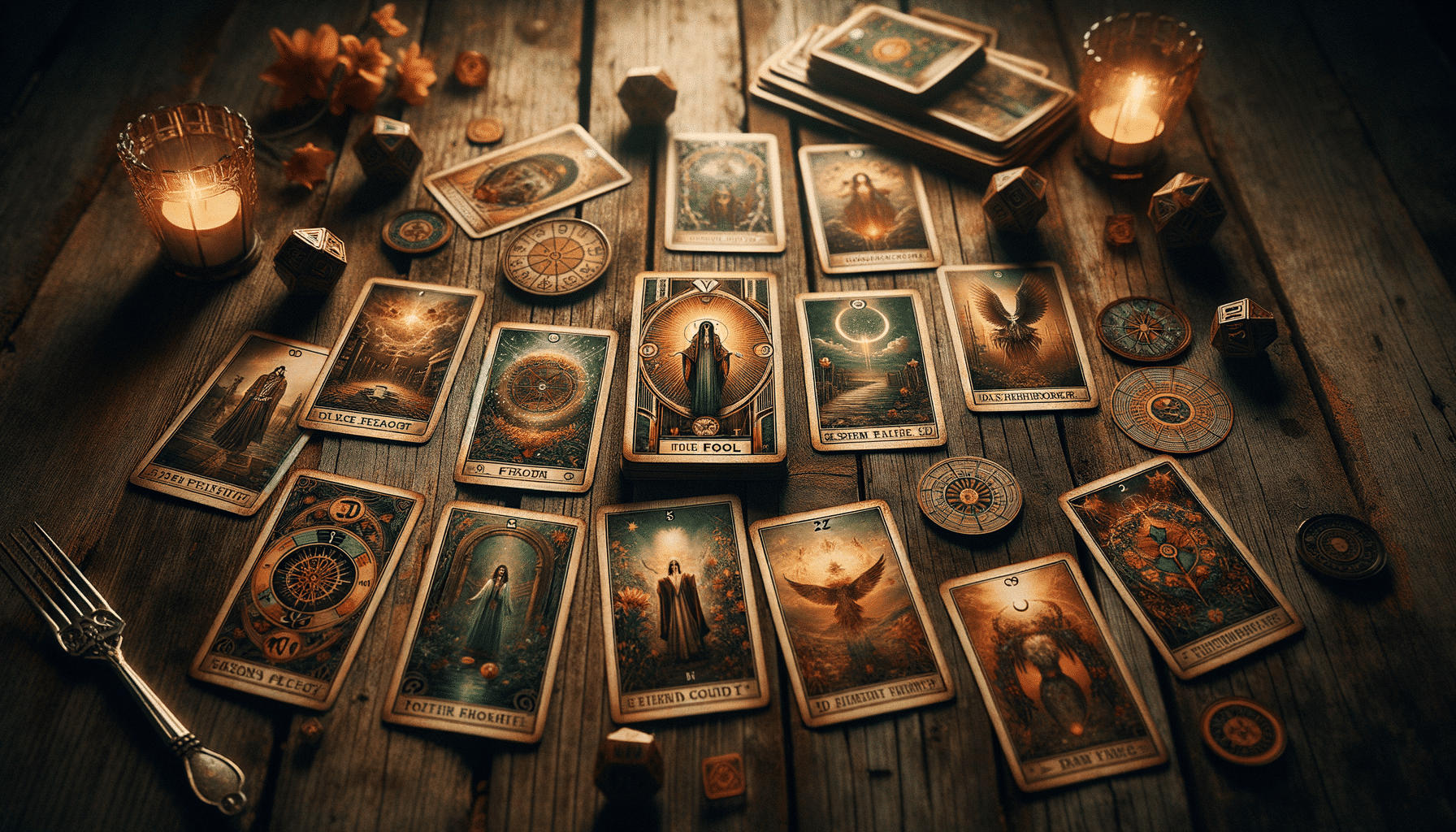
The Major Arcana cards are rich in symbolism, often drawing from mythology, astrology, and alchemy. For instance, The Magician represents manifestation and resourcefulness, while The High Priestess embodies intuition and hidden knowledge. The Tower, often feared, signifies sudden change or upheaval, urging the querent to rebuild on a stronger foundation. These cards act as a visual language, conveying universal truths that resonate across cultures. Understanding their symbolism can unlock deeper layers of meaning in a reading, revealing patterns and lessons that might otherwise go unnoticed.
Interpreting the Minor Arcana: Suits and Their Meanings
The Minor Arcana cards provide context to the Major Arcana’s grand themes by focusing on everyday experiences. In the suit of Cups, the Ace represents new emotional beginnings, while the Ten may indicate emotional fulfillment or overwhelm. Pentacles deal with material wealth and stability; the Five of Pentacles often suggests financial struggle, while the King of Pentacles embodies prosperity and leadership. Swords, associated with the mind, can reveal intellectual conflicts or breakthroughs, as seen in the Three of Swords, which often depicts heartache. Wands, tied to creativity and passion, range from the Ace’s spark of inspiration to the Ten’s completion of a creative journey. Mastering these suits allows for nuanced interpretations tailored to the querent’s situation.

Common Misconceptions About Tarot Readings
One of the most pervasive myths about tarot is that it predicts the future with absolute certainty. In reality, tarot offers guidance and reflection rather than fixed outcomes. Another misconception is that tarot is inherently tied to the occult or requires supernatural abilities. While many readers incorporate spiritual elements, tarot is ultimately a psychological tool that encourages self-awareness and decision-making. Some also believe that only “gifted” individuals can read tarot, but with study and practice, anyone can learn to interpret the cards meaningfully. Dispelling these myths opens the door to a more balanced and empowering view of tarot.
The Psychological and Therapeutic Benefits of Tarot
Beyond divination, tarot serves as a therapeutic tool for self-exploration. The cards act as a mirror, reflecting subconscious thoughts, fears, and desires. For example, pulling The Hermit might indicate a need for solitude and introspection, while The Chariot could suggest a drive for determination and control. Therapists and counselors sometimes use tarot to help clients articulate feelings they struggle to express verbally. The process of interpreting cards can also foster mindfulness, as it requires the reader to slow down and engage deeply with their inner world. In this way, tarot becomes a bridge between the conscious and unconscious mind.
How to Perform Your Own Tarot Readings
Performing a self-reading begins with setting a clear intention, whether it’s seeking clarity on a relationship, career, or personal growth. Choose a spread that aligns with your question—simple spreads like a single-card pull or a three-card layout (past, present, future) work well for beginners. Shuffle the deck while focusing on your question, then lay out the cards. Record your impressions immediately, noting both traditional meanings and your intuitive reactions. Over time, you’ll develop a personal connection to the cards, allowing for more accurate and meaningful interpretations. Remember, there are no “wrong” interpretations; the cards serve as a tool for your own insight.

The Role of Intuition in Tarot Readings
While traditional meanings provide a foundation, intuition plays a crucial role in tarot readings. A card’s imagery, colors, and symbols can evoke personal associations that transcend its textbook definition. For instance, a reader might associate The Moon with anxiety due to a past experience, even if the card generally represents illusion or subconscious fears. Developing intuition involves quieting the analytical mind and trusting your gut reactions to the cards. Meditation, journaling, and regular practice can sharpen this skill, allowing the reader to offer readings that feel authentic and insightful. Ultimately, tarot is a collaboration between knowledge and intuition, creating a dynamic and personalized experience.
Why Tarot Continues to Fascinate People Worldwide
The enduring appeal of tarot lies in its ability to address universal human experiences—love, loss, ambition, and transformation. In an era of uncertainty, tarot offers a sense of control and clarity, providing a structured way to navigate life’s complexities. Its visual and symbolic nature makes it accessible to people of all backgrounds, transcending language and cultural barriers. Additionally, tarot’s adaptability allows it to evolve with modern spirituality, incorporating elements from psychology, astrology, and even pop culture. Whether used for entertainment, self-reflection, or spiritual growth, tarot remains a timeless tool for exploring the human condition.
Conclusion
Tarot card readings are far more than a mystical parlor trick; they are a profound tool for self-discovery, guidance, and empowerment. By understanding the history, structure, and symbolism of tarot, you can unlock its potential to illuminate your path and deepen your connection to yourself and the world around you. Whether you’re drawn to tarot for its artistic beauty, its psychological insights, or its spiritual resonance, the cards offer a unique language to explore life’s mysteries. As you continue your journey with tarot, remember that the true magic lies not in predicting the future, but in uncovering the wisdom already within you.
FAQ
What are tarot cards used for?
Tarot cards are used for divination, self-reflection, and guidance, helping individuals gain insights into their lives and decisions.
Can anyone learn to read tarot cards?
Yes, with study and practice, anyone can learn to interpret tarot cards and perform readings.
What is the difference between Major Arcana and Minor Arcana?
The Major Arcana consists of 22 cards representing significant life themes, while the Minor Arcana includes 56 cards that focus on everyday experiences.
Leave a Reply