Short Answer
Welcome to a deeper exploration of tarot beyond the traditional upright and reversed meanings. In this guide, you’ll uncover the intriguing concepts of Shadow Tarot and Sideways Tarot, two unconventional yet powerful approaches to reading the cards. Whether you’re a seasoned reader or a curious beginner, these methods invite you to pose playful questions and confront unexpected challenges hidden within your spreads. By the end, you’ll have the tools to infuse your tarot practice with fresh perspectives and a touch of mystery.
Understanding Shadow Tarot: Peering into the Unconscious
Shadow Tarot is a concept rooted in Jungian psychology, where the “shadow” represents the unconscious aspects of our personality—traits, desires, or fears we suppress or deny. In tarot, this translates to interpreting cards not just by their traditional meanings but by exploring the hidden, often uncomfortable truths they may reveal. For example, pulling the Three of Swords upright might indicate heartbreak, but in Shadow Tarot, it could symbolize the pain of avoiding emotional honesty or the fear of vulnerability.
To practice Shadow Tarot, ask yourself: What is this card hiding? What part of me does it reflect that I’m not ready to acknowledge? This approach encourages introspection and can lead to profound personal growth. It’s not about judgment but about uncovering layers of your psyche that traditional readings might overlook.
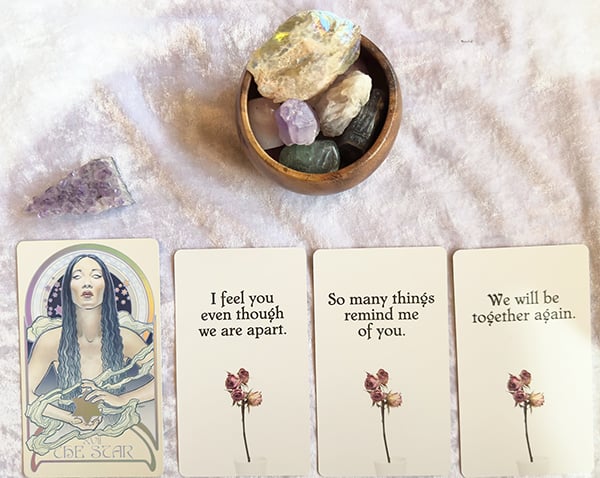
Sideways Tarot: A Twist on Tradition
Sideways Tarot introduces a playful yet challenging twist to standard interpretations. Instead of viewing cards as strictly upright or reversed, this method considers them “sideways”—tilted, ambiguous, or in a state of transition. A sideways card might represent a situation that’s neither here nor there, a moment of pause, or a challenge that requires a different perspective. For instance, the Page of Cups sideways could suggest emotional confusion or a message that’s not being fully received.
This approach invites you to ask: How does this card’s sideways position change its meaning? What new questions does it raise? It’s particularly useful for spreads focused on decision-making or unresolved situations, as it highlights the fluidity of life’s circumstances. Embrace the uncertainty—it’s where creativity and insight often reside.

Posing Playful Questions for Deeper Insight
Both Shadow and Sideways Tarot thrive when paired with imaginative questions. Instead of asking, “What will happen next?” try framing inquiries that spark curiosity and challenge your assumptions. For example:
- For Shadow Tarot: “What part of me is this card trying to silence?” or “What fear is hiding behind this card’s message?”
- For Sideways Tarot: “How is this card’s sideways energy affecting my current path?” or “What lesson is this tilted card offering in disguise?”
These questions push you beyond surface-level answers and encourage a dialogue with your intuition. The more playful and open-ended your queries, the richer your interpretations will become.
Introducing Potential Challenges
While Shadow and Sideways Tarot offer depth, they also present challenges. The most significant is the risk of overcomplicating readings. It’s easy to spiral into over-analysis or project personal biases onto the cards. To mitigate this, set clear intentions before a reading and remind yourself that not every card needs a deep dive—sometimes, a straightforward answer is just as valid.
Another challenge is emotional discomfort. Shadow Tarot, in particular, can dredge up suppressed emotions or fears. Approach these readings with self-compassion and consider grounding techniques, such as deep breathing or journaling, to process what arises. Remember, the goal isn’t to induce anxiety but to foster awareness and healing.

Practical Tips for Incorporating These Methods
Start small by experimenting with one or two cards in a spread using Shadow or Sideways interpretations. Notice how the meanings shift when you consider the card’s hidden or tilted aspects. Over time, you can integrate these methods into larger spreads or even dedicate entire readings to exploring the unconscious.
Pair your readings with creative outlets, like sketching the cards or writing poetry inspired by their sideways energy. This fusion of tarot and art can unlock new layers of understanding and make the process more engaging. Additionally, keep a journal to track your interpretations and reflect on how they evolve with your personal growth.
Conclusion
Shadow and Sideways Tarot are gateways to a more dynamic and introspective tarot practice. By embracing the unknown, posing playful questions, and confronting potential challenges, you transform readings from static predictions into living dialogues with your subconscious. These methods remind us that tarot is not just about answers but about the journey of discovery—one tilted card, one shadowy revelation at a time. As you continue to explore, let curiosity be your guide and intuition your compass.
FAQ
What is Shadow Tarot?
Shadow Tarot is a method that explores the unconscious aspects of our personality revealed by tarot cards, focusing on hidden truths and suppressed emotions.
How does Sideways Tarot differ from traditional readings?
Sideways Tarot considers cards in a tilted position, representing ambiguity and transition, encouraging readers to explore new perspectives.
Leave a Reply