Short Answer
This guide explores the profound and often misunderstood realm of Painful Demise Tarot, a theme that delves into the raw emotions and transformative power of endings. Whether you’re navigating personal loss, professional upheaval, or existential shifts, the Tarot can serve as a mirror to your pain—and a guide toward healing. Here, you’ll discover how to interpret cards that reflect grief, surrender, and rebirth, even in the darkest moments. By the end, you’ll have the tools to turn painful transitions into opportunities for growth, using the wisdom of the Tarot to illuminate your path forward.
The Essence of Painful Demise in Tarot
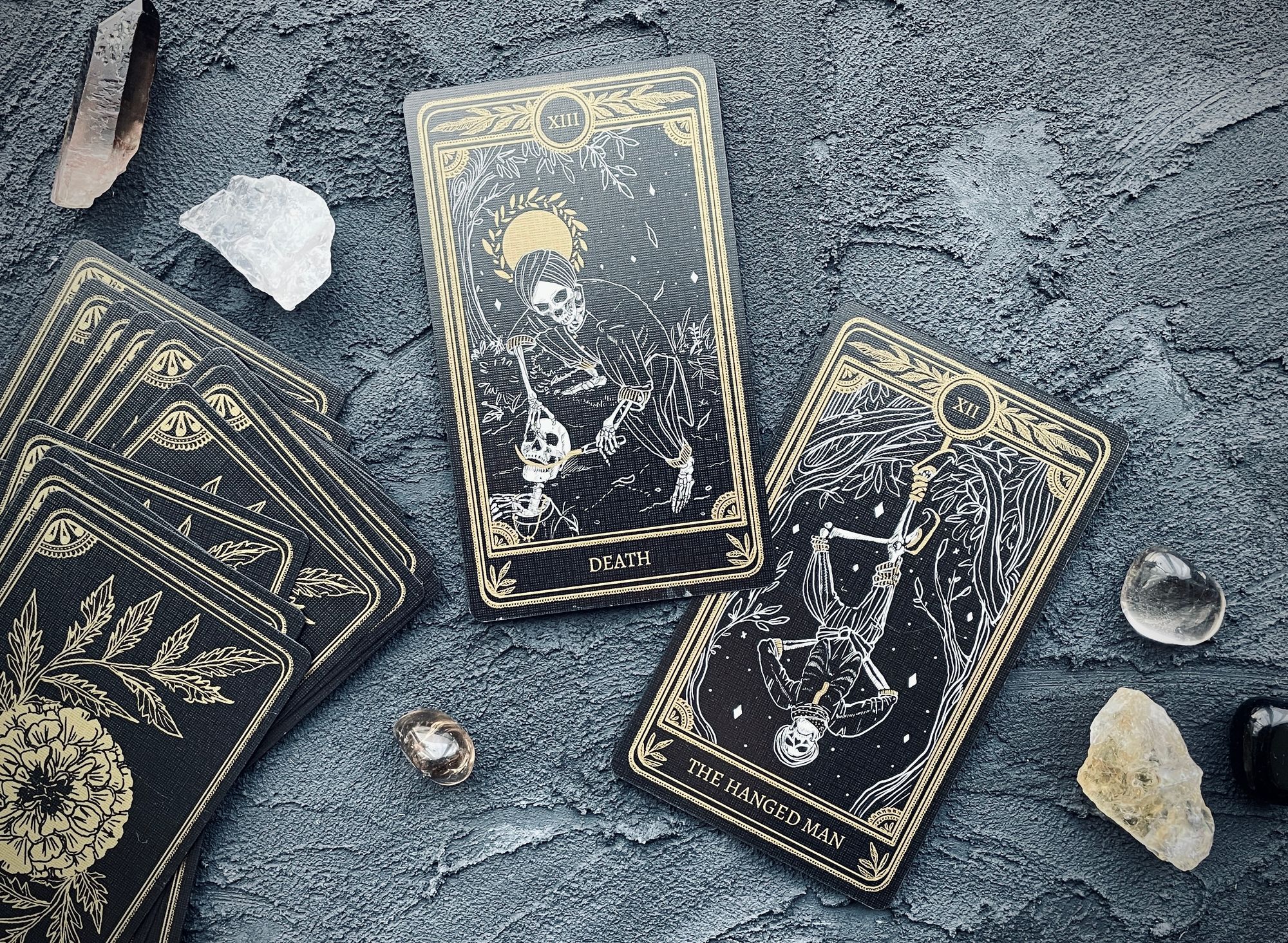
Painful Demise in Tarot isn’t just about literal death; it’s about the emotional and spiritual endings that shape us. The Death card, often feared, is the most misunderstood in the deck. It symbolizes transformation, the shedding of old skins, and the inevitable cycles of life. When drawn in a reading about demise, it signals a necessary end—one that, while painful, paves the way for renewal. This card doesn’t predict doom but rather invites you to embrace change, even when it feels unbearable.
Other cards, like the Three of Swords or the Tower, also embody painful demise. The Three of Swords depicts heartbreak and betrayal, while the Tower represents sudden upheaval and destruction. Together, these cards form a narrative of loss, but also of liberation. They remind you that endings, no matter how agonizing, are part of a larger journey toward wholeness.

Interpreting the Death Card: Beyond Fear
The Death card is the cornerstone of painful demise in Tarot. Its skeletal figure and rising sun often evoke dread, but its true message is one of rebirth. When this card appears in a reading, it’s asking you to release what no longer serves you—whether it’s a toxic relationship, a stagnant career, or a self-limiting belief. The pain of demise is the pain of growth; it’s the resistance to change that makes the process feel like a demise.
To interpret the Death card accurately, consider its position in the spread. In the past position, it may indicate a recent loss or transformation you’ve already endured. In the present, it could be highlighting a current situation that feels like an ending. In the future, it suggests a significant change on the horizon. Paired with other cards, like the Four of Cups (apathy) or the Five of Pentacles (hardship), the Death card’s message becomes clearer: what feels like an ending is actually a necessary step toward something new.
Grief and the Tarot: Honoring Your Pain
Grief is a natural response to painful demise, and the Tarot can help you navigate its depths. Cards like the Queen of Cups (emotional depth) and the Eight of Swords (feeling trapped) reflect the stages of grief—denial, anger, bargaining, depression, and acceptance. By pulling a card for each stage, you can track your emotional journey and find validation in your pain. The Tarot doesn’t rush healing; it holds space for it.
For those experiencing loss, the Ten of Swords can be particularly poignant. It depicts a figure lying on the ground with ten swords in their back, symbolizing a painful, final ending. Yet, the rising sun in the background reminds you that this is not the end of your story. The card encourages you to acknowledge your pain fully before moving forward. Rituals, such as lighting a candle or writing a letter to what you’ve lost, can complement your Tarot practice, making the process feel sacred.
Transforming Pain into Power: Practical Tarot Spreads
To harness the power of painful demise, try these Tarot spreads designed to illuminate your path through loss and into renewal:
- Spread 1: The Cycle of Endings and Beginnings
– Card 1: What needs to end?
– Card 2: How can I honor this ending?
– Card 3: What is emerging from this demise?
– Card 4: What support do I need to move forward? - Spread 2: The Grief Journey
– Card 1: Where am I in my grief?
– Card 2: What emotion is dominating me right now?
– Card 3: What lesson is this pain teaching me?
– Card 4: How can I nurture myself through this? - Spread 3: The Phoenix Spread
– Card 1: What is burning away in my life?
– Card 2: What ashes am I sitting in?
– Card 3: What strength am I discovering?
– Card 4: What new life is rising from this?
These spreads encourage you to sit with your pain, ask the hard questions, and ultimately, find meaning in the demise. The Tarot becomes a trusted companion, offering insights that words alone cannot provide.
Common Misconceptions About Painful Demise in Tarot
One of the biggest misconceptions is that the Tarot predicts literal death or disaster. In reality, the cards are tools for reflection, not fortune-telling. Painful demise in Tarot is about psychological and emotional endings—times when you must let go to grow. Another myth is that the Death card always signifies a negative outcome. On the contrary, it’s a card of immense power, signaling that what feels like an ending is actually a transition into something greater.
It’s also important to remember that painful demise isn’t linear. You may cycle through stages of grief multiple times, and that’s okay. The Tarot doesn’t demand you “get over” your pain quickly; it asks you to meet it with curiosity and compassion. By reframing demise as a necessary part of your journey, you can reduce the fear and resistance that often accompany it.
Conclusion
Painful Demise Tarot is a journey through the shadows of loss and into the light of transformation. It’s about recognizing that endings, no matter how painful, are not the end of your story—they’re the beginning of a new chapter. By working with the Death card and other symbols of demise, you can navigate grief with greater clarity and courage. The Tarot doesn’t promise an easy path, but it does offer a way to make sense of the pain and find meaning in the midst of it.
As you continue your practice, remember that painful demise is not something to fear but something to embrace. It’s the crucible in which your deepest strength is forged. Whether you’re pulling a single card for insight or diving deep with a full spread, the Tarot will be there to guide you through the darkness and into the dawn of your next beginning.
FAQ
What does the Death card symbolize in Tarot?
The Death card symbolizes transformation and the shedding of old skin, inviting you to embrace change rather than fear it.
How can Tarot help with grief?
Tarot can help navigate grief by providing insights into emotional stages and validating feelings through specific card interpretations.
What are some Tarot spreads for dealing with loss?
Spreads like ‘The Cycle of Endings and Beginnings’ or ‘The Grief Journey’ can help illuminate your path through loss and renewal.
Leave a Reply