Short Answer
In this comprehensive guide, you’ll discover everything you need to know about the Devil Tarot Card in Phasmophobia. Whether you’re a new ghost hunter or a seasoned investigator, understanding this card’s meaning can significantly improve your gameplay. You’ll learn about its effects during investigations, how it interacts with other cards, and strategies to counter its negative influence. By the end, you’ll be equipped to handle the Devil card with confidence and turn the tide in your favor during haunted encounters.
The Devil Card: Overview and Basic Meaning
The Devil Tarot Card in Phasmophobia is one of the most feared cards in the deck, often referred to as the “Curse Card.” Unlike other Tarot cards that provide clues or warnings, the Devil card actively hinders your progress by introducing supernatural obstacles. When drawn, it typically signals a period of increased ghost activity, making it harder to gather evidence or complete objectives. The card’s appearance often coincides with the ghost becoming more aggressive, using abilities like Flickering Lights, Throwing Objects, or even Possession more frequently.
Visually, the Devil card features a dark, ominous figure with clawed hands, reinforcing its theme of malevolence. In the game, its design is consistent with traditional Tarot imagery, but its effects are uniquely tailored to Phasmophobia’s mechanics. Understanding its role is crucial because ignoring its warning can lead to failed hunts or prolonged investigations.
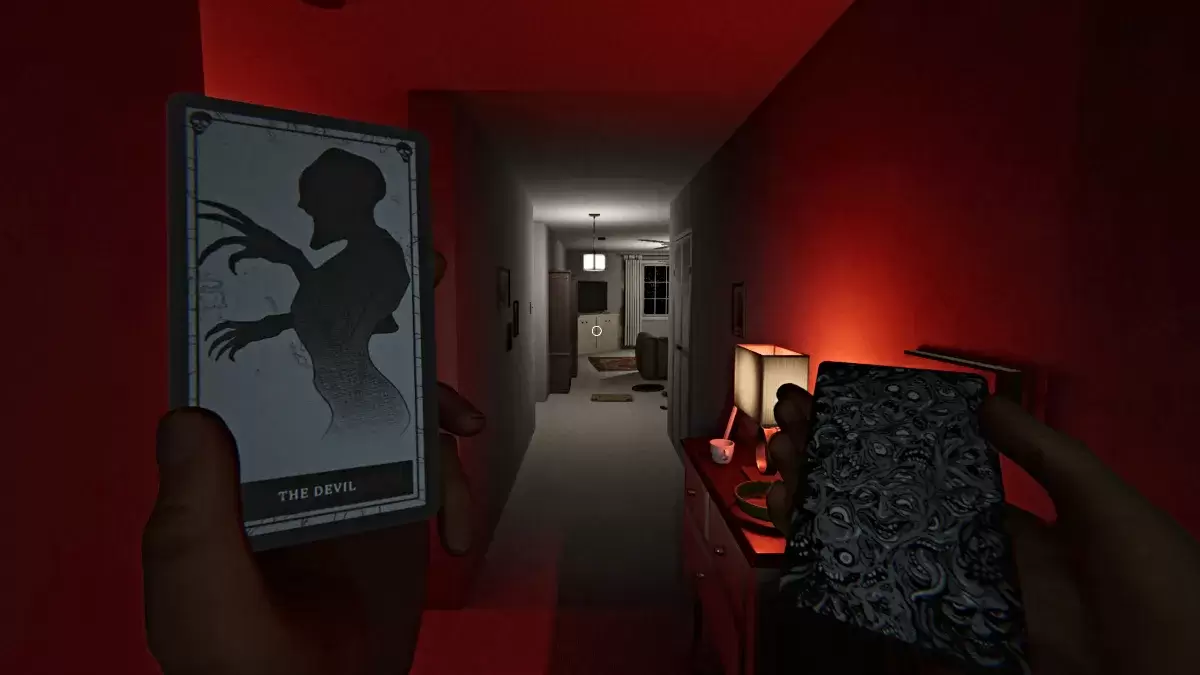
The Devil card’s primary function is to disrupt your investigation. It doesn’t just appear randomly; it’s often drawn after a series of other cards that hint at the ghost’s growing strength or aggression. For example, if you’ve already encountered the Ghost Writing or Fingerprints cards, the Devil card may follow as a sign that the ghost is escalating its efforts to evade capture.
How the Devil Card Affects Gameplay
When the Devil card is drawn, several gameplay elements are immediately impacted. The most noticeable change is the increase in ghost activity. The ghost may become more vocal, with more frequent EMF Level 5 readings, louder Footsteps, or even Whispers that are harder to decipher. Additionally, the ghost’s ability to interact with the environment intensifies. Doors may slam shut more often, objects could be thrown with greater force, and the D.O.T.S Projector may show more erratic behavior.
Another critical effect is the potential for the ghost to use its Possession ability more aggressively. If you’re playing with a teammate who is possessed, the Devil card increases the likelihood of the ghost causing disruptions like turning off lights, locking doors, or even triggering Sanity drops in nearby players. This makes it harder to stabilize the possessed player and complete the exorcism ritual.
In some cases, the Devil card can also interfere with your equipment. For instance, UV Flashlights may become less effective, or Motion Sensors could glitch, providing false readings. The card’s influence is designed to test your adaptability and teamwork, forcing you to rely on alternative methods to gather evidence or survive the encounter.
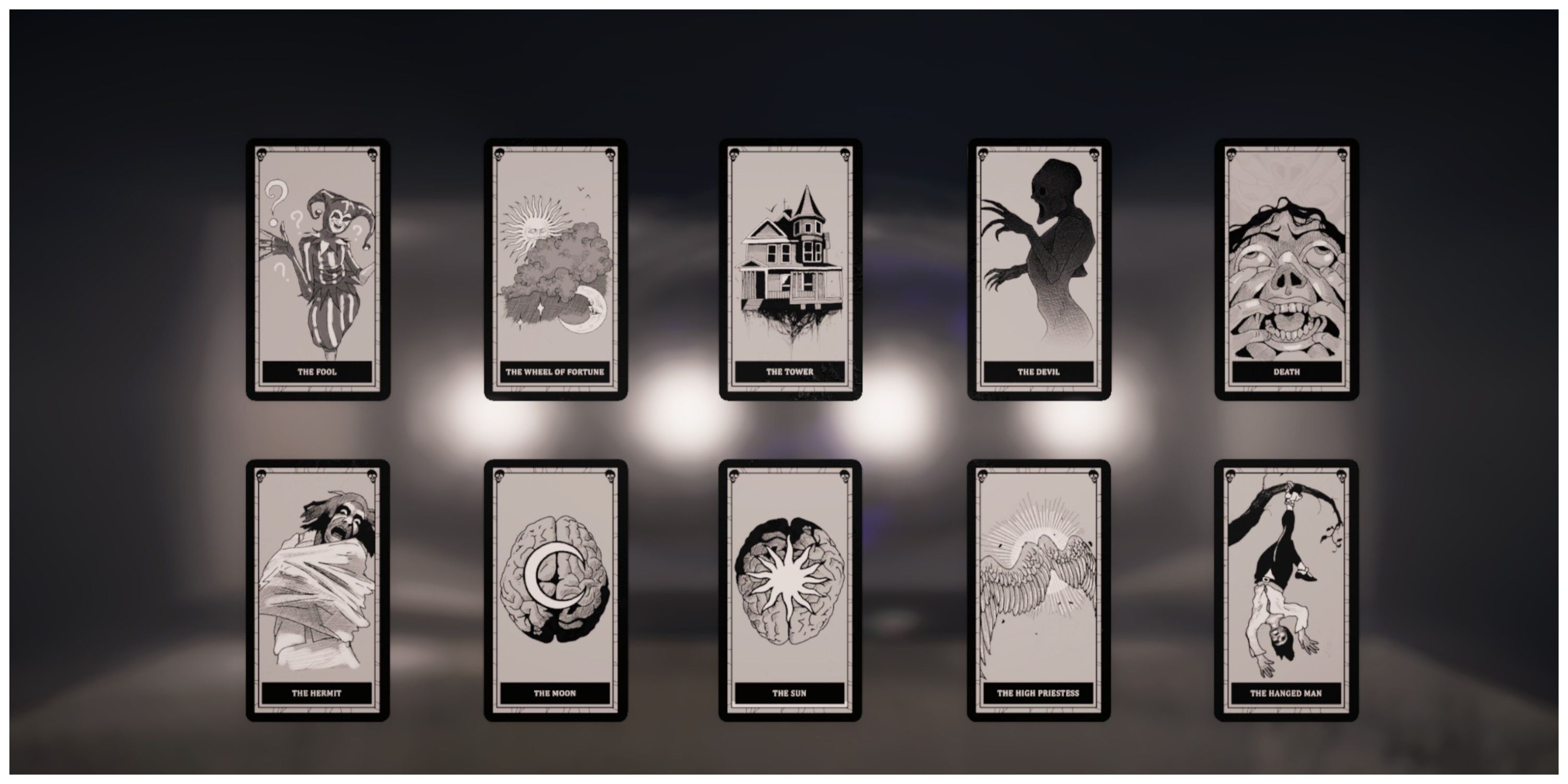
It’s also worth noting that the Devil card can appear at any stage of the investigation, but it’s most dangerous when drawn early. If you encounter it before gathering enough evidence, you may need to adjust your strategy, such as prioritizing Sanity management or focusing on non-evidence-based clues like Footsteps or Whispers.
Strategies to Counter the Devil Card’s Effects
Dealing with the Devil card requires a combination of preparation, quick thinking, and teamwork. One of the most effective strategies is to stabilize your Sanity levels as soon as possible. High sanity makes you less susceptible to the ghost’s tricks, such as sudden sanity drops or possession attempts. Use items like the Sanity Pills or Smudge Sticks to maintain your mental stability, especially if the Devil card has already been drawn.
Another key tactic is to focus on non-evidence-based clues. While the Devil card may disrupt your primary evidence-gathering tools, it doesn’t affect all methods equally. For example, Footsteps and Whispers are less likely to be interfered with, so use them to triangulate the ghost’s location. Additionally, pay close attention to environmental clues like Flickering Lights or Door Slams, as these can still provide valuable information.
If the ghost becomes overly aggressive, consider using the Smudge Stick to temporarily pacify it. This can buy you time to gather evidence or stabilize your team’s sanity. However, be mindful of the ghost’s cooldown periods, as using a Smudge Stick too frequently can lead to wasted resources. Alternatively, if you’re playing with a teammate who is possessed, prioritize getting them to a safe location before attempting an exorcism.
Team coordination is also essential when facing the Devil card. Assign roles based on each player’s strengths—some may focus on evidence gathering, while others manage sanity or handle the ghost’s physical interactions. Clear communication is key to avoiding chaos, especially when the ghost is at its most active.

Lastly, don’t panic if the Devil card appears. While it’s a significant challenge, it’s not an insurmountable one. Stay calm, adapt your strategy, and rely on the tools and knowledge you’ve gathered throughout the investigation. Remember, every ghost hunt is a learning experience, and overcoming the Devil card will make you a better ghost hunter.
The Devil Card and Other Tarot Cards: Interactions and Patterns
The Devil card doesn’t operate in isolation; it often interacts with other Tarot cards to create complex scenarios. For example, if the Omen Card (which increases ghost activity) appears before the Devil card, the effects are compounded, leading to an even more chaotic investigation. Similarly, if the Blessing Card is drawn afterward, it can mitigate some of the Devil card’s negative effects, such as reducing the ghost’s aggression or restoring some sanity.
Understanding these interactions can help you predict the ghost’s behavior and prepare accordingly. For instance, if you draw the Omen Card followed by the Devil card, you can anticipate a surge in ghost activity and adjust your strategy early. Conversely, if the Blessing Card appears after the Devil card, it’s a sign that the tide is turning in your favor, and you can focus on finishing the investigation.
Some players also look for patterns in the Tarot deck to identify the ghost’s type or behavior. For example, a sequence of cards like the Omen, Devil, and Blessing might indicate a particularly aggressive ghost that requires a more cautious approach. By studying these patterns, you can develop a deeper understanding of the game’s mechanics and improve your chances of success.
It’s also worth noting that the Devil card can sometimes be a red herring. In rare cases, the ghost may not be as active as the card suggests, or the effects may be short-lived. Always cross-reference the Devil card’s warnings with other evidence before making drastic changes to your strategy. For example, if the ghost hasn’t thrown any objects despite the Devil card being drawn, it might be a sign that the card’s effects are minimal in this particular investigation.
Common Mistakes to Avoid When Facing the Devil Card
One of the most common mistakes players make when encountering the Devil card is ignoring it entirely. While it’s tempting to focus on gathering evidence, dismissing the card’s warning can lead to disastrous consequences. Always take the Devil card seriously and adjust your strategy accordingly. This might mean prioritizing sanity management, avoiding certain rooms, or preparing for increased ghost activity.
Another mistake is overreacting to the Devil card’s effects. While it’s important to stay alert, panicking can lead to poor decision-making. For example, if the ghost starts throwing objects more frequently, don’t rush to every noise you hear—instead, use your Motion Sensors or EMF Reader to confirm the ghost’s location before investigating. Overreacting can waste time and resources, making the investigation even harder.
Players also often underestimate the importance of teamwork when facing the Devil card. If one player is overwhelmed by the ghost’s activity, it’s crucial for teammates to step in and assist. Whether it’s helping to stabilize sanity, providing backup during a possession, or simply offering moral support, working together is key to overcoming the Devil card’s challenges.
A final mistake to avoid is relying too heavily on a single piece of evidence. If the Devil card disrupts your primary evidence-gathering tool, such as the UV Flashlight or EMF Reader, don’t get stuck trying to force it to work. Instead, switch to alternative methods, like listening for Whispers or tracking Footsteps. Flexibility is essential when dealing with the Devil card’s unpredictable effects.
Conclusion
The Devil Tarot Card in Phasmophobia is a formidable challenge that tests your adaptability, teamwork, and strategic thinking. By understanding its effects, preparing for its disruptions, and knowing how to counter its influence, you can turn a potentially disastrous encounter into a successful ghost hunt. Remember to stabilize your sanity, focus on alternative evidence, and stay calm under pressure. The Devil card may be a curse, but with the right approach, it can also be an opportunity to prove your skills as a ghost hunter.
As you continue to play Phasmophobia, keep these strategies in mind and don’t be discouraged by the Devil card’s challenges. Every investigation is a chance to learn and improve, and overcoming this card will make you a more experienced and confident player. Happy hunting!
FAQ
What is the Devil Tarot Card in Phasmophobia?
The Devil Tarot Card is a curse card in Phasmophobia that increases ghost activity and makes investigations more difficult by introducing supernatural obstacles.
How does the Devil card affect gameplay in Phasmophobia?
It increases ghost aggression, causes more frequent supernatural events like possession and object throwing, and can disrupt equipment like UV flashlights and motion sensors.
What strategies help counter the Devil card's effects?
Maintaining high sanity, focusing on non-evidence-based clues such as footsteps and whispers, using smudge sticks to pacify the ghost, and strong team coordination are effective strategies.
Can the Devil card interact with other Tarot cards?
Yes, it often appears in sequences with other cards like the Omen and Blessing cards, which can compound or mitigate its effects respectively.
What common mistakes should be avoided when facing the Devil card?
Ignoring the card’s warning or overreacting and panicking are common mistakes. Players should adjust their strategy calmly and take the card seriously.
Leave a Reply