Short Answer
This guide explores the timeless dynamic of the devil and fool together, delving into themes of temptation, risk, and the consequences of their interplay. You’ll discover how these archetypes manifest in literature, art, psychology, and modern culture, along with practical insights into recognizing and navigating their influence in your own life. Whether you’re interested in symbolic representations, behavioral patterns, or real-world applications, this comprehensive breakdown will equip you with a deeper understanding of how temptation and risk shape decisions, relationships, and personal growth.
The Devil and Fool Archetype: Origins and Symbolism
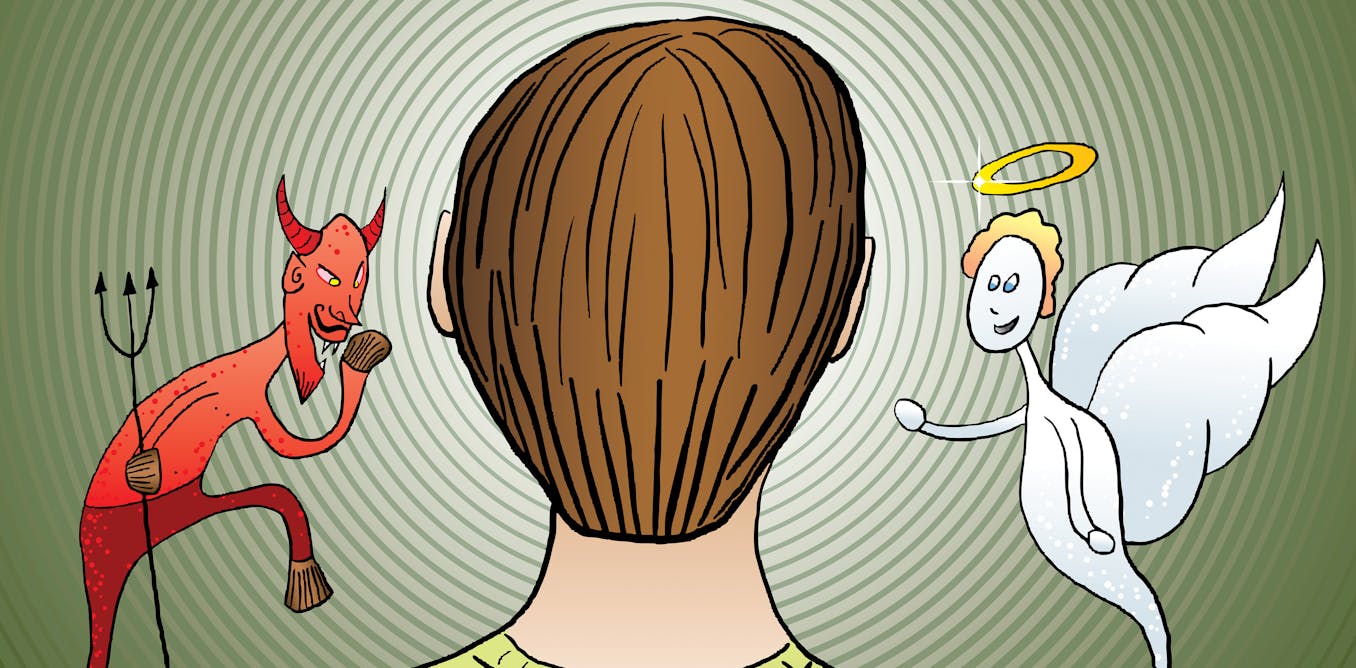
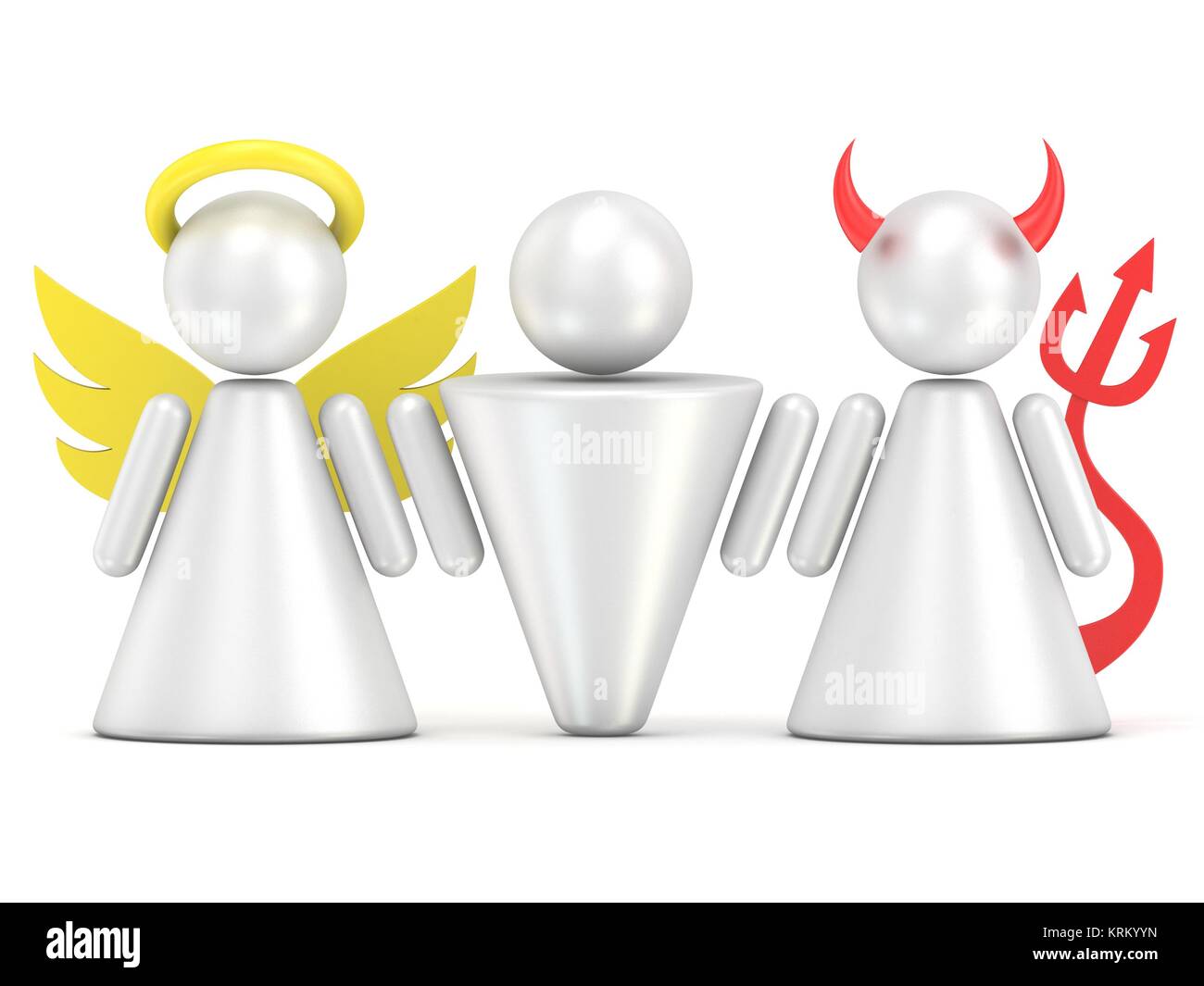
The pairing of the devil and fool is a powerful symbolic duo found across cultures, religions, and philosophical traditions. The devil often represents temptation, moral corruption, or the darker aspects of human nature—those impulses that lead individuals astray from reason or virtue. In contrast, the fool embodies naivety, impulsivity, or a lack of foresight, making them vulnerable to the devil’s schemes. Together, they form a narrative that warns against reckless decisions driven by short-term desires over long-term consequences.
In Christian theology, the devil is the tempter, as seen in the biblical story of Adam and Eve, where the serpent (often associated with the devil) convinces Eve to eat the forbidden fruit. The fool, in this context, is humanity itself—easily swayed by immediate gratification despite knowing the risks. Similarly, in medieval morality plays, the fool (or “everyman”) is often depicted as a character who succumbs to the devil’s temptations, leading to their downfall. This archetype serves as a cautionary tale about the dangers of unchecked desire and poor judgment.

Temptation in Literature and Mythology
Literature and mythology are rife with stories that explore the devil-fool dynamic, often using it to highlight themes of hubris, greed, or moral decay. One of the most famous examples is Goethe’s Faust, where the protagonist, Dr. Faustus, makes a pact with Mephistopheles (the devil) in exchange for unlimited knowledge and worldly pleasures. Faust’s initial naivety and ambition blind him to the true cost of his desires, mirroring the fool’s role in the archetype. His eventual downfall serves as a stark reminder of the risks of unchecked ambition and the allure of temptation.
In Greek mythology, the story of Pandora’s box encapsulates a similar theme. Pandora, the first woman, is given a box (or jar) and instructed not to open it. Her curiosity—an embodiment of foolishness—leads her to release all the evils of the world, leaving only hope trapped inside. Here, Pandora’s impulsivity (the fool) and the unknown forces she unleashes (the devil) create a catastrophic outcome. These narratives underscore how temptation and risk are intertwined, often leading to irreversible consequences when foolishness prevails.
The Psychology Behind Temptation and Risk-Taking
From a psychological perspective, the devil-fool dynamic can be understood through the lens of cognitive biases and emotional decision-making. The devil represents the limbic system—the primal, emotional part of the brain that seeks immediate rewards, such as pleasure, power, or escape from discomfort. The fool, on the other hand, embodies cognitive biases like overconfidence, present bias (prioritizing short-term gains over long-term benefits), and the illusion of control. Together, these forces create a potent mix that often leads to poor choices.
Research in behavioral psychology shows that humans are wired to prioritize immediate rewards, a trait that can be traced back to our evolutionary past. For example, the marshmallow test, conducted by Walter Mischel in the 1960s, demonstrated how children who could delay gratification (resist the temptation of a single marshmallow now for two later) tended to have better life outcomes. Those who succumbed to immediate temptation (the fool) often struggled with self-control later in life. This highlights how the devil-fool dynamic isn’t just a moral tale but a reflection of fundamental human psychology.
Modern Manifestations: Pop Culture and Media
In contemporary media, the devil-fool dynamic is a recurring motif, often used to explore themes of addiction, corporate greed, or personal downfall. Films like The Wolf of Wall Street depict characters who embody both the devil (as the embodiment of excess and corruption) and the fool (as someone blinded by ambition and hedonism). Similarly, TV shows like Breaking Bad use this archetype to illustrate how Walter White’s initial naivety and desire for control lead him down a path of moral decay and risk-taking that spirals out of control.
Video games also leverage this dynamic, often casting players as the fool who must resist the devil’s temptations to achieve their goals. For example, in Devil May Cry, the protagonist Dante is a reckless, hedonistic “fool” who must learn discipline and strategy to overcome the devilish forces opposing him. These modern interpretations adapt the classic archetype to reflect contemporary issues, such as the allure of social media fame, financial speculation, or the pursuit of instant gratification in a digital age.
Recognizing the Devil and Fool in Everyday Life
Understanding the devil-fool dynamic isn’t just an academic exercise—it’s a practical tool for navigating real-life decisions. The devil often appears in the form of impulsive desires: the urge to spend money you don’t have, the temptation to procrastinate on important tasks, or the allure of toxic relationships. The fool, in turn, is the part of you that rationalizes these impulses, convincing you that “this time will be different” or that the consequences won’t be as severe as they seem.
To counteract this dynamic, it’s essential to cultivate self-awareness and critical thinking. Ask yourself: What is the devil tempting me with, and what am I ignoring in the process? For example, if you’re tempted to skip a workout for a night out, the devil might be offering short-term pleasure, while the fool is ignoring the long-term benefits of health and discipline. Techniques like the 10-10-10 rule (asking how you’ll feel about a decision in 10 minutes, 10 months, and 10 years) can help you see beyond immediate gratification and make more balanced choices.
Mitigating Risk: Strategies for Overcoming Temptation
Overcoming the devil-fool dynamic requires a combination of self-discipline, external accountability, and environmental design. One effective strategy is to create “temptation bundling,” where you pair a task you’re avoiding with something you enjoy. For example, if you struggle to focus on work, you might allow yourself to listen to a favorite podcast only while working. This leverages the brain’s reward system to make the virtuous choice more appealing.
Another approach is to implement pre-commitment devices, which restrict your future choices to prevent impulsive decisions. For instance, setting up automatic savings transfers or using website blockers for distracting sites can help you resist the devil’s pull. Additionally, surrounding yourself with a support network—friends, mentors, or accountability partners—can provide the external perspective needed to counteract foolishness. These strategies don’t eliminate temptation but create structures that make it easier to choose wisely.
Conclusion
The devil and fool together represent a universal struggle between desire and wisdom, risk and consequence. Whether explored in ancient myths, modern media, or personal decision-making, this dynamic serves as a reminder of the importance of balance, foresight, and self-control. By recognizing the roles these archetypes play in your life, you can develop strategies to navigate temptation more effectively and make choices that align with your long-term goals. Ultimately, the goal isn’t to eliminate the devil or fool within you but to understand their influence and harness it in a way that serves your growth rather than undermines it.
FAQ
What is the significance of the devil and fool together?
They represent a cautionary tale about temptation and naivety leading to poor decisions and risks.
Where do the devil and fool archetypes originate?
They have roots in Christian theology, medieval morality plays, and various mythologies.
How are these archetypes used in tarot?
In tarot, The Devil warns of temptation and bondage, while The Fool symbolizes new beginnings and innocence; together they highlight risky choices.
How can understanding this dynamic improve personal decision-making?
By recognizing impulsive urges and cognitive biases, individuals can implement strategies to resist temptation and make wiser choices.
Leave a Reply